Blog
-
Geiger Readings for February 03, 2014
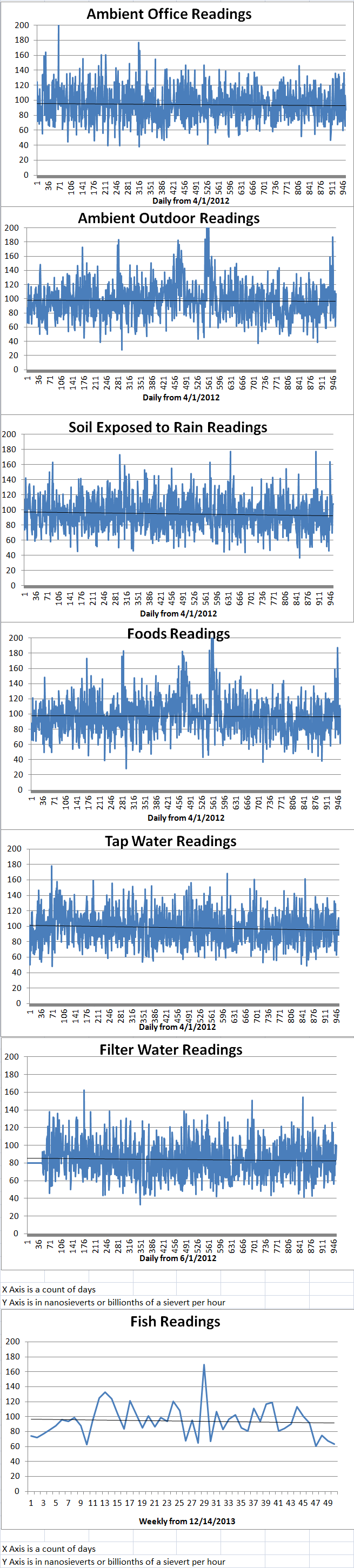
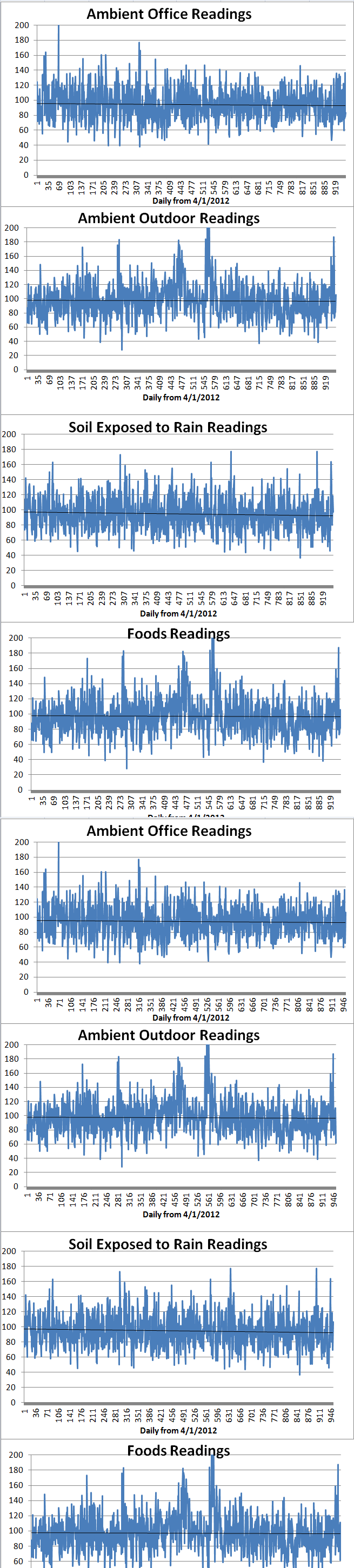
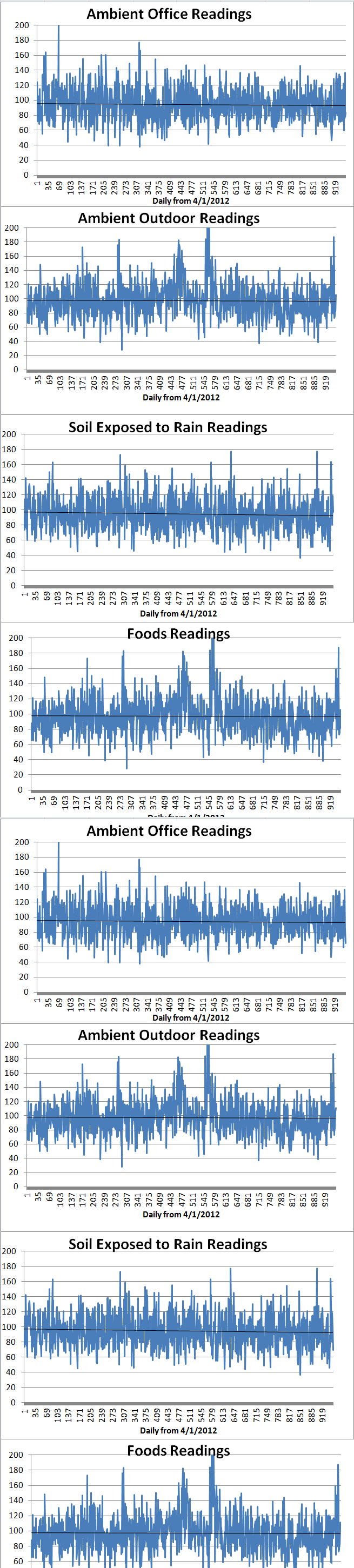
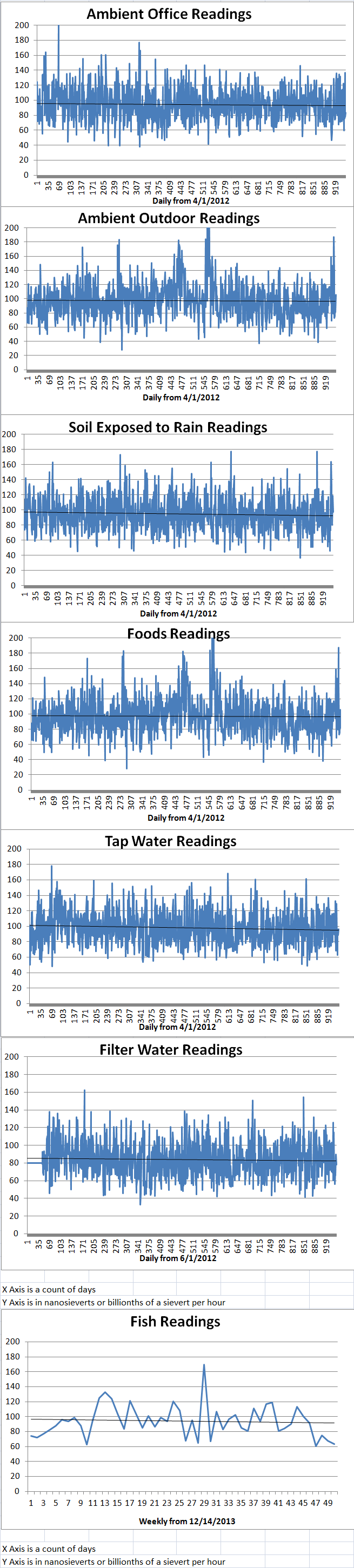
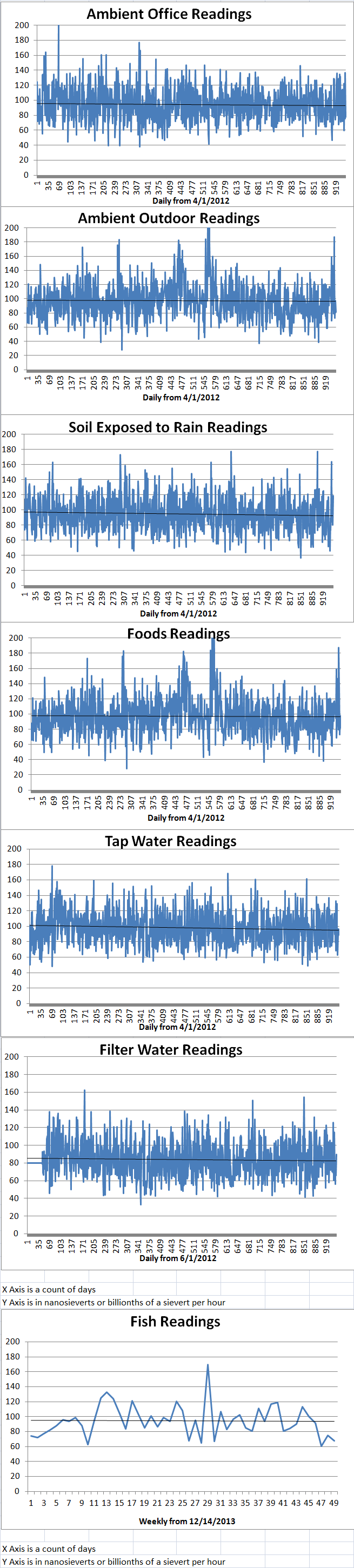
Ambient office = 87 nanosieverts per hourAmbient outside = 94 nanosieverts per hourSoil exposed to rain water = 108 nanosieverts per hourBanana from Central Market = 107 nanosieverts per hourTap water = 111 nanosieverts per hourFiltered water = 100 nanosieverts per hour -
Nuclear Reactors 205 – India Does Not Have An Independent Nuclear Regulatory Agency
India is moving forward with plans to build more nuclear reactors to supply power for their energy starved nation. Russia announced that they were in discussion to build twenty new reactors in India. The U.S. President just returned from a trip to India where he discussed one hundred and fifty eight billion dollars worth of nuclear reactor business for U.S. nuclear technology companies. I expressed my concern about the possibility of corruption leading to poor reactor construction and lax governmental regulation.
There are many critics of nuclear power in India and now a Parliamentary committee has issued a report that says that “India’s nuclear safety regime is fraught with grave risks because the country’s nuclear regulator was weak, under-resourced and slow in adopting international benchmarks and good practices in the areas of nuclear and radiation operation”. The bipartisan Public Accounts Committee eighty one page report was called “scathing.” It was highly critical of the fact that after decades of delays, India still does not have an independent nuclear regulatory agency.
Australia refused to sell any of its huge reserves of uranium to India for years until the Gillard government authorized sales recently. India and Australia are currently discussing a nuclear safeguards agreement. Australia will only sell uranium for peaceful purposes and it has strict tracking rules for nuclear materials that are more stringent than the requirements of the International Atomic Energy Agency.
It is estimated that India currently has about a hundred nuclear warheads. India has refused to sign the international nuclear Non-Proliferation Treaty because it says that the treaty is discriminatory to new nuclear states. India insists that it needs to have these nuclear weapons because its neighbour and enemy Pakistan has nuclear weapons. During the recent visit by the U.S. President, the U.S. requirement for strict tacking of nuclear materials and technology was dropped in order to advance negotiations.
The committee report pointed out that India’s Atomic Energy Regulatory Board (AERB) is a government agency and not an independent statutory body. The report said that “although AERB maintains liaison with international nuclear organisations, it has been slow in adopting international benchmarks and good practices in the areas of nuclear and radiation operation.” The AERB cannot set or enforce regulations governing radiation and nuclear safety. Currently, in many areas, there are no such regulations at all. The AERB was charged with developing such regulations by the Indian government in 1983 but has still not accomplished the task.
The report flatly stated that India was just not prepared to deal with a nuclear emergency. “Off-site emergency exercises carried out highlighted inadequate emergency preparedness even for situations where the radiological effects of an emergency origination from nuclear power plants are likely to extend beyond the site and affect the people around.” The maximum fine that the AERB can impose for infractions of what regulations do exist is about nine dollars.
India’s auditor-general discovered last year that sixty percent of regulatory inspections for India’s fleet of exiting nuclear power reactors were delayed for months or not carried out at all. With respect to nuclear plants under construction, delayed or absent inspections were about sixty six percent.
The Indian government remains strongly committed to nuclear power. It will be interesting to see what happens to public support when India has its first serious nuclear accident.
-
Geiger Readings for February 02, 2014
Ambient office = 106 nanosieverts per hourAmbient outside = 114 nanosieverts per hourSoil exposed to rain water = 106 nanosieverts per hourIceberg lettuce from Central Market = 62 nanosieverts per hourTap water = 89 nanosieverts per hourFiltered water = 84 nanosieverts per hour -
Geiger Readings for February 01, 2014
Ambient office = 65 nanosieverts per hourAmbient outside = 73 nanosieverts per hourSoil exposed to rain water = 70 nanosieverts per hourBanana from Central Market = 111 nanosieverts per hourTap water = 108 nanosieverts per hourFiltered water = 101 nanosieverts per hour -
Radiation News Roundup January 31, 2014
-
Geiger Readings for January 31, 2014
Ambient office = 84 nanosieverts per hourAmbient outside = 80 nanosieverts per hourSoil exposed to rain water = 97 nanosieverts per hourRomaine from Central Market = 106 nanosieverts per hourTap water = 95 nanosieverts per hourFiltered water = 78 nanosieverts per hourDover Sole – Caught in USA = 64 nanosieverts per hour -
Nuclear Reactors 204 – Jordan Looks To Nuclear Power For Future Electricity
There is great concern among the nations that have nuclear weapons about other nations obtaining them. There are international treaties that exist for the purpose of insuring that signatory nations do nothing that could result in the proliferation of nuclear weapons. The United States has bilateral treaties for civil use of nuclear power which include a clause about the enrichment of uranium into a concentrated form that would be suitable for use in a nuclear warhead. This issue has been in the news lately because of the fear that Iran may develop nuclear weapons.
The U.S. and the Middle Eastern nation of Jordan have been talking about nuclear cooperation for years. These discussion became especially relevant in 2011 when the Egyptian revolution led to the repeated destruction of the Sinai natural gas pipeline which had been Jordan’s most consistent source of energy. In 2012, energy disruptions cost Jordan a twenty percent budget deficit. Since then, Jordan has been very interested in nuclear power. They would like to see the construction of two one gigawatt nuclear power plants. They have express the intent to be getting at least thirty percent of their electricity from nuclear reactors by 2030.
Jordan insists that it has the right to enrich uranium but the U.S. wants them to forego that right in return for U.S. cooperation in the Jordanian nuclear program. Jordan has no oil but they do have deposits of uranium that may contain as much as thirty five thousand tons. This could provide Jordan with all the electricity that it needs for a hundred years. Jordan also has plans to mine and sell uranium on the world market.
One of the planned reactor sites is in the Jordan River Valley which contains a major earthquake fault line. Israel raised concerns about this site with Jordanian officials in a meeting in 2009. It is ironic that the Jordanians at the meeting pointed out that Japan has a lot of earthquakes but that it has been able to build and safely operate fifty nuclear reactors. Two year later, the Fukushima disaster called into question the wisdom of locating nuclear reactors near fault lines.
One of Jordan’s propose nuclear plant sites is in the tribal lands of the Bani Sakr, Jordan’s largest tribe. A member of the Jordanian Parliament is from that tribe and a staunch opponent of nuclear power. One of the questions that she raises has to do with the availability of huge amounts of cooling water for the propose nuclear plant. Jordan has serious problems with accessing sufficient water. She also questioned whether or not Jordan has enough nuclear technicians to safely operate such a plant. The cost of the plant is another issue of contention with the ten billion dollar estimated cost almost equal to the entire annual budget of Jordan.
Supporters of Jordanian nuclear power dismiss concerns over water. They say that they will use waste water from a nearby waste treatment plant for one site. Another proposed site could get water from the Red Sea after it had been pumped to the site and desalinated. A research reactor is being built by a Korean consortium and Jordanian university programs will provide nuclear technicians. With respect to finances, Russia, the country that is going to build the Jordanian reactors, will provide funds for a forty nine point nine percent share.
The geopolitical situation in Jordan will play a role in their ultimate decision of whether or not to actually build the proposed nuclear reactors. In spite of their desperate need for power, Jordan has serious financial problems. Refugees from the conflict in Syria are flooding into Jordan. In addition, there is a concern that if the Syrian conflict spills over into Jordan, there could be serious dangers of intentional or accidental destruction of nuclear power plants endangering the Jordanian people. Jordan should invest in solar power and forget about nuclear power.
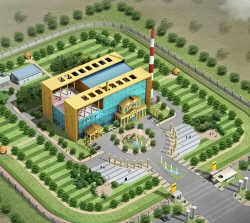
Artist’s concept of Jordanian research reactor:

-
Geiger Readings for January 30, 2014
Ambient office = 137 nanosieverts per hourAmbient outside = 78 nanosieverts per hourSoil exposed to rain water = 80 nanosieverts per hourBanana from Central Market = 98 nanosieverts per hourTap water = 89 nanosieverts per hourFiltered water = 66 nanosieverts per hour