
Blog
-
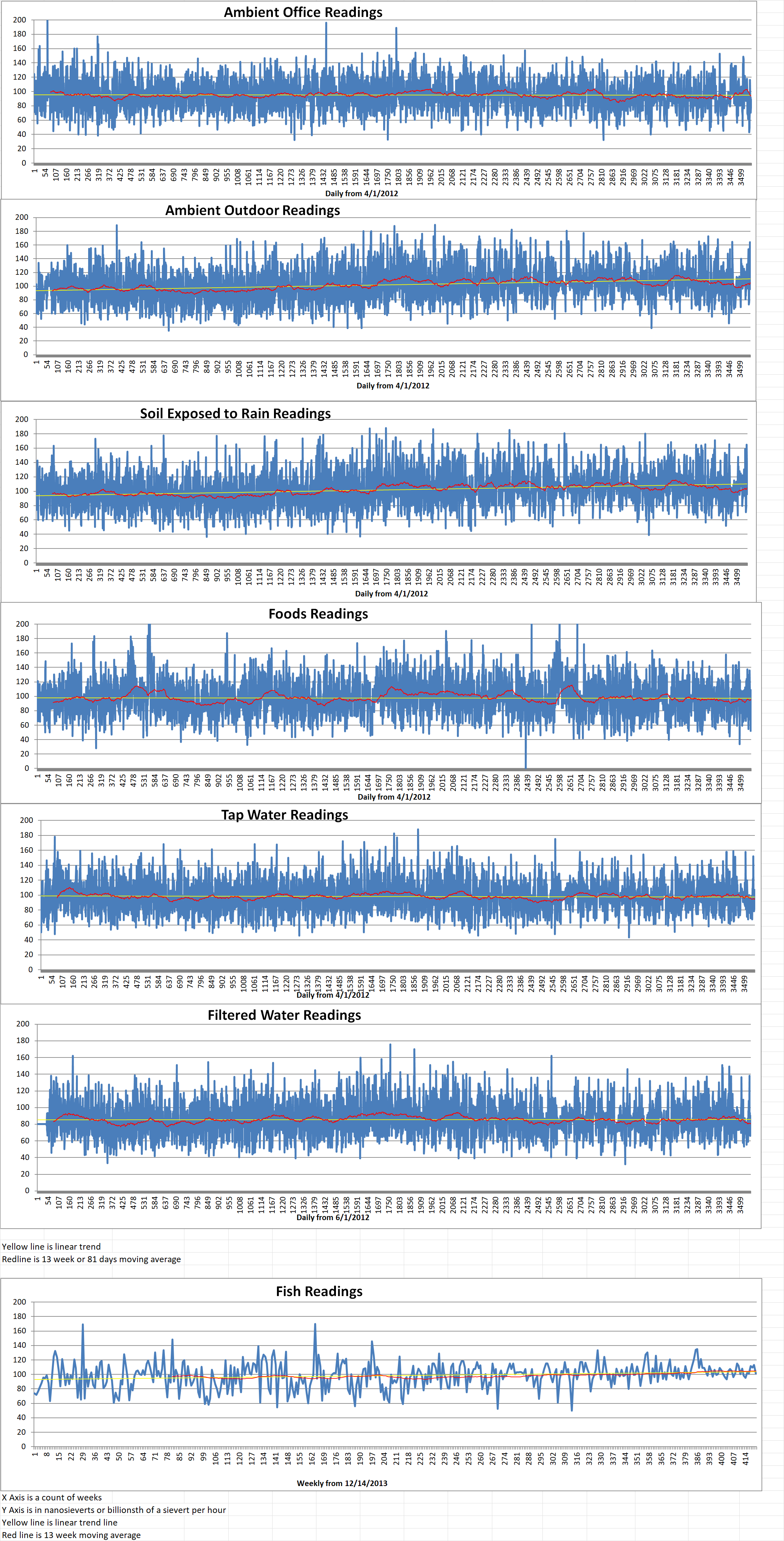
Geiger Readings for Mar 22, 2022
Ambient office = 77 nanosieverts per hour
Ambient outside = 100 nanosieverts per hour
Soil exposed to rain water = 99 nanosieverts per hour
Avocado from Central Market = 939 nanosieverts per hour
Tap water = 80 nanosieverts per hour
Filter water = 67 nanosieverts per hour
-

Nuclear Fusion 171 – First Light Fusion In The UK Using Two Stage Gas Gun To Achieve Fusion
First Light Fusion is a laboratory based in Oxford, UK that aims to create clean energy using fusion technology. They have just installed the U.K.’s biggest ‘Two-Stage Hyper-Velocity Gas Gun’ in their effort to develop a simpler, faster, and cheaper route to commercial fusion energy. The laboratory’s new seventy-two feet one and a half million dollar hyper velocity gas gun can fire a projectile at seven and a half miles per second or twenty times the speed of sound. Six and a half pounds of gunpowder are required to fire the gun.
First light has successfully fired first test shots. Experimental fusion shots are scheduled to start in June. The new gun will complement First Lights electromagnetic propulsion device ‘Machine 3’ to advance its projectile fusion technology.
The gas gun operates by converting the energy released from an ignited propellant into the compression of a light gas such as hydrogen. This process creates gas pressures about ten thousand times sea level atmospheric pressure which then launches the projectile.
When the gun is fired, it will launch a projectile into a vacuum chamber with enormous speed which then impacts a fusion target. The target is the centerpiece of First Light’s unique technology. That impact should create the conditions required for fusion.
These ‘hyper velocity’ devices are typically utilized by astrophysicists to simulate meteorite impacts in space. A similar gun was used to test the panels on the International Space Station to ensure that it could withstand impacts from small object traveling at huge speeds.
The gun will be used in parallel with First Light’s ‘Machine 3’. This will allow the engineers to explore a different parameter space by launching larger but ‘slower’ projectiles. It will be housed in a specifically constructed four-inch steel clad facility inside First Light’s headquarters in Oxford, referred to as ‘The Citadel’.
Dr. Nick Hawker is the CEO of First Light Fusion. He said, “This new gun is an important piece of kit for First Light Fusion and will help us accelerate our development timeline. It will complement the work we are doing with our unique electromagnetic launch pulsed power machine, Machine 3.”
“Our fusion technology is driven by the impact of a projectile travelling at significant speed into a fusion target. These targets trade pressure and size, amplifying the pressure from initial impact to final collapse of the fuel capsule, which is a small part of the whole target.”
“This new gun will deliver lower pressure than Machine 3, so we will have to rely on designs that amplify more. The larger size means we can do this and still get good performance.”
“With both facilities together, we can make more than twice as much progress on the most important aspect of our technology, which is the target. Thank you to everyone for their efforts in bringing this project together so quickly, it has been a fantastic team effort once again.”
The two-stage gas gun project took only ten months from concept design to the delivery of a fully operation test facility. First Light has remarked that this shows the great focus and effectiveness of their team. -
Nuclear News Roundup Mar 21, 2022
-
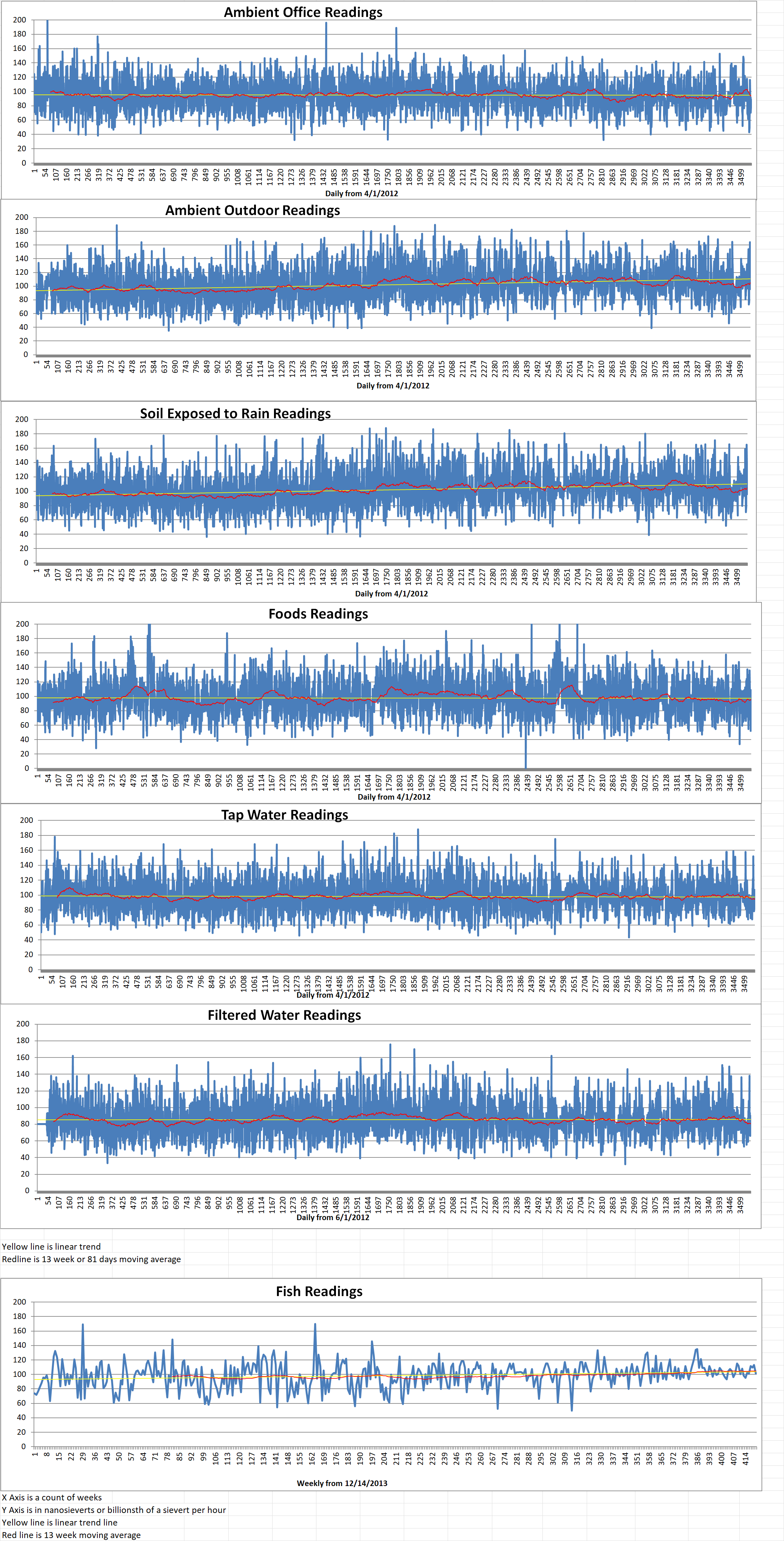
Geiger Readings for Mar 21, 2022
Ambient office = 85 nanosieverts per hour
Ambient outside = 96 nanosieverts per hour
Soil exposed to rain water = 96 nanosieverts per hour
Tomato from Central Market = 99 nanosieverts per hour
Tap water = 104 nanosieverts per hour
Filter water = 90 nanosieverts per hour
-
Nuclear News Roundup Mar 20, 2022
Canadian government invests in third SMR technology world-nuclear-news.org
Over 50 House Republicans back Banks’ resolution opposing Iran nuclear deal amid Russia-Ukraine war foxnews.com
Fate of Radioactive Waste at Plymouth Nuclear Site Continues to Raise Concerns nbcboston.com
Russia backs down on demands in Iran nuclear deal talks, making revival of 2015 pact imminent cnbc.com
-
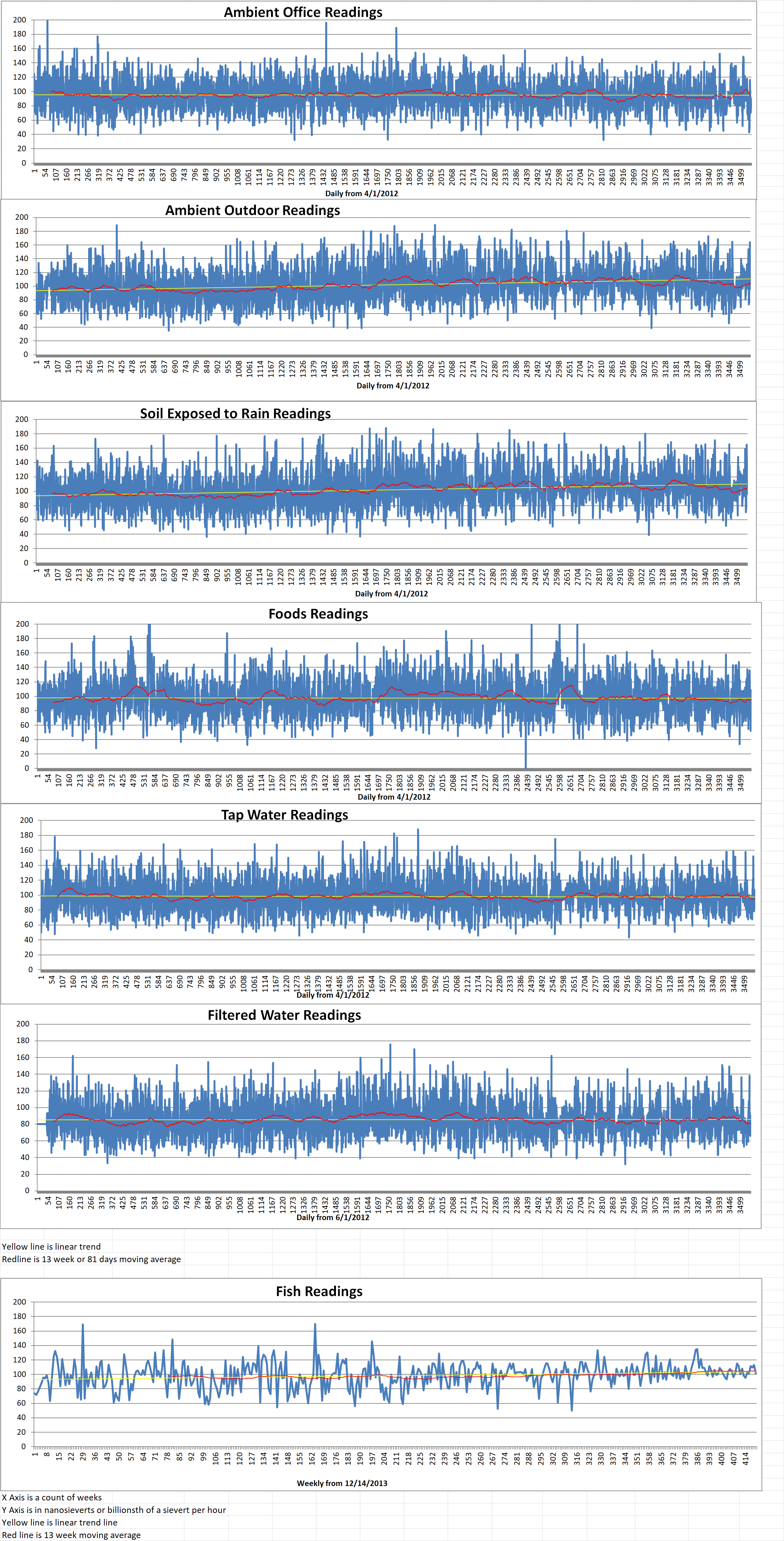
Geiger Readings for Mar 20, 2022
Ambient office = 89 nanosieverts per hour
Ambient outside = 122 nanosieverts per hour
Soil exposed to rain water = 122 nanosieverts per hour
Ramaine lettuce from Central Market = 87 nanosieverts per hour
Tap water = 107 nanosieverts per hour
Filter water = 88 nanosieverts per hour
-
Nuclear News Roundup Mar 19, 2022
Ex-Hiroshima mayor urges Putin not to use nuclear weapons in Ukraine English.kyodonews.net
Belgium on Verge of Delaying 2025 Nuclear Power Exit usnews.com
IAEA continues efforts for a safety framework for Ukraine world-nuclear-news.org
RPI awarded $600K to develop tech to reduce nuclear waste news10.com
-
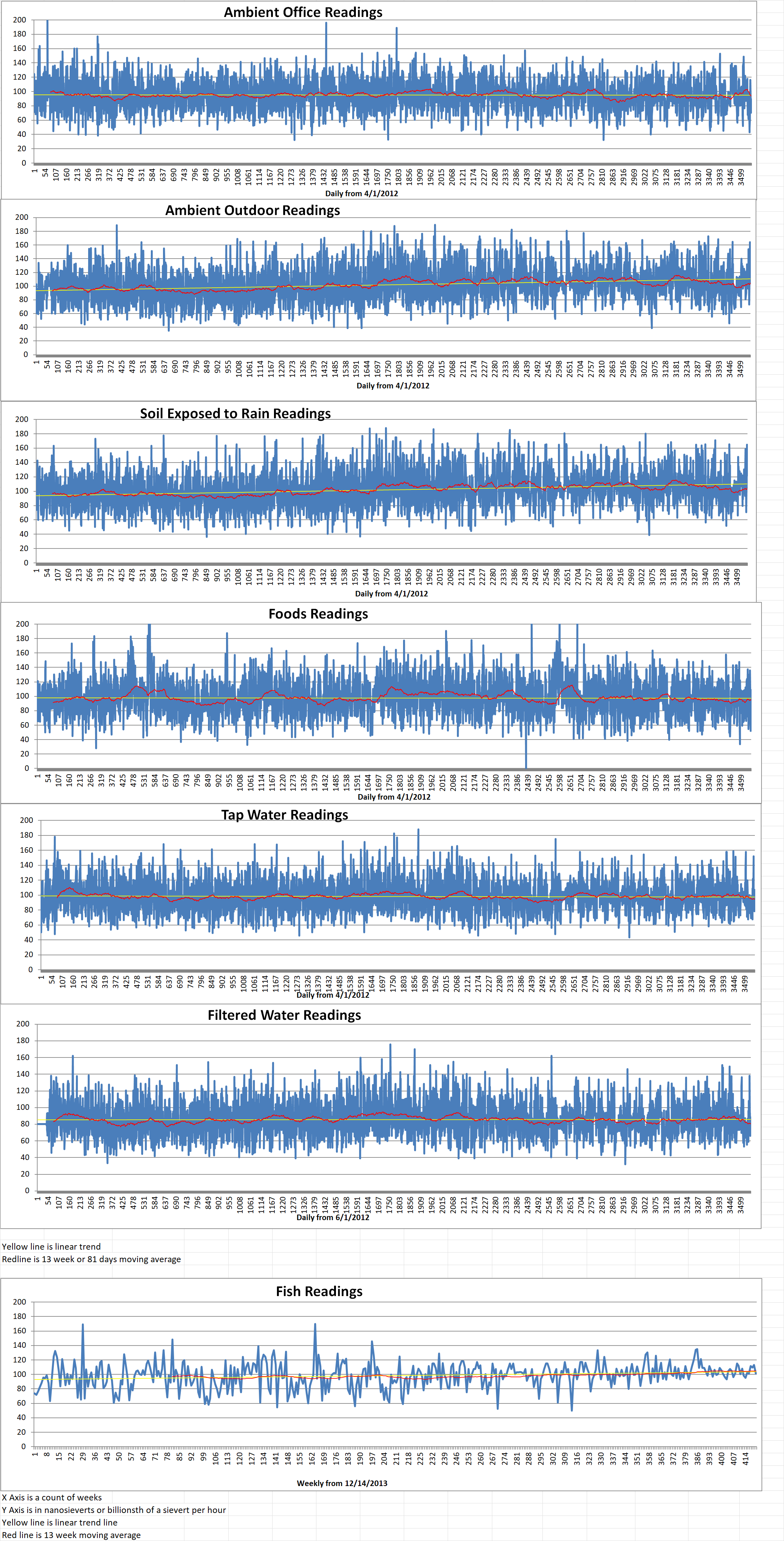
Geiger Readings for Mar 19, 2022
Ambient office = 79 nanosieverts per hour
Ambient outside = 106 nanosieverts per hour
Soil exposed to rain water = 109 nanosieverts per hour
Roma tomato from Central Market = 80 nanosieverts per hour
Tap water = 100 nanosieverts per hour
Filter water = 92 nanosieverts per hour
Dover sole = 101 nanosieverts per hour
-

Nuclear Reactors 1013 – Alaska Considering Nuclear Microreactors – Part 2 of 2 Parts
Part 2 of 2 Parts (Please read Part 1 first)
Microreactor technology is still under development. Several companies are working on various microreactor designs. Christina Carpenter is the director of the Division of Environmental Health, Department of Environmental Conservation. During a March 11 House Resources meeting she said that the expected timeframe for proven microreactors to enter the commercial marketplace is five to seven years. Carpenter commented that a conventional nuclear power station requires a fifty-mile emergency planning zone. On the other hand, the emergency planning zone for a microreactor ends at the facility door. This makes it possible to employ local decision making for microreactor siting.
Holdman told House Resources that, regardless of the proposed legislation, the federal Nuclear Regulatory Commission (NRC) would be responsible for regulating the manufacture of microreactor power plants. Any project involving the installation of a microreactor in Alaska would require an NRC license. She said, “They have a very robust licensing process, both on the technology side and for site licensing.”
A critical part of the NRC’s role would be to ensure that microreactors meet required safety standards. In addition, a microreactor installation would need the appropriate state permits, with the Department of Environmental Conservation (DEC) as the lead state agency.
Holdman said that two features of microreactor designs would make the microreactors very safe. First, the nuclear fuel for the microreactors comes in the form of small pellets. The uranium used for nuclear fission is encased in layers of materials designed to withstand temperatures and pressures higher than those reached in the nuclear reactions. Second, the reactors have passive cooling systems that would cool the nuclear fuel without the need for operational intervention or a backup power supply in case of a system malfunction.
The Alaska Power Association (APA) is the Alaskan trade association for electric utilities. In testimony to House Resources, the APA expressed its support for the propose legislation. Crystal Enkvist is the APA executive director. She said that microreactors, “are a viable source of power that have the potential to lower the cost of energy for Alaskans, decrease dependency on diesel, better position our state for economic development opportunities, and raise Alaska’s profile as a hub of energy innovation and energy independence.”
Some public comments on the bills expressed concerns about the safety of nuclear power and the potential for nuclear contamination. Alaska Community Action on Toxins argued that nuclear power is not clean energy. They said that nuclear power is destructive throughout its life cycle from uranium mining, predominantly on indigenous lands, through the enrichment process to the problem of the disposal of radioactive waste.
Some people worry about the safety of operating a nuclear facility in Alaska, especially given the high frequency of earthquakes in the state. Another issue that was raised was the potential for a terrorist attack on a nuclear power plant at a remote location.
Dr. Ashley Finan is the director of the Idaho National Laboratory. She addressed some of these concerns at the House Resources Committee meeting. She said that NRC regulations ensure that a nuclear facility has a high level of safety, combined with an emergency planning zone that represents the maximum area might be impacted by an accident. Despite some high-profile nuclear power station accidents over the years, the record of minimal contamination from nuclear energy has been very positive. Most nuclear contamination originates from a time of nuclear weapon production. Reactor technology is being developed to be compatible with seismic activity.
Waste from nuclear power plants is very closely managed in the U.S. Although the U.S. does not currently have a spent nuclear fuel disposal site, the Department of Energy is seeking a site using a consent-based process that has worked successfully in Finland and Sweden. Finan said that she does not think that anyone is proposing a nuclear waste site in Alaska.