
Part 1 of 2 Parts
When the Soviet Union fell apart in 1991, there was a great fear that some of the nuclear warheads in Soviet satellite nations might fall into the hands of terrorists. Dick Cheney said that there were at least two hundred and fifty nuclear warheads that might possibly disappear. However, to date, not one Soviet nuclear weapon has been discovered outside of Russian control.
The Cold War ended with a whimper rather than a bang when the Soviet Union fell thirty years ago. Many had dreamed of this day but were surprised when it actually came to pass. The good news was that the Soviet Union, the biggest threat to the U.S., was now just a part of history. However, the big question was what would happen to the giant Soviet nuclear arsenal that was now left in Russia and fourteen other nations that had achieved independence from the Soviet empire.
If there was a struggle for operation control of the intercontinental ballistic missiles with nuclear warheads left in the Ukraine and aimed at the U.S. targets, would some of them be accidentally or intentionally launched? How many of the thousands of tactical nuclear warheads left from the Soviet arsenal would become “loose nukes” and wind up for sale on the international black market?
From the perspective of the U.S., the past thirty years have seen many failures and disappointments in our relationship with Russia and other former Soviet states. Russian troops are massing at the Ukrainian-Russian border again. Putin is making extreme demands of western nations which the U.S. and NATO will most certainly reject. There is a real chance that the months ahead will see a bloody war in Ukraine.
Is there any positive news for the U.S. from the Russian front? In order to answer that question, it is useful to look back over the last thirty years and speculate on just what could have happened between the two nuclear superpowers. What matters most to U.S. national interests? The planners of U.S. foreign policy during the Cold War said that the core interest of the U.S. was to “ensure the survival of the United States as a free nation with our fundamental institutions and values intact.” This continues to be the focus of U.S. foreign policy. Events on the Russian front that could have had the greatest impact on U.S. most vital interests derived from the fact that Russia has a nuclear arsenal that could easily destroy the U.S.
A good question to ponder is what could have happened to the Soviet nuclear arsenal in December of 1991 when the Soviet Union collapses? On the television program Meet the Press, then Secretary of Defense Dick Cheney was asked this question two weeks before the Soviet Union fell. He answered, “If the Soviets do an excellent job at retaining control over their stockpile of nuclear weapons and they are 99% successful, that would mean you could still have as many as 250 that they were not able to control.”
Please read Part 2 next
Blog
-

Nuclear Weapons 763 – No Nuclear Weapons Escaped Russian Control After The Fall Of The Soviet Union – Part 1 of 2 Parts
-
Nuclear News Roundup Dec 27, 2021
Construction begins at second Changjiang Hualong One world-nuclear-news.org
Nuclear Treaty Conference Likely to Be Delayed Due to Virus usnews.com
TVEL starts PWR fuel fabrication at Novosibirsk world-nuclear-news.org
Main Presidential Opposition Candidate Promises Reactor Exports And Completion Of Shin-Hanul Units nucnet.org
-
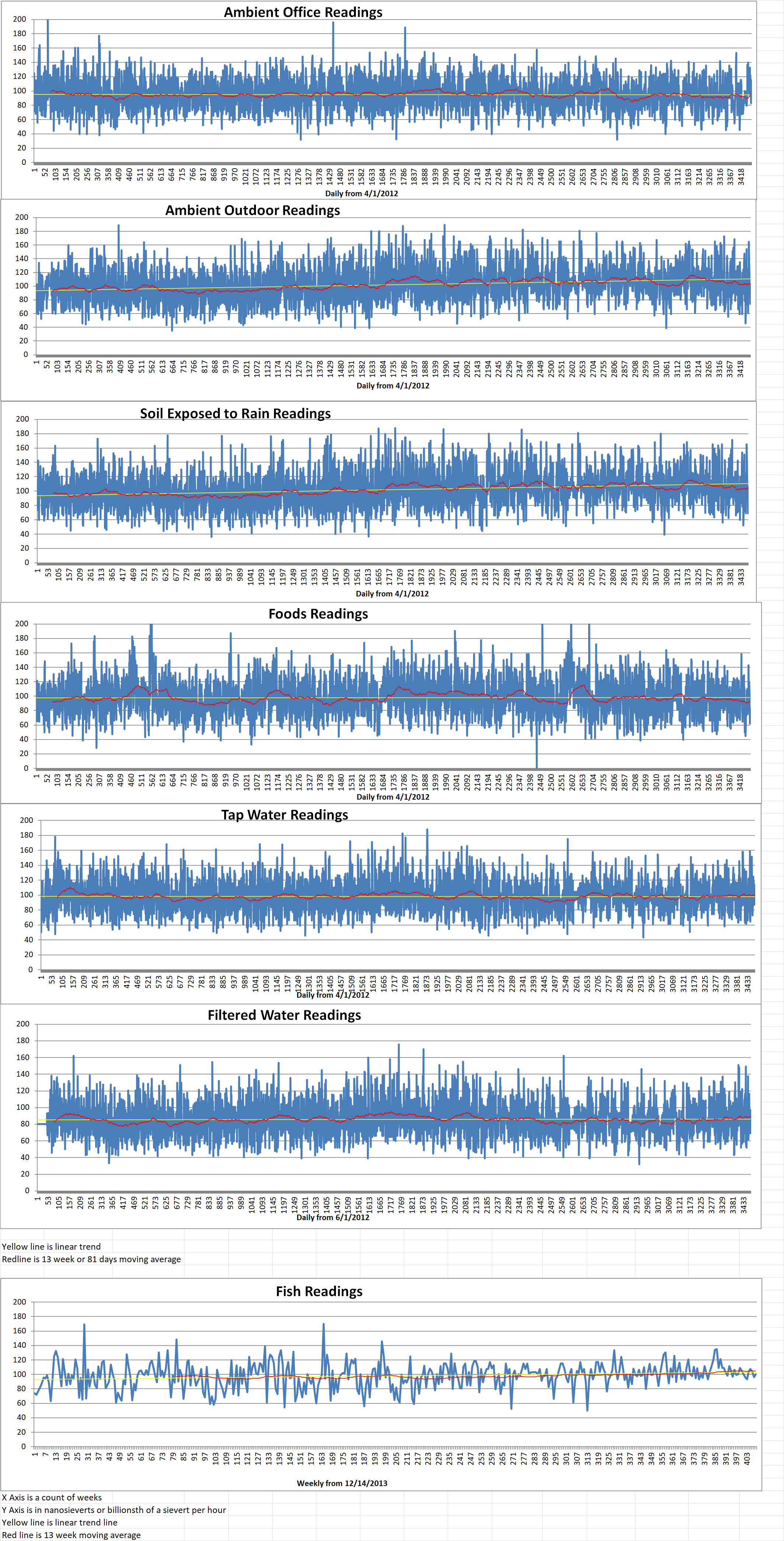
Geiger Readings for Dec 27, 2021
Ambient office = 111 nanosieverts per hour
Ambient outside = 74 nanosieverts per hour
Soil exposed to rain water = 69 nanosieverts per hour
Red bell pepper from Central Market = 70 nanosieverts per hour
Tap water = 92 nanosieverts per hour
Filter water = 77 nanosieverts per hour
-
Nuclear News Roundup Dec 26, 2021
Ukraine aims to produce enough uranium for nuclear energy needs fxempire.com
BIS Proposes Shift to Electronic Reporting for Certain Nuclear Activities exportcompliancedaily.com
A Last-Ditch Effort to Save the Iran Deal foreignpolicy.com
New Mexico tribes concerned about plan to power nuclear lab abcnews.go.com
-
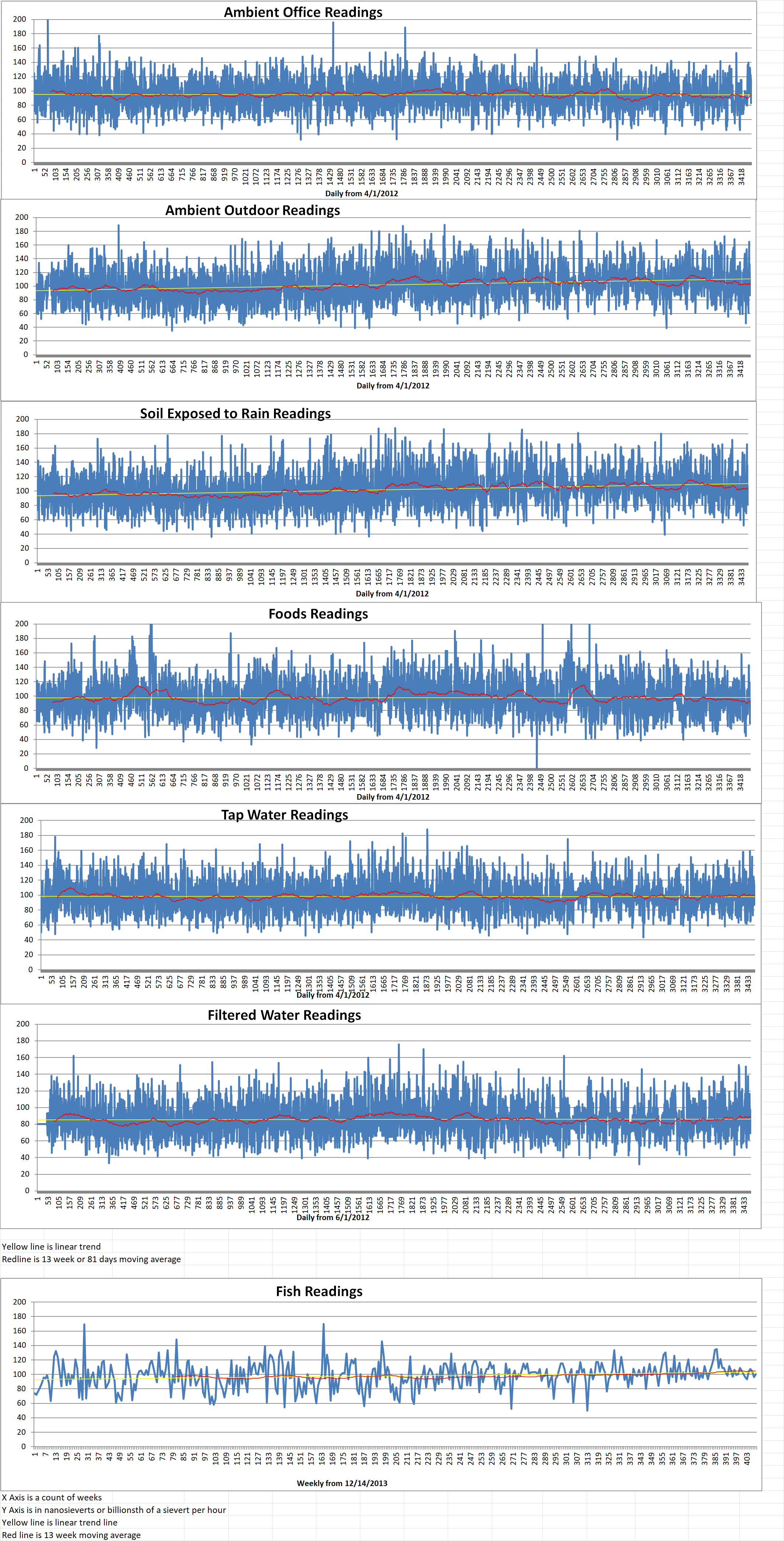
Geiger Readings for Dec 26, 2021
Ambient office = 116 nanosieverts per hour
Ambient outside = 87 nanosieverts per hour
Soil exposed to rain water = 81 nanosieverts per hour
English cucumber from Central Market = 83 nanosieverts per hour
Tap water = 103 nanosieverts per hour
Filter water = 97 nanosieverts per hour
-
Nuclear News Roundup Dec 25, 2021
-
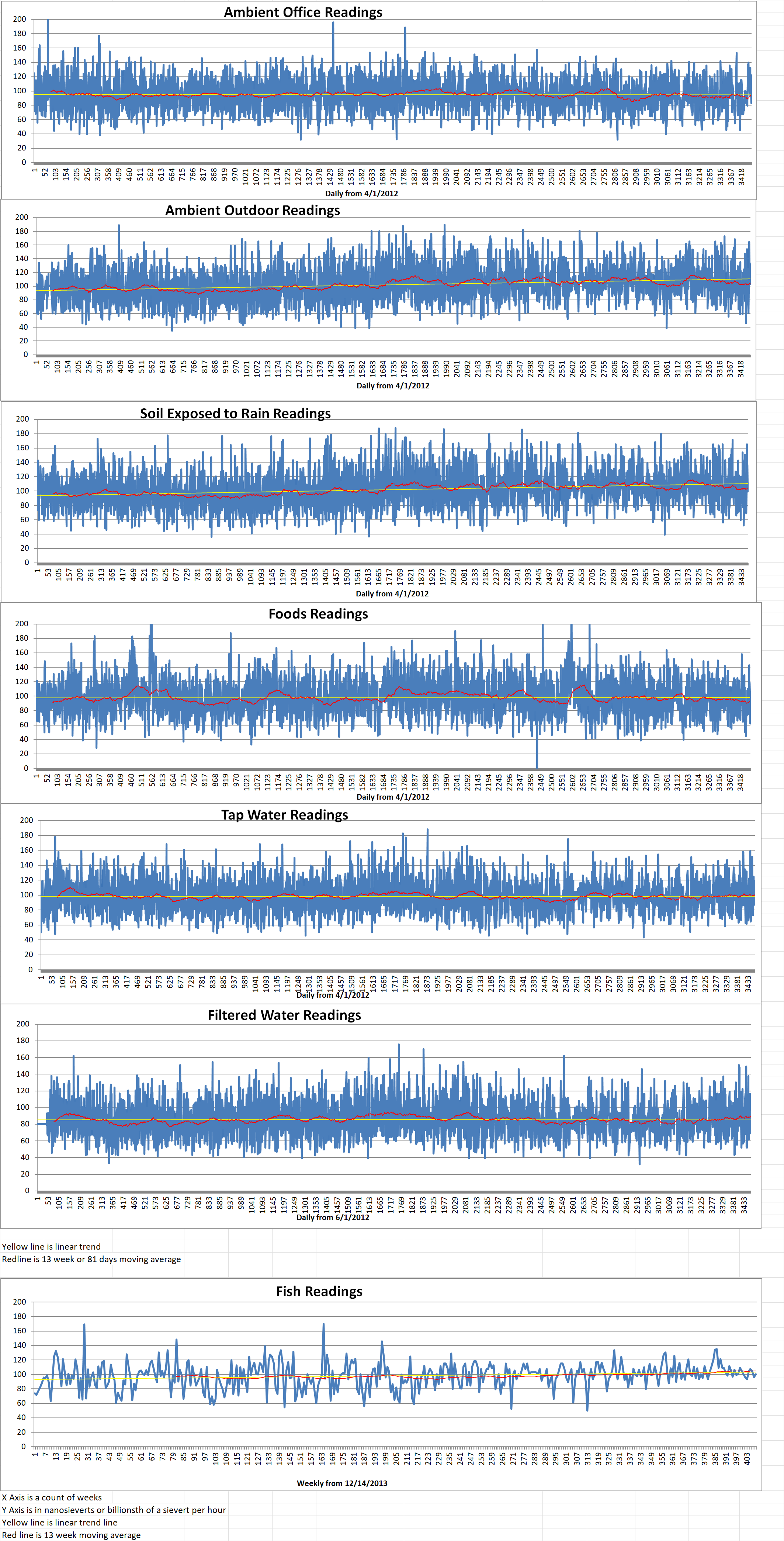
Geiger Readings for Dec 25, 2021
Ambient office = 83 nanosieverts per hour
Ambient outside = 103 nanosieverts per hour
Soil exposed to rain water = 106 nanosieverts per hour
Carrot from Central Market = 62 nanosieverts per hour
Tap water = 87 nanosieverts per hour
Filter water = 69 nanosieverts per hour
Dover sole = 101 nanosieverts per hour
-
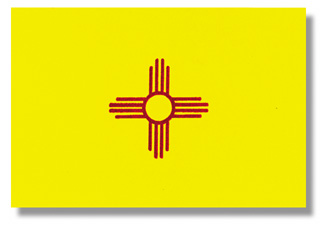
Radioactive Waste 832 – New Mexico Gets Funding For Nuclear Activities From Defense Spending Bill
New Mexico has many federal facilities that deal with nuclear weapons, nuclear research and nuclear waste. The state will receive millions of dollars this year from an annual bill that supplies funding for national-defense-related facilities across the U.S. The National Defense Authorization Act (NDAA) was passed by both the U.S. House and Senate. It was sent to President Biden for his signature. The NDAA will provide federal dollars to military installation and initiatives for Fiscal Year 2022. It will also set spending plans and priorities for the next year.
U.S. Senator Martin Heinrich is a democratic Senator for New Mexico. He sits on the Armed Services Committee in the Senate. He said that this year’s NDAA would benefit New Mexico by providing dollars to many of New Mexico’s federal projects, boosting its economy and making his state a “leader” in national defense. “These provisions, among many others, benefit New Mexico’s economy, and advance our state’s position as a leader in national security for years to come.”
Waste Isolation Pilot Plant
The Waste Isolation Pilot Plant (WIPP) is the only deep geological repository for nuclear waste produced by weapons research and production in the U.S. It is located near Carlsbad. Low-level transuranic (TRU) waste consists of clothing and equipment irradiated during nuclear activities. It is shipped to WIPP from facilities across the nation and buried in an old salt mine about two thousand feed underground.
The NDAA authorizes about four hundred and thirty million dollars to operate the WIPP. This amount includes fifty-five million dollars for the repair of the WIPP ventilation system This is part of a three hundred million dollar rebuild of the WIPP known as the Safety Significant Confinement Ventilation System. Another twenty-five million dollars will support ongoing work on a new utility shaft at the facility.
Los Alamos National Laboratory
The Los Alamos National Laboratory (LANL) in Los Alamos is a primary facility for U.S. plutonium research. It is the home of the development of nuclear weapons and other defense-related projects. The facility has had problems in recent years which triggered calls from the New Mexico Environment Department (NMED) to address groundwater contamination originating from the site.
About one billion dollars was provided to the LANL by the NDAA to support its ongoing plutonium research and production of plutonium pits. These pits are used as the trigger for nuclear weapons. The funding supports personnel, equipment and other work at the lab to meet its pit production quotas for the next five years. Six hundred and sixty million dollars are allocated for plutonium operations and three hundred and fifty million dollars for pit production. Three hundred and thirty-eight million dollars are included in the NDAA for nationwide environmental cleanup. Two hundred and seventy-five million dollars will go to Los Alamos. Another fifty-eight million dollars will go to its excess, unused facilities.
Sandia National Laboratory
Sandia National Laboratory near Albuquerque conducts nuclear research and develops technologies for the rest of the country. The lab also supports the federal nuclear stockpile through research and modernization efforts. The SNL is managed by the National Nuclear Security Administration which received about sixteen billion dollars in the NDAA including funding for Sandia’s engineering, science and systems integration programs. Another fourteen billion dollars is included in the NDAA for a project to develop new power sources at the lab. -
Nuclear News Roundup Dec 24, 2021
Belgium agrees to close controversial ageing nuclear reactors bbc.com
Iran fires ballistic missiles during drills in warning to Israel Aljazeera.com
Combatting the Banana Wilt Pandemic with Nuclear Science iaea.org
Provinces’ next step on building small nuclear reactors to come in the new year cbc.ca
-
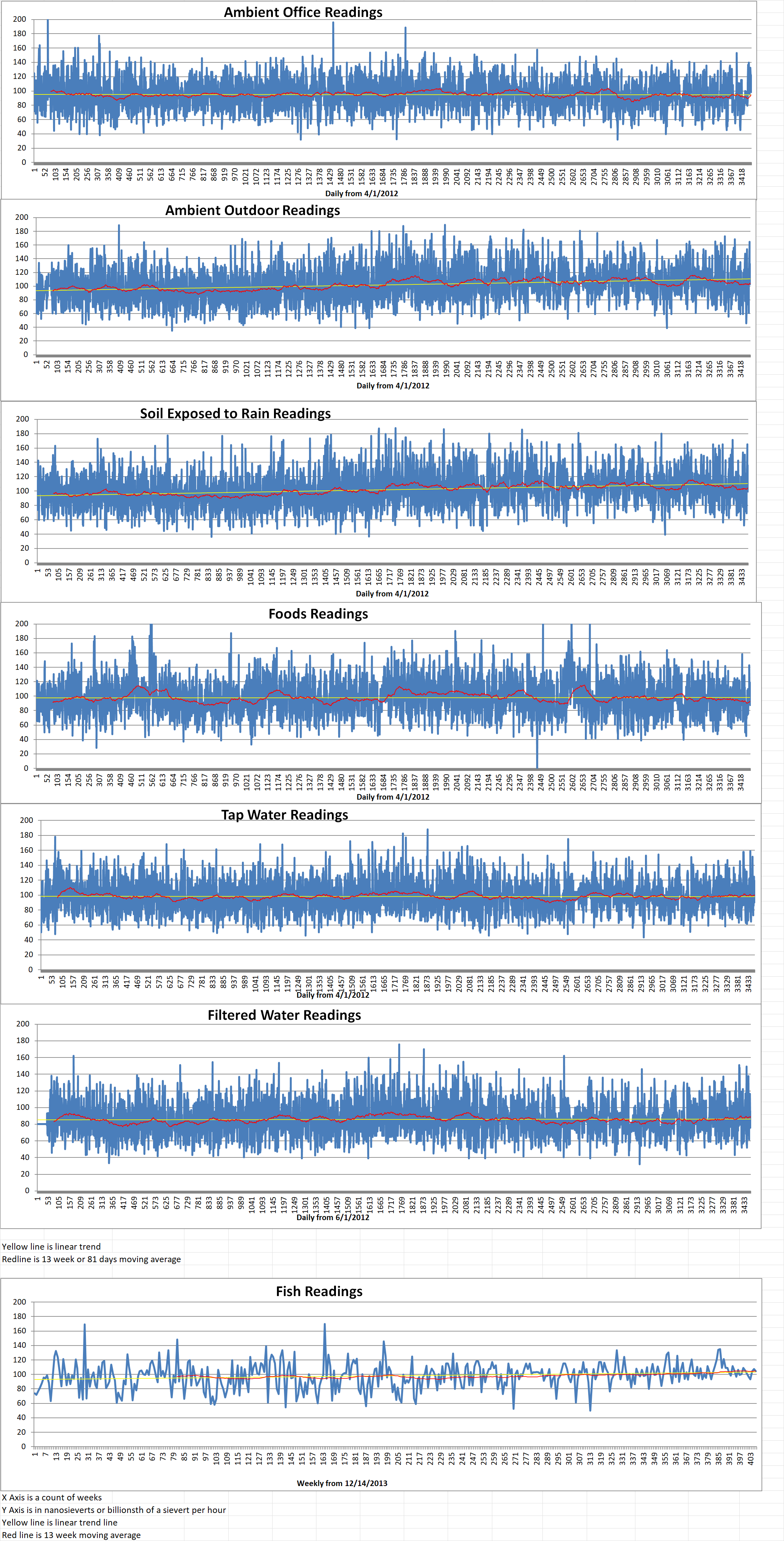
Geiger Readings for Dec 24, 2021
Ambient office = 99 nanosieverts per hour
Ambient outside = 103 nanosieverts per hour
Soil exposed to rain water = 105 nanosieverts per hour
Blueberry from Central Market = 88 nanosieverts per hour
Tap water = 114 nanosieverts per hour
Filter water = 93 nanosieverts per hour