
A five-year test program of the patented Surface Access Borehole Resource Extraction (SABRE) has just been completed by Denison Mines Corporation and Orano Canada Inc. The SABRE is an innovative mining method that could be used to access high-grade ore bodies that are either too small or too deep to be mined economically using conventional methods. The new mining method was tested at the McClean Lake property in Saskatchewan, Canada.
SABRE is a non-entry, surface-based mining method that utilizes a high-pressure water jet positioned at the bottom of a drill hole to excavate a mining cavity. The cuttings produced by the excavation process are air lifted to the surface. Then they are separated and stockpiled. Work on the new mining equipment invention and development initiative began in 2004.
McClean Lake Joint Venture (MLJV) is a joint venture partnership of Denison and Orano. They said that the final stage of a five-year field test was completed from May to September of 2021. Four mining cavities were successfully excavated to produce about fifteen hundred tons of “high-value” ore with grades in the range of four percent to eleven percent U308. U308 is triuranium octoxide, a compound of uranium produced by milling uranium ore. It is also called yellowcake.
The MLJV said that “The program was concluded with no safety, environmental or radiological incidents and confirmed the ability to achieve key operating objectives associated with the test program – including targets for cavity diameter, rates of recovery, and mine production rates.”
Most of the ore recovered from the test mining program has been transported to the McClean Lake mill. It is expected to be processed by the end of 2021.
Based on the success of the 2021 program, the partners plan to review the potential use of SABRE for future mining operation at their jointly owned McClean Lake and Midwest properties. Orano operates both of these properties.
David Cates is the President and CEO of Denison. He said that the companies. He said that “With this test result, SABRE has demonstrated that it is capable of mining high-grade uranium ore in the Athabasca Basin region. Orano, as operator of the MLJV, has diligently advanced the necessary R&D efforts as part of a long-term vision for developing a mining method that could benefit our joint venture.” He added that the companies “look forward to jointly exploring its potential applications in the context of improving uranium markets.”
MLJV says that SABRE is unique because it can be selective and scalable. It has superior flexibility when it is compared to conventional mining methods. It is ideally suited to changing uranium market conditions. It also has a potentially short production ramp up of months instead of years.
MLJV says that “The SABRE method is considered environmentally friendly as a result of its less intrusive nature and potentially smaller surface footprint when compared to conventional open pit or underground mining methods. Reduced water usage and power consumption also contribute to potential reductions in greenhouse gas emissions and improved sustainability. Additionally, as a non-entry mining method, radiological exposure for mine workers is minimized.”
Blog
-
Nuclear Reactors 968 – McClean Lake Joint Venture Tested Their New Surface Access Borehole Resource Extraction Mining Methods
-
Nuclear News Roundup Nov 05, 2021
Hoeven legislation would prevent unilaterally cutting U.S. nuclear forces minotdailynews.com
Iran tells Russia West must be ‘realistic’ in nuclear talks timesofisrael.com
Iran begins annual war games to ‘improve readiness’ ahead of nuclear talks timesofisrael.com
Navy fires top officers of U.S. nuclear submarine damaged in underwater collision in South China Sea cbsnews.com
-
Geiger Readings for Nov 05, 2021
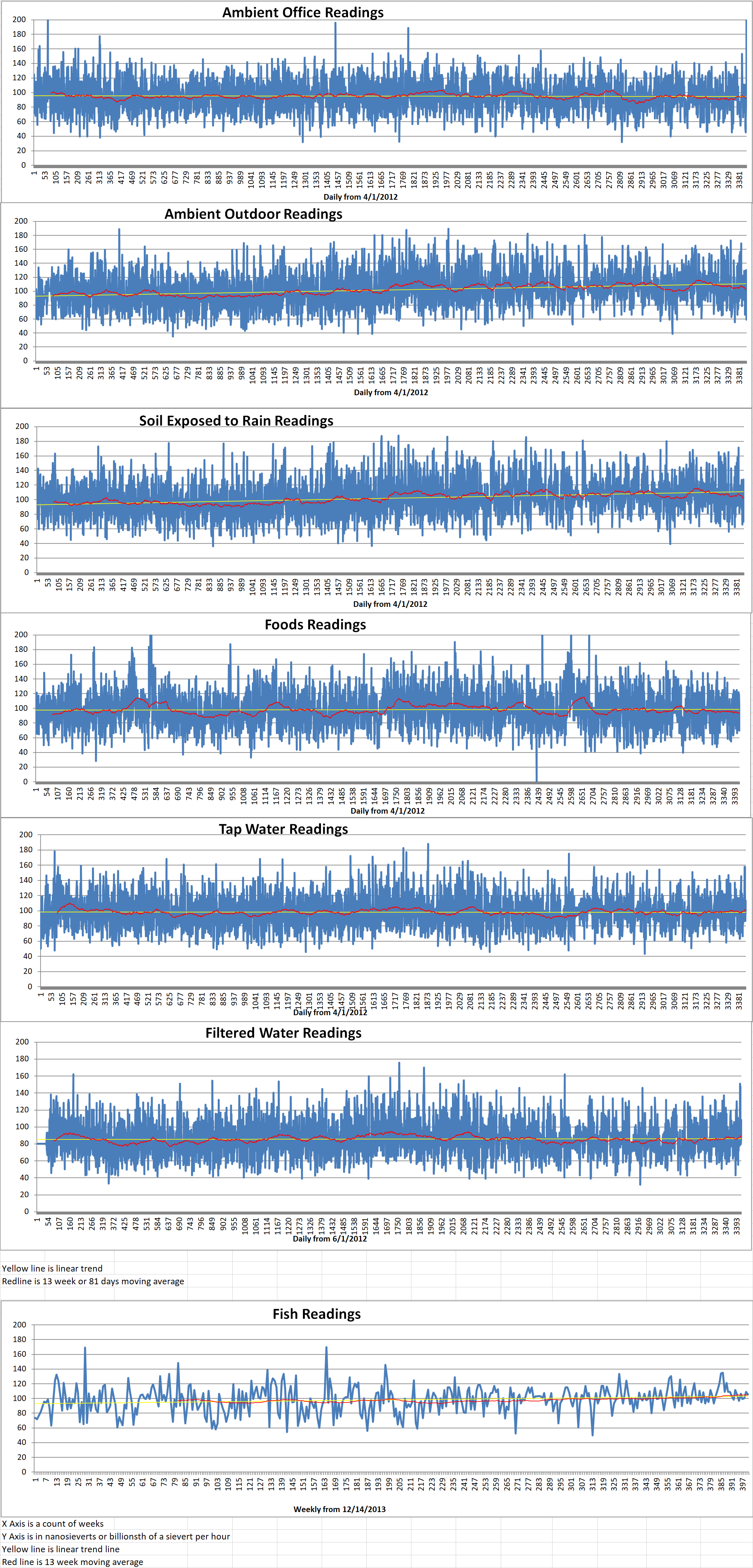
Ambient office = 76 nanosieverts per hour
Ambient outside = 84 nanosieverts per hour
Soil exposed to rain water = 87 nanosieverts per hour
Red bell pepper from Central Market = 87 nanosieverts per hour
Tap water = 119 nanosieverts per hour
Filter water = 109 nanosieverts per hour
-
Radioactive Waste 828 – The State Of New Mexico Is Battling the U. S. Department Of Energy Over Waste Shipments to The Waste Isolation Pilot Plant From the Los Alamos National Laboratory – Part 2 of 2 Parts
Part 2 of 2 Parts (Please read Part 1 first)
Commissioner Hughes told an interviewer with respect to state inspection of radioactive materials shipments “That’s maybe a little bit reassuring that the state has a little bit of control there. If the shipments are limited to not much more than we have now, then I guess the chance of accidents would not be a whole lot more, either.”
Cynthia Weehler is an anti-nuclear activist with community group 285ALL who is not reassured by the state’s inspection limitations for shipment of nuclear materials. She said, “It doesn’t address the issue of the new mission of the WIPP,” referring to the current shipment cap. “They’re [the governor’s office] referring to the old mission.”
Activists’ concerns about the expansion of the WIPP are justified. The DoE has submitted several permit modification requests including one to excavate a new shaft and another to dig two new underground chambers to contain barrels of waste. DoE has also requested an operating permit renewal application for the facility. These requests are pending approval by the environment department of the state.
A DoE spokesperson said that the department does not consider that its application constitutes an ‘expansion’. On the other hand, nuclear watchdogs like Don Hancock, director of nuclear waste safety for the Southwest Research and Information Center say that the DoE requests are being used as a piecemeal way to expand the WIPP without using that term.
In addition to those modification requests, the DoE issued a notice of intent last December to draft an environmental impact statement for its plan to dilute and dispose of surplus plutonium transuranic waste from the Cold War.
Under the DoE “dilute and dispose” plan, surplus plutonium would first be transported to the LANL from the Pantex Plant in Amarillo, Texas. It would then be ground into powder at the LANL. The plutonium powder would then be shipped to the Savannah River Site in South Carolina where it would be diluted before being shipped to the WIPP. A draft environmental impact statement is scheduled to be released before the end of the year. The governor of New Mexico is very concerned about the dilute and dispose plant for plutonium which she says is an example of the DoE prioritizing shipments from other states to the WIPP.
Weehler is very concerned about the possibility of an accident. The odds of transportation problems go up with the increase of shipments under the WIPP’s expansion plans. He is worried that the emergency responders would not be able to respond fast enough to prevent people from being exposed to radiation.
Martin Vigil is the Santa Fe County Emergency Management Director. He says that the county is ready to quickly respond to an accident and to treat anyone who was exposed to radiation. He also says that following the initial response, the country would actually have a low level of involvement because the state and appropriate federal agencies would step in.
While the governor’s office is concerned about DoE priorities, the WIPP Transportation Safety Program is “very robust and touches all disciplines of response ensuring that communities are equipped with trained and capable responders and tools to ensure a rapid response to any transportation incident on the highway.” The Program provides training for first responders, hospitals and clinics along the shipping routes. -
Nuclear News Roundup Nov 04, 2021
NATO Secretary General addresses annual Nuclear Policy Symposium nato.int
UI professor emeritus expresses concerns over nuclear reactor proposal dailillini.com
OPG awards contract for complex parts for nuclear refurbishment prnewswire.com
Iran: Nuclear talks with world powers to resume on November 29 aljazeera.com
-

Geiger Readings for Nov 04, 2021
Ambient office = 76 nanosieverts per hour
Ambient outside = 84 nanosieverts per hour
Soil exposed to rain water = 87 nanosieverts per hour
English cucumber from Central Market = 87 nanosieverts per hour
Tap water = 119 nanosieverts per hour
Filter water = 109 nanosieverts per hour
-

Radioactive Waste 827 – The State Of New Mexico Is Battling the U. S. Department Of Energy Over Waste Shipments to The Waste Isolation Pilot Plant From the Los Alamos National Laboratory – Part 1 of 2 Parts
Part 1 of 2 Parts
Anti-nuclear activists and residents of Santa Fe County have been raising concerns that more nuclear waste shipments will soon be traveling through their county on the way to the Waste Isolation Pilot Plant (WIPP) which is the only long-term storage facility in the U.S. for transuranic radioactive waste. The WIPP is located near Carlsbad, New Mexico and it receives waste from the manufacture of nuclear warheads.
Two recent town halls regarding transport of nuclear materials were hosted by Santa Fe County officials and anti-nuclear activists. Serious questions and foreboding answers were presented at the town halls. The U.S. Department of Energy (DoE) has released little information about their plans for the transport of nuclear materials though Santa Fe County. Michelle Lujan Grisham is the Governor of New Mexico. She said that expansion of shipments would be limited to the ability of state vehicle inspection capability to handle the increased shipments.
The DoE must submit all nuclear materials shipments leaving Los Alamos National Laboratory (LANL) destined for the WIPP to state inspection under an intergovernmental agreement. New Mexico State Police carry out those inspections. Currently, there are about seven shipments a week. The state system has the ability to conduct up to twenty such inspections per week. At this point, the state agency has no plans to hire additional staff to increase their inspection capacity.
The DoE said that the rate of shipments to the WIPP is “expected to increase to 10-12 shipments per week” over the next few months. The DoE has also put in requests with the State of New Mexico to expand the WIPP facility. Earlier this year, the DoE announced that it was working on the preparation of an environmental impact statement to dispose of surplus plutonium at the WIPP.
A spokesperson for the New Mexico governor says that the governor is worried about the possibility of future WIPP expansion. She is also worried about the idea of increased nuclear materials shipments through the state. The governor believes that there is a more pressing, immediate problem with respect to New Mexico’s long relationship with the nuclear industry.
The governor’s spokesperson said that the governor’s biggest concern is that the DoE “continues to prioritize shipments from other states to…WIPP while failing to expedite cleanup of waste at Los Alamos.” The governor said that the DoE’s position is just unacceptable.
Last February, the New Mexico Environment Department sued DoE over a “continuing pattern of delay and noncompliance” of legacy waste cleanup at LANL. The state is asking for a court-supervised process to resolve the issue. DoE responded to the suit by claiming that New Mexico is not entitled to the relief it seeks. There are ongoing negotiations in federal court over settlement terms.
In Santa Fe County, the fact that there are state imposed inspection limitations eases some minds. Commissioner Hank Hughes and Commissioner Anna Hamilton hosted the first town hall in August. Commissioner Anna Hansen hosted the second town hall in October.
Please read Part 2 next -
Nuclear News Roundup Nov 03, 2021
Norway Fund Divests From Companies Tied to Weapon Production usnews.com
EU Commission unresponsive on call to exclude nuclear power from Taxonomy ipe.com
UAE state nuclear group completes construction of unit 3 of Barakah plant reuters.com
North Korea can produce more uranium than current rate, report says reuters.com
-
Geiger Readings for Nov 03, 2021
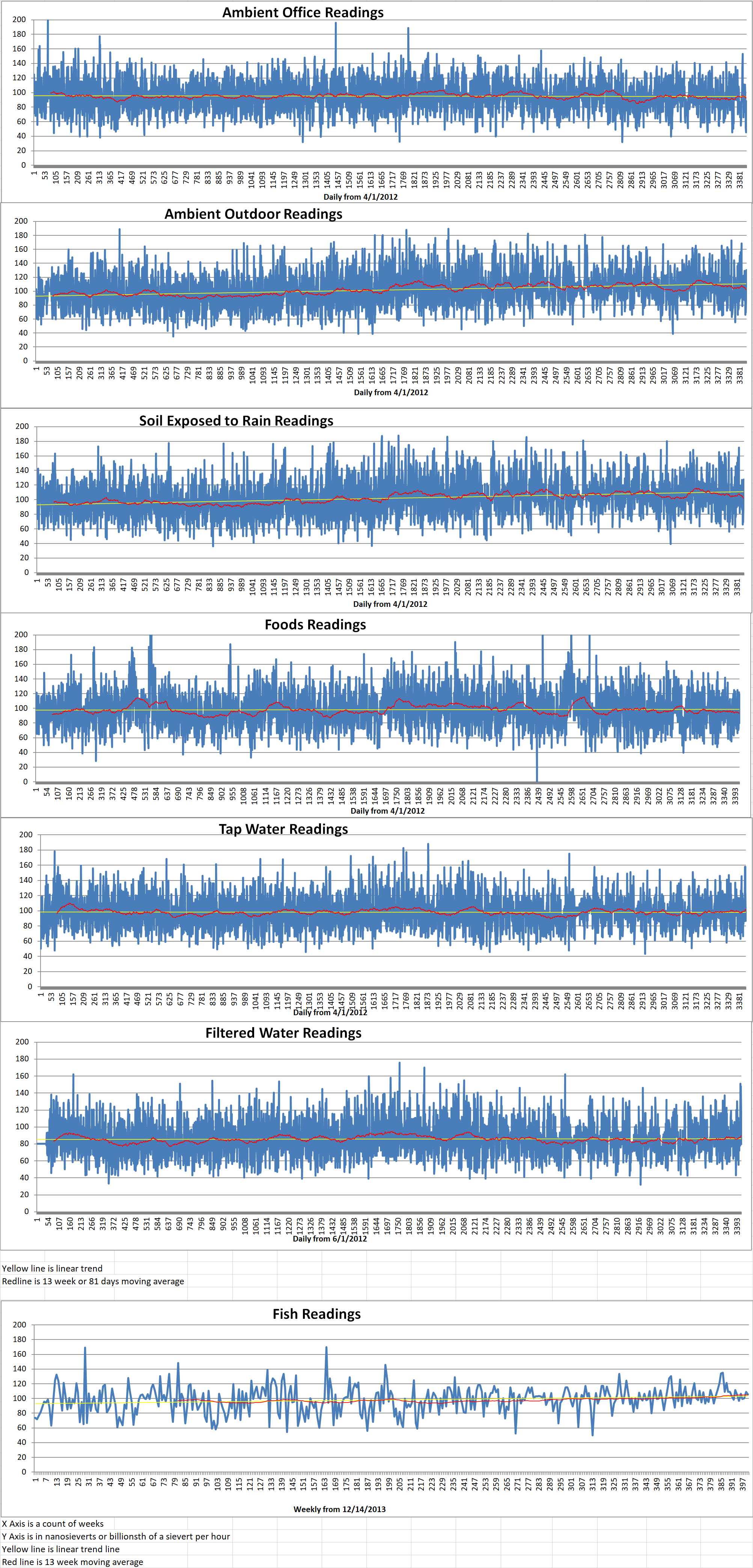
Ambient office = 76 nanosieverts per hour
Ambient outside = 84 nanosieverts per hour
Soil exposed to rain water = 87 nanosieverts per hour
Avocado from Central Market = 87 nanosieverts per hour
Tap water = 119 nanosieverts per hour
Filter water = 109 nanosieverts per hour
-
Nuclear Weapons 755 – Problems With Rebuilding The Los Alamos National Laboratory Plutonium Pit Facility
The Defense Nuclear Facilities Safety Board (DNFSB) is an independent safety board. In a recent report, the DNFSB raised serious concerns about the lack of training of LANL workers to properly handle nuclear materials.
Many safes constructed to contain nuclear materials require an empty buffer zone of six inches around them. However there have been several incidents in which items were discovered atop the safes. These events caused managers to add “operator aids” to help their workers identify which safes must remain clear.
The DNFSB report mentioned that inspectors found items placed on several nuclear material safes and a welding curtain propped up against another. The report said, “Facility personnel are working on methods to prevent these occurrences. This is a challenge given the rapid increase of staffing in the facility.”
The report claims that it is an especially problematic situation because construction workers and trades people are not trained to deal with these “criticality safety” postings the way that nuclear material handlers are. Criticality is the point at which a nuclear reaction becomes self-sustaining which can result in an explosion. The LANL did not respond to questions about the DNFSB report.
Critics of the LANL procedures say that these failures occur because of mixed crews carrying out daily operation at the facilities with construction crews not trained to work in a nuclear environment. Manages who are trying to deal with the chaos encounter difficulties.
Greg Mello is an executive director of the nonprofit Los Alamos Study Group. He said, “They have new workers being trained, construction workers on the site, schedule pressures [and] they frequently work at night. Everything is very crowded. You add it all up together, and it’s not a good situation for safety.”
The number of workers and the possibility of additional problems will increase as the LANL comes closer to constructing the plutonium pits needed to detonate nuclear warheads according to Mello. Putting so many workers into the building could overload its capacity.
Federal officials are asking the LANL to construct thirty of the pits a year by 2026. They also intend to have the Savannah River Site in South Carolina manufacture an additional fifty plutonium pits per year in the 2030s.
Jay Coghlan is an executive director of Nuclear Watch New Mexico. He said, “Los Alamos is rapidly ramping up, and doing a lot of new hires.” He added that the LANL has a bad record of worker safety problems at its plutonium facility. Expanding the number of on-site workers there will exacerbate an already unsafe situation.
Mello said that overhauling a facility that was built in the late 1970s to adhere to modern safety and fire codes and meet the demand of the upcoming pit production is an expensive, complex project. He said that it seems inevitable that construction tasks will impact plutonium operations. He added that “It has so many different, moving parts, and they all have to work together in the right order, And it’s very complicated.”
According to the DNFSB report, when areas are required to remain clear, workers paint “no storage zones” on the floor and rope them off. In the long term, managers intend to assess controls, such as installing a physical cage around safes containing nuclear materials and training workers who don’t usually deal with nuclear materials.