
Part 2 of 5 Parts (Please read Part 1 first)
According to TerraPower and GEH, the development of Natrium functionality has been as important to them as their work on cost-reductions. The technology’s end-goal is a system that provides “firm, flexible power that seamlessly integrates into power grids with high penetrations of renewables.”
The most significant aspect of Natrium is that the system can either generate electricity with the heat produced by the reactor or it can use molten salt energy storage technology to store the heat produced by the reactor. This has the potential to “boost the system’s output to 500 MWe of power for more than five and a half hours when needed.”
Natrium’s system notably borrows from concentrated solar power (CSP) applications. The technology basically leverages those solar facilities equipment and system designs, but it applies them with best practices and lessons learned to its out unique application. TerraPower said, “It is employed successfully at similar scale at the operating Solana Generating Station in Arizona and at additional solar thermal facilities in the U.S. and around the world. While the molten salt energy storage technology is commercially available, there are numerous technical developments that enable a nuclear reactor to charge the molten salt energy storage system. Many of these improvements in nuclear reactor design and nuclear site layout are proprietary.”
TerraPower said that the two companies decided on nitrate molten salt as the storage coolant because it “offers the best combination of non-nuclear industrial properties and compatibility with sodium. Nitrate salts also overlap the Natrium technology’s operating temperatures better than any other competing reactor coolant. The Natrium system has the best base technology to leverage molten salt-based thermal storage.”
The storage part of the system allows the reactor to participate in changing power markets because the nuclear design can “follow daily electric load changes and helps customers capitalize on peaking opportunities driven by renewable energy fluctuations. But it will also give nuclear generators a new source of revenue.”
Jay Wileman is the GEH president and CEO. He said, “Our collective experience brings unparalleled capabilities in design and construction that ensure the Natrium product can drive value for our customers. We designed this system with operator input to potentially increase their revenues by 20% through the use of energy storage.”
To date, the Natrium system has captured the interest of many utilities through the U.S. Department of Energy (DoE) Advanced Reactor Demonstration Program (ARDP). “PacifiCorp, a subsidiary of Berkshire Hathaway Energy, Energy Northwest and Duke Energy have expressed their support for the commercialization effort, which will provide energy and energy storage to the electrical grid.”
GEH and TerraPower are also part of a team led by Bechtel National Inc. that was recently selected by Battelle Energy Alliance (BEA) to lead the design and construction phase of the DoE’s Versatile Test Reactor (VTR), a one-of-a-kind research facility designed to give U.S. companies access to fast spectrum irradiation testing. Negotiations are continuing for that contract.
Please read Part 3 next
Blog
-
Nuclear Reactors 806 – TerraPower and GE Hitachi Nuclear Are Working On A Combination Reactor and Energy Storage System – Part 2 of 5 parts
-
Nuclear News Roundup Sep 08, 2020
Drones love to fly over nuclear power plants, documents reveal dronedj.com
PH seen likely to resort to nuclear power as energy demand increases
France cranks up hydrogen plans with 6.5-GW, 2030 target, plays down new nuclear spglobal.com
Northwest heat wave puts nuclear power plant near Tri-Cities under ‘no touch’ order tri-cityherald.com
-
Geiger Readings for Sep 08, 2020
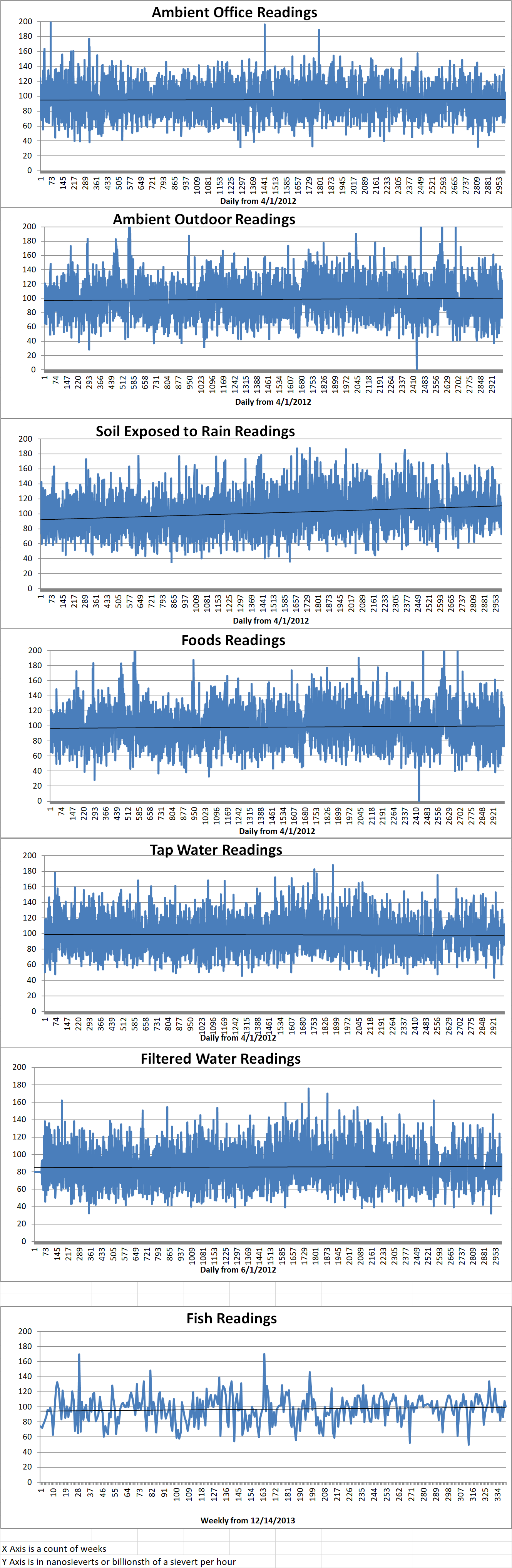
Ambient office = 105 nanosieverts per hour
Ambient outside = 117 nanosieverts per hour
Soil exposed to rain water = 115 nanosieverts per hour
Watermellon from Central Market = 73 nanosieverts per hour
Tap water = 86 nanosieverts per hour
Filtered water = 72 nanosieverts per hour
-

Nuclear Reactors 805 – TerraPower and GE Hitachi Nuclear Are Working On A Combination Reactor and Energy Storage System – Part 1 of 5 parts
Part 1 of 5 Parts
GE Hitachi Nuclear Energy (GEH) and TerraPower, the innovative nuclear startup backed by Bill Gates, are prepared to demonstrate what they call a “cost-competitive” advanced nuclear fission reactor system that will combine a three hundred and forty five megawatt sodium fast reactor (SFR) with a molten salt energy storage system under a unique energy system architecture.
This new advanced nuclear technology was developed under a joint development agreement. It is named “Natrium” which is the Latin word for sodium. It combines the TerraPower’s Traveling Wave Reactor (TWR) and GEH’s Prism technology. The companies said in an interview this month that they are boosting the TWR and PRISM integration with “additional innovations and improvements.”
The companies said that Natrium leverages “the breadth and depth of the team’s expertise and resources” by taking into account the work they have done on multiple reactor designs and efforts across the nuclear lifecycle. They said that the technology has moved beyond the research and development phase and is now ready for demonstration. TerraPower said “The demonstration plant is designed to be delivered in the next seven years. That means the Natrium technology will be available in the late 2020s,” which would make it one of the world’s first commercial advanced nuclear.
The key to the claim of cost-effectiveness is the tight energy system architecture which they say simplifies previous reactor types. A typical Natrium site will cover about forty-four acres with a nuclear island of about sixteen acres. TerraPower said, “When normalized to power rating, the Natrium system has a smaller footprint compared to other Generation IV reactors. Similarly, Natrium has a smaller footprint than most multi-unit plants with light water reactors operating today.” One benefit of a plant based on the Natrium technology is a significantly reduced emergency planning zone, “which allows it to be sited in many locations without affecting local population centers.”
The Natrium system design also involves fewer equipment interfaces which could significantly reduce the amount of nuclear grade concreate required by eighty percent when compared to bigger conventional reactors. TerraPower said, “Non-nuclear mechanical, electrical and other equipment will be housed in separate structures, reducing complexity and cost. The design is intended to permit significant cost savings by allowing major portions of the plant to be built to industrial standards.”
TerraPower and GEH are emphasizing cost reduction for their Natrium design because it is such an important consideration for commercial success in an expanding global small nuclear reactor (SMR) market. There are currently more than fifty SMR designs and concepts at different levels of technology readiness that are competing for first customers. The specific business model for Natrium takes into account shifting market needs and expectations. The International Atomic Energy Agency launched a three years economic appraisal for SMRs last March. At the time, they noted that “the market itself should be large enough to sustain demand for components and industrial support services. The economic impact of SMR development and deployment has to be quantified and communicated to gain societal support.”
Please read Part 2 next -
Nuclear News Roundup Sep 07, 2020
Some U.S. cities turn against first planned small-scale nuclear plant whtc.com
Nuclear power plan emergency information brochure sent to residents nny360.com
Nuclear waste project proposed near Carlsbad sees mixed response in final public hearing currentargus.com
China Cabinet Approves Two Nuclear Power Projects: State Media usnews.com
-

Geiger Readings for Sep 07, 2020
Ambient office = 87 nanosieverts per hour
Ambient outside = 105 nanosieverts per hour
Soil exposed to rain water = 101 nanosieverts per hour
Blueberry from Central Market = 125 nanosieverts per hour
Tap water = 91 nanosieverts per hour
Filtered water = 70 nanosieverts per hour
-
Nuclear News Roundup Sep 06, 2020
Nuclear Industry Promises Lessons of Hinkley Point C Will Bring Down Cost of Future Plants simplyswitch.com
Belarus convinced it will export new nuclear power despite Baltic boycott bnn-news.com
Tihange 2 nuclear reactor does not need to be shut down, court rules brusselstimes.com
Rolls-Royce wins contract for Zhangzhou units world-nuclear-news.org
-
Geiger Readings for Sep 06, 2020
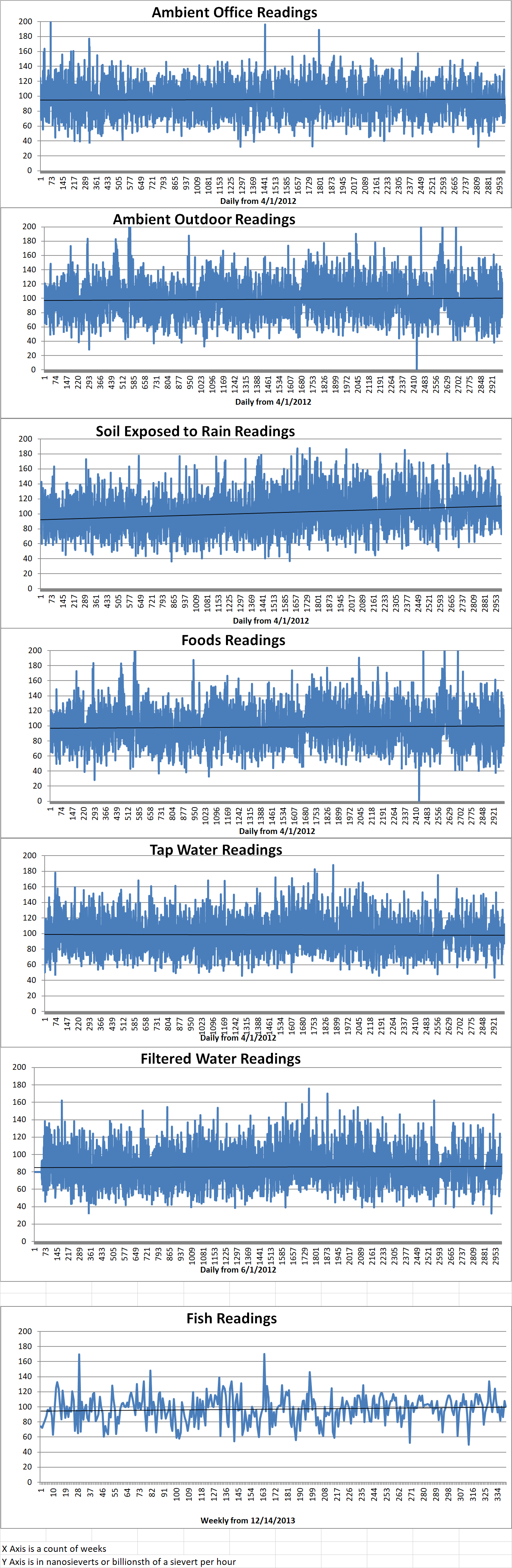
Ambient office = 71 nanosieverts per hour
Ambient outside = 73 nanosieverts per hour
Soil exposed to rain water = 73 nanosieverts per hour
Red bell pepper from Central Market = 115 nanosieverts per hour
Tap water = 112 nanosieverts per hour
Filtered water = 100 nanosieverts per hour
-
Nuclear News Roundup Sep 05, 2020
Some U.S. cities turn against first planned small-scale nuclear plant whtc.com
Nuclear power plan emergency information brochure sent to residents nny360.com
Nuclear waste project proposed near Carlsbad sees mixed response in final public hearing currentargus.com
China Cabinet Approves Two Nuclear Power Projects: State Media usnews.com
-
Geiger Readings for Sep 05, 2020
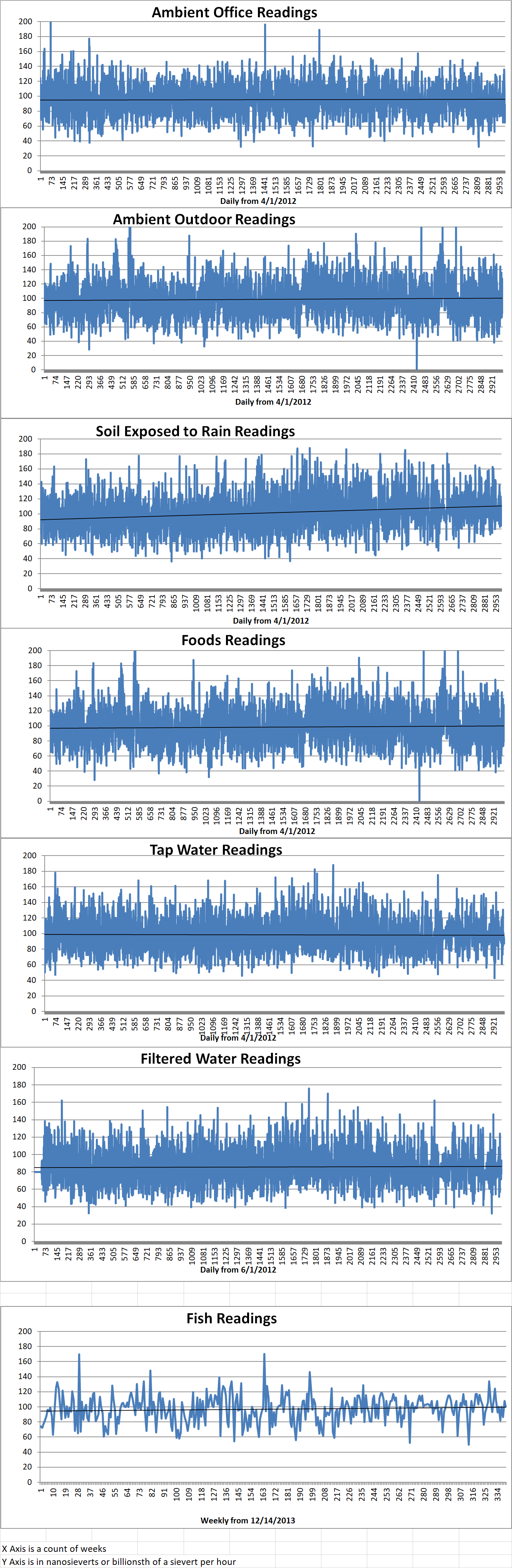
Ambient office = 83 nanosieverts per hour
Ambient outside = 102 nanosieverts per hour
Soil exposed to rain water = 104 nanosieverts per hour
Avocado from Central Market = 121 nanosieverts per hour
Tap water = 87 nanosieverts per hour
Filtered water = 78 nanosieverts per hour
Dover sole – Caught in USA = 97 nanosieverts per hour