
Part 2 of 2 Parts (Please read Part 1 first)
In a report from NMED, the agency defended it its granting of the permit for the utility shaft as a necessary measure to increase airflows in the underground facility. They also said that they were going to combine the construction of the shaft with another project to construct a New Filter Building to rebuild the WIPP’s ventilation system.
The report said that the DoE can request future permit modification requests (PMRs) as long as the WIPP’s total capacity does not exceed six million two hundred thousand cubic feet of waste as stipulated in the original WIPP Land Withdrawal Act. The report claimed that “NMED has concluded that the proposed new shaft is important for current underground operations and worker safety.”
Hancock contended that the construction of the utility shaft was part of a broader attempt to increase the amount of waste stored at the WIPP beyond the legal limit set by the Act. Hancock said, “The issue here is that this new shaft is needed to expand the WIPP facility, so it can handle more waste and stay open for longer that it’s supposed to. The public has not had a chance to discuss and talk about any of that. DoE wants to do this all in piece-meal fashion so that the public and state can never look at the big picture.”
Bobby St. John is a spokesperson for the Nuclear Waste Partnership which is the contractor hired by the DoE to run the operations at WIPP. He said, “The (DOE) Carlsbad Field Office and NWP have no comment on the appeal by Southwest Research and Information Center. WIPP will continue working with NMED.”
Maddy Hayden is a spokesperson for the NMED. She said that the TA was granted after a thorough investigation by the agency. She added that the authorization was for the construction of the shaft and did not constitute approval of the planned use of the shaft. She also said, “While we can’t comment extensively on a pending legal action, the Department spent a substantial amount of time thoughtfully and thoroughly evaluating the TA request and stands by the decision to approve the activities in the TA, which are limited to the excavation of the ventilation shaft itself but not the use of the ventilation shaft.”
There have been prior incidents of mismanagement at the WIPP. Originally, the rooms hollowed out of the old salt mine where WIPP is located were to be closed and sealed with thick doors of concrete and steel as soon as they were filled with transuranic waste. Then the operators relaxed the rules and said that a thin steel door would be sufficient to properly seal the rooms. Finally, they decided that they did not need to seal the rooms at all even after they were full. This led to the incident which closed the WIPP when a barrel in an unsealed but full room exploded and released radioactive materials. Because the room was not sealed, the radioactive particles were able to escape from underground through the ventilation system. Watchdog groups are justified in being concerned about the operation and planning going on at the WIPP when the prior mismanagement is taken into account.
Blog
-

Radioactive Waste 774 – Conflict At The Waste Isolation Processing Plant Over New Construction Project – Part 2 of 2 Parts
-
Nuclear News Roundup Jul 11, 2020
Candu unit sets North American operating record world-nuclear-news.com
£40 million to kick start next-gen nuclear technology www.gov.uk
EDF’s UK nuclear projects in doubt after Court of Audit report
‘Deeply flawed’ consultation of Essex nuclear plant should be suspended, academics claim newcivilengineer.com
-
Geiger Readings for Jul 11, 2020
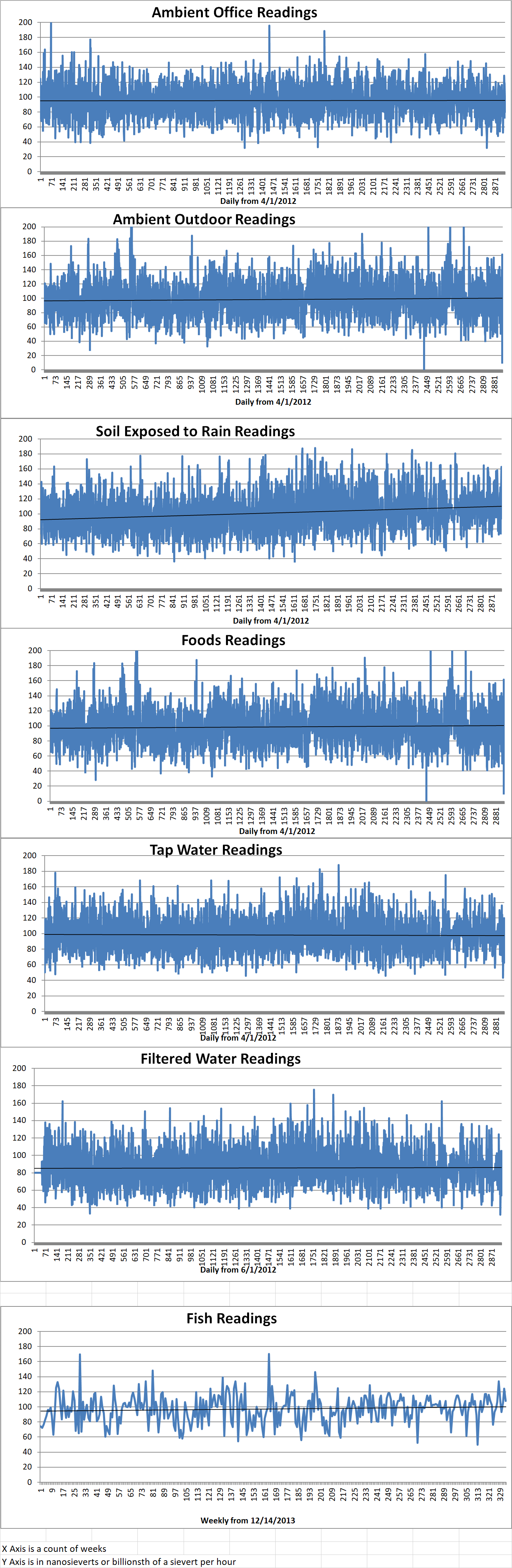
Ambient office = 82 nanosieverts per hour
Ambient outside = 94 nanosieverts per hour
Soil exposed to rain water = 94 nanosieverts per hour
Red bell pepper from Central Market = 93 nanosieverts per hour
Tap water = 116 nanosieverts per hour
Filtered water = 100 nanosieverts per hour
Dover sole – Caught in USA = 108 nanosieverts per hour
-

Radioactive Waste 773 – Conflict At The Waste Isolation Processing Plant Over New Construction Project – Part 1 of 2 Parts
Part 1 of 2 Parts.
I have written about the Waste Isolation Pilot Plant before. There was an incident involving the release of radioactive materials into the environment that shut the nuclear weapons disposal site near Carlsbad, New Mexico for years while it was dealt with. There were problems with air filters that failed to stop the release of the radioactive materials.
Now one hundred million dollars has been allocated by the Department of Energy (DoE) to build a new utility shaft in order to increase the airflow to the underground WIPP. This should allow the transuranic waste (TRU) to be emplaced and removed from different chambers simultaneously. The TRU consists of clothing and other materials including equipment contaminated by radiation during nuclear research and development activities.
The Southwest Research and Information Center (SRIC) is a nuclear watchdog group based in Albuquerque. The SRIC filed a motion in the court last April to block the New Mexico Environment Department’s (NMED) temporary approval (TA) of plans for the construction of the shaft because there had been no comment process or public hearings about the project. The SRIC filed two appeals in the New Mexico Supreme Court last week. The appeals involved blocking the construction of the utility shaft of WIPP. The SRIC is seeking to invalidate the TA for the project. It also petitioned the court for a review of the court’s dismissal of the April motion filed by SRIC.
Don Hancock is the Nuclear Waste Program Director at the SRIC. He said that he hoped that the new motions would force the court to reanalyze NMED’s approval process of the TAs and find that it was invalid. He also said that the court had dismissed the previous motion from the SRIC because the DoE had not yet come to a final decision about whether or not the utility shaft would actually be built. However, the TA granted the DoE a year to construct the shaft if it decided to proceed with the project.
Hancock said, “They (the court) need to not take a lawyer’s word for it. The TA gives them one year for construction. NMED ignored the comments and went ahead and approved it. Now, they’ve said they might change their mind. That’s not credible.”
Hancock argues that the utility shaft is not really needed for regular WIPP operations. He said that the utility shaft was really intended to support the expansion of the WIPP which would allow it to operate longer than originally intended and to hold more waste than planned. He also said that any expansion in WIPP’s lifetime and capacity should be submitted for public approval before any work on the shaft was allowed.
A draft permit for the utility shaft project was granted by NMED on the 12th of June. A public comment period was opened that will continue until the 11th of August. Anyone who is interested in commenting on the plans for the utility shaft should submit their comment in an email to ricardo.maestas@state.nm.us. or a written letter addressed to WIPP Project Manager Ricardo Maestas at NMED’s Hazardous Waste Bureau, 2905 Rodeo Park Drive East, Building 1, Santa Fe New Mexico.
Please read Part 2 next -
Nuclear News Roundup Jul 10, 2020
Nuclear Technology Helps to Develop Heat-Tolerant Tomato Varieties in Mauritius marketscreener.com
Nuclear commission recommends minor safety improvements for reactors en.yna.co.kr
Book Review: Voices From a Slow-Moving Nuclear Calamity undark.org
UK sees no transboundary issues with Sizewell C world-nuclear-news.org
-
Geiger Readings for Jul 10, 2020
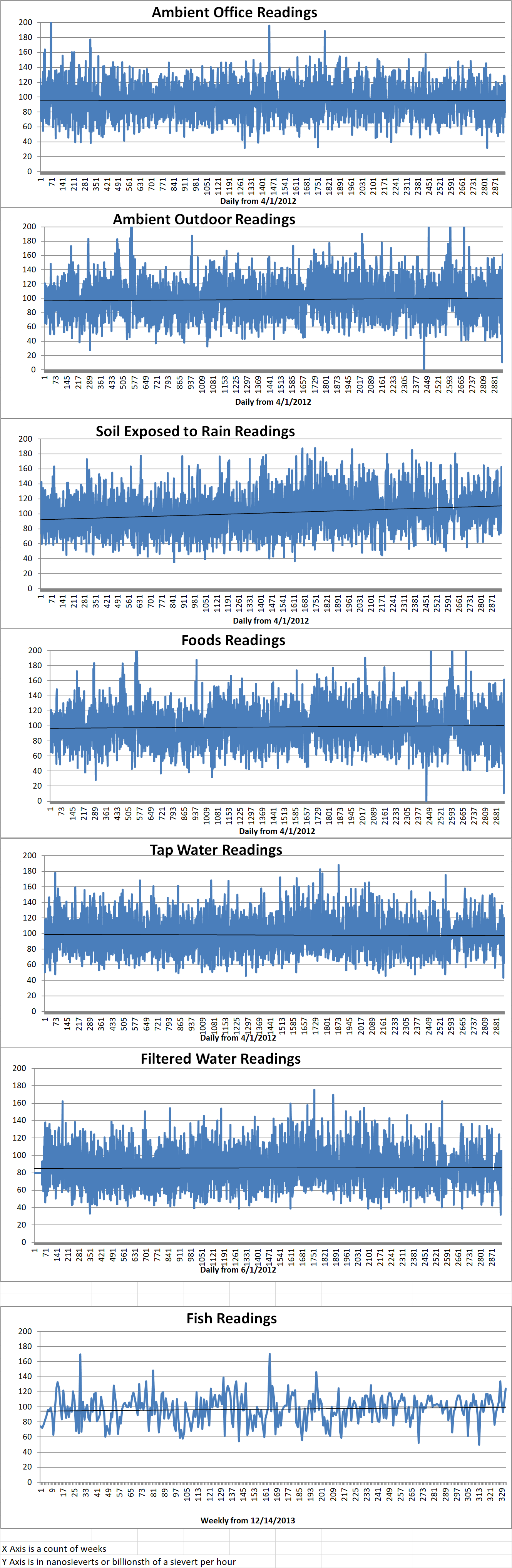
Ambient office = 80 nanosieverts per hour
Ambient outside = 130 nanosieverts per hour
Soil exposed to rain water = 130 nanosieverts per hour
Blueberry from Central Market = 128 nanosieverts per hour
Tap water = 120 nanosieverts per hour
Filtered water = 105 nanosieverts per hour
-

Nuclear Weapons 730 – Fire At Iranian Natanz Nuclear Facility May Have Been Sabotage – Part 2 of 2 Parts
Part 2 of 2 Parts (Please read Part 1 first)
In recent months there have been dozens of incidents including fires at industrial complexes in Iran and Israel is being blamed for those too.
Since Thursday, there have been explosions at two power plants in Iran. There was a chlorine gas leak at a chemical plant. These three incidents were called accidents by the Iran government. During the previous week, there was an explosion at a missile production facility at the Khojir military complex in eastern Tehran. Iranian officials said that it was caused by the detonation of a gas tank. The M.E. intelligence official who claimed that Israel was responsible for the explosion and fire on Thursday said that Israel was not responsible for the other incidents.
Iranian officials have said that they know the cause of the fire and damage at Natanz but they are withholding that information. Behrouz Kamalvandi is a spokesman for the Atomic Energy Organization of Iran. He said on Sunday that the damage at Natanz would slow work on advanced centrifuges. He also said that “The damaged warehouse was designed for the final stages of advanced centrifuges and assembly of these machineries.”
Investigators have considered the possibility that Natanz was hit by a cruise missile of drone, but they say that it is more likely that someone carried a bomb into the building. If this was the case, they don’t yet know who did it or how it was done. They did say that if a bomb was smuggled in, it does indicate that there are holes in the building’s security.
Under the terms of the 2015 nuclear deal with the U.S., China, Russia and the European powers, Iran agreed to surrender much of its enriched uranium and to limit the future level of enrichment as well as the number of centrifuges that it operates. However, since President Trump pulled the U.S. out of the deal with Iran, it has increased the enrichment of uranium far beyond the limits set by the deal.
The Mossad claims that it has recently prevented a series of planned Iranian attacks on Israeli embassies around the world. The intelligence agency has stopped “terrorist” plans in Europe and elsewhere. This was reported by Israel’s Channel 12 which said that Iran was behind the planned attacks. The Iranians are becoming increasingly frustrated by what they consider to be the Israeli covert operations against them both inside and outside Iran.
The M.E. has been on the brink of a major war for years and it would take much to push it over the edge. If the Iranians do not stop working on acquiring nuclear weapons, the Israelis are going to continue to attack their nuclear facilities. This will most likely lead to war.
Israel says that it intends to annex portions of Palestinian territories where Israelis have been settling. If they proceed with this intention, then Arab groups are planning on starting a new intifada which could expand to the whole region and plunge it into an open war.
And, finally, if Iran does succeed in manufacturing their own nuclear weapons, then Israel will consider using their nuclear arsenal to attack Iran. If there is a wide conventional war against Israel and Israel is afraid that it is losing, it may consider using nuclear weapons against other Arab nations which could result in a general collapse of human civilization as the devasting effects of damage to the climate starve billions of people. -
Nuclear News Roundup Jul 09, 2020
Would Biden Rejoin the Iran Nuclear Deal? English.aawsat.com
Source: “Nuclear facility” in Pyongyang is just a school dailynk.com
EDF says French nuclear output tumbled 25% in June due to pandemic af.reuters.com
Russia plans first dedicated medical isotope facility world-nuclear-news.org
-
Geiger Readings for Jul 09, 2020
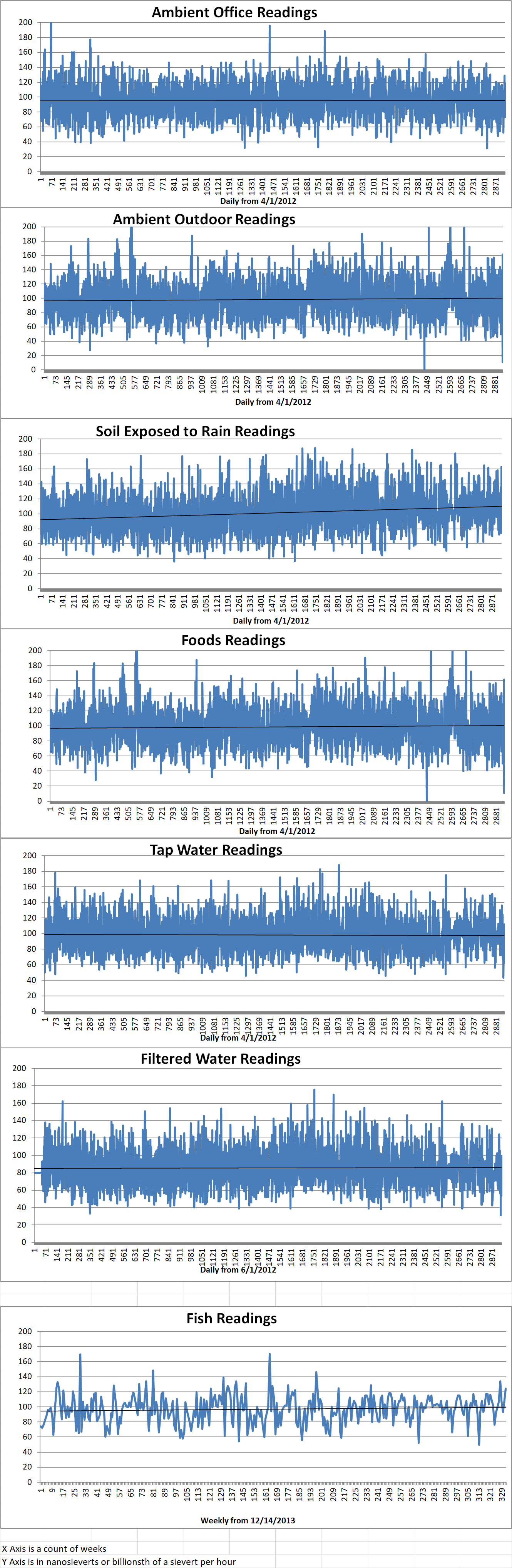
Ambient office = 95 nanosieverts per hour
Ambient outside = 163 nanosieverts per hour
Soil exposed to rain water = 163 nanosieverts per hour
Blueberry from Central Market = 162 nanosieverts per hour
Tap water = 63 nanosieverts per hour
Filtered water = 54 nanosieverts per hour