
Part 1 of 2 Parts
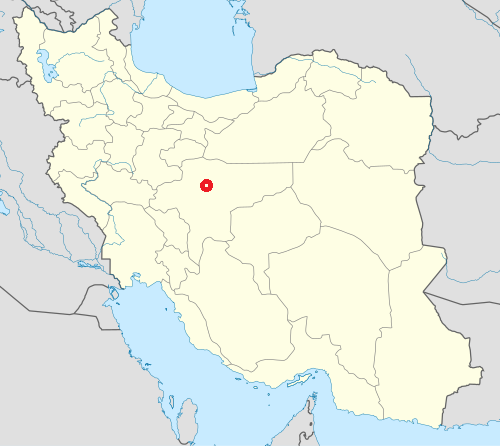
It has been reported that on Thursday, an explosion and fire at Iran’s main nuclear enrichment plant has caused significant damage. The “industrial shed” that was reportedly destroyed by the explosion turned out to be a facility for the assembly of centrifuges which would be used in Iran’s prohibited enrichment of uranium. The Iranian government admitted that this set the country’s nuclear program back by months. Initially, the government had said that there was only minor destruction at the plant.
A Middle East intelligence official with knowledge of the fire claimed that Israel was responsible for the attack on the Natanz nuclear complex on Thursday. A powerful bomb caused the fire and the destruction. A member of the Islamic Revolutionary Guard Corps who had been briefed on the event confirmed that explosives were used. Both of these officials were only willing to speak on the condition of anonymity when discussing sensitive intelligence and operatioinal topics.
Iran has focused its suspicion on Israel and the U.S. Both of these countries have sabotaged Iran’s nuclear program in the past. They have vowed that they will keep Iran from ever developing nuclear weapons. Israel and the U.S. have used cyberattacks to damage Iran’s nuclear program but cyberattacks were not involved in the fire at the Natanz nuclear complex.
There was no way to verify the claimed involvement of Israel independently. Israel’s intelligence network has demonstrated its ability to strike in the heart of Iran. The Mossad, the Israeli intelligence agency, broke into a warehouse in Tehran in 2018 and stole over half a ton of secret records that document Iran’s nuclear project. The documents were smuggled out of Iran. Many of the Iranian documents were turned over by the Mossad to the International Atomic Energy Agency. Included in the documents were new clues about where Iran may be hiding forbidden equipment and nuclear raw materials.
If the damage at Natanz was an attack by a foreign power, it demonstrates Iran’s vulnerability as its economy continues to be strangled by sanctions imposed by the hostile Trump administration in the U.S. In addition, Iran is being ravaged by the Covid-19 pandemic.
Tehran is being increasingly isolated internationally. Even countries opposed to the stringent sanctions imposed by the U.S. have recently join the accusers who say that Iran is hiding nuclear weapons development from international inspectors.
On Sunday, Israeli officials were vague in their response when asked about possible involvement in an attack on Natanz although they did talk about the danger of a nuclear-armed Iran. Defense Minister Benny Gantz said on Sunday in a radio interview that “Everyone can suspect us in everything and all the time, but I don’t think that’s correct. Not every event that happens in Iran is necessarily related to us.” Foreign Minister Gabi Ashkenazi, at a conference on Sunday that “Iran cannot be allowed to have nuclear capabilities. So, we take actions that are better left unsaid.”
Please read Part 2 next
Blog
-
Nuclear Weapons 729 – Fire At Iranian Natanz Nuclear Facility May Have Been Sabotage – Part 1 of 2 Parts
-
Nuclear News Roundup Jul 08, 2020
North Korea turns away US official aiming for nuclear talks nypost.com
Estevan Chamber Backs Possible Nuclear Power Push discoverestevan.com
Gas to nuclear? Dominion looks beyond pipeline’s demise eenews.net
Breakingviews – China-UK feud could spill over into nuclear power reuters.com
-
Geiger Readings for Jul 08, 2020
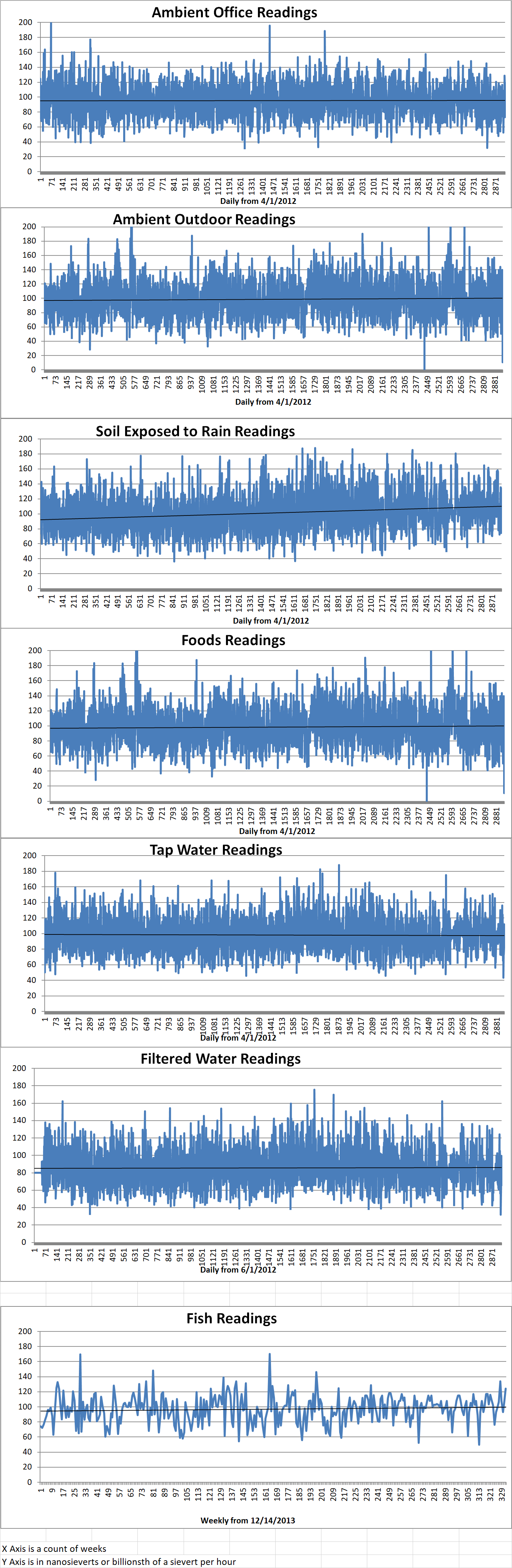
Ambient office = 119 nanosieverts per hour
Ambient outside = 134 nanosieverts per hour
Soil exposed to rain water = 134 nanosieverts per hour
Onion from Central Market = 133 nanosieverts per hour
Tap water = 87 nanosieverts per hour
Filtered water = 66 nanosieverts per hour
-

Researchers In South Korea Are Developing A Drug For Radiation Protection
Radiation is used in a wide variety of diagnostic and treatment procedures in medicine. In spite of a great deal of research dedicated to the problem, there is still no widely used drug or material that can provide protection from radiation exposure. Amifostine is a drug that was specifically developed as a radioprotectant. However, the FDA only approved its use to protect salivary glands. Repeated injections are necessary in order for it to be effective. It can pose severe threats to health due to systemic toxicity and complications when it is applied under total body irradiation conditions.
Researchers at the Center for Nanoparticle Research, within the Institute for Basic Science (IBS, South Korea) in collaboration with their colleagues at Seoul National University, School of Dentistry and Dental Research Institute, have reported that they have developed a highly effective and safe nanocrystal which can be used to combat dangerously high doses of radiation. Manganese oxide (Mn3O4) nanocrystals are grown on top of Cerium oxide (CeO2) nanocrystals. This increases their catalytic activity to prevent dangerous side effects of deadly radiation.
Hyeon Taeghwan is the director of the IBS Center for Nanoparticle Research (Seoul National University Distinguished Professor). He says, “Excessive reactive oxygen species (ROS) are found in a number of major diseases including sepsis, cancer, cardiovascular disease, and Parkinson’s disease, just to name a few. A powerful antioxidant that can work at low doses only can ensure sustainable applications of radiation in medical, industrial and military settings and more. These new CeO2/Mn3O4 hetero-structured nanocrystals are five times stronger than when CeO2 or Mn3O4 does the job alone.”
When a human body is exposed to high levels of radiation, a huge amount of ROS are generated within milliseconds. This is caused by the decomposition of water molecules. These ROS cause severe cell damage and often lead to death. The research team studied CeO2 and Mn3O4 nanoparticles because they are known for their abilities to scavenge ROS. The problem that had to be solved was exactly how these powerful antioxidant nanomaterials could be used in a safe and economic way. While CeO2 and Mn3O4 nanoparticles are very effective in removing ROS, they can only accomplish this in very high doese. They are also difficult to source rare materials.
The research team employed the approach that is usually taken in work on catalysts. This consists of stacking nanoparticles with different lattice parameters which results in surface strain and increases the oxygen vacancies on the surface of the nanocrystal. Han Sang Ihn is the first author of the study. He explains that “The synergistic effect of the strain generated on Mn3O4 and the increased oxygen vacancy on the CeO2 surface improved the surface binding affinity of the ROS, boosting the catalytic activity of the nanocrystals.” Cho Min Gee is the the co-first author of the study. He says that “Strain engineering of nanocrystals, mainly studied in the field of catalysts, has now been extended to the medical field to protect cells from ROS-related diseases.”
The research team investigated the safety as well as the effectiveness of these new nanocrystals. Molecular dynamics are analyzed by using acute radiation models of human intestinal organoids. Sang-woo Lee says, “Organoids pretreated with the CeO2/Mn3O4 nanocrystals expressed more genes that were related to proliferation and maintenance of intestinal stem cells and fewer cell-death genes, compared with the no-pretreatment group.”
In a study on mice, the CeO2/Mn3O4 nanocrystals significantly increased the survival rate of the mice to sixty seven percent with a very small dose equivalent to 1/360th of an injection dose of Amifostine. The nanocrystals decreased the oxidative stress to internal organs, circulation, and bone marrow cells. There was no significant sign of toxicity,
Park Kyungpyo is a professor at Department of Dentistry, Seoul National University. He says, “To ensure a safe and wide application of a radioprotectant in the clinic, the key is to maintain high catalytic efficacy in low doses. These CeO2/Mn3O4 nanocrystals prove their powerful antioxidant effects to protect our whole body effectively just in small doses.” -
Geiger Readings for Jul 07, 2020
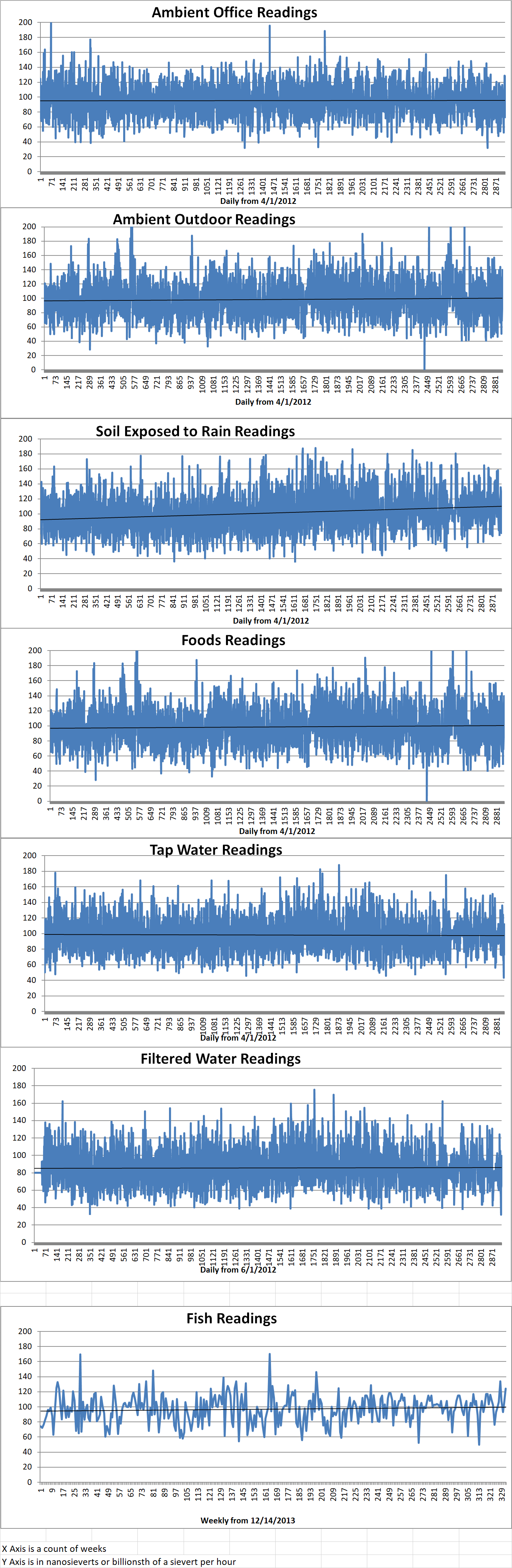
Ambient office = 73 nanosieverts per hour
Ambient outside = 91 nanosieverts per hour
Soil exposed to rain water = 96 nanosieverts per hour
Avocado from Central Market = 125 nanosieverts per hour
Tap water = 112 nanosieverts per hour
Filtered water = 100 nanosieverts per hour
-
Nuclear News Roundup Jul 07, 2020
EU lawmakers ban nuclear from green transition fund, leave loophole for gas reuters.com
Five Halifax councillors wouldn’t support letter advocating abolition of nuclear weapons halifaxexaminer.ca
‘Reckless’ and ‘irregular’ new hires at nuclear plant during lockdown moneyweb.co.za
Nuclear worker with COVID-19 dies, SC plant officials say thestate.com
-
Nuclear Reactors 801 – Moorside Clean Energy Hub Seeks To Combine Nuclear Power Plant With SMRs and AMRs
In the U.K., a group of major companies, trade unions and individuals have collaborated to launch the Moorside Clean Energy Hub initiative (MCEH). The initiative features a package of nuclear projects for Moorside in Cumbria which is located in north-west England. The projects include a new three-gigawatt UK EPR nuclear power plant, small modular reactors (SMRs) and advanced modular reactors (AMRs). There are also links to new technologies such as renewable energy and hydrogen gas production.
The MCEH plans on taking advantage of the design, replication and project experience from the Hinkley Point C U.K. EPR and the additional Sizewell C project to develop the Moorside Hub. They are also offering to host SMRs and AMRs research projects. The MCEH will be co-locating future technologies next to U.K. EPR technology. This will bring together a range of skills, experience and industry knowledge at one location which will help facilitate the development of the SMRs and AMRs. The MCEH will connect the nuclear plants to other energy technologies such as renewable energy generation, hydrogen production and energy storage. The MCEH will research ways of supplying clean heat to industry. Hydrogen gas will also be produced to be used as fuel for location transportation and local industry.
The NCEH includes: Altrad; Atkins; Balfour Beatty Bailey; Bilfinger; Cavendish Nuclear; Doosan Babcock; EDF; GMB; Jacobs; Laing O’Rourke; Mott MacDonald; Mace; Prospect; Quod; Unite the Union; and economic development specialist John Fyfe. Several of the companies in the MCEH are also involved in the construction of Hinkley Point C, and many are involved in Sizewell C.
Hinkley Point C is under construction in Somerset in south-west England. The project has already created over ten thousand jobs and spending of more than two billion dollars in the local economy. The Development Consent Order for Sizewell C was accepted for examination by the U.K. planning Inspectorate last week. The work on Sizewell C has indicated that the design for Hinkley Point C can be replicated in different ground conditions. The nuclear power plant could also offer low-carbon heat as well as electricity.
Moorside is located to the north of the Sellafield nuclear facility. The NuGeneartion consortium had chosen the site to build a nuclear power plant that would generate almost four gigawatts of electricity. They had chosen Westinghouse AP1000 reactor technology for the plant. At the time, Toshiba of Japan was the sole owner of NuGeneration. In November of 2018, Toshiba announced that it was withdrawing from the new build at the Moorside site and NuGeneration project was brought to a close. NuGeneration had purchased the Moorside site from the U.K. Nuclear Decommissioning Authority in 2009. The site remains designated by the U.K. government for new nuclear builds.
The Nuclear Industry Association (NIA) in the U.K. just announced that it welcomed new proposals for the Moorside site. Tom Greatrex is the CEO of the NIA. He said that there was serious interest from developers and great support from the local community, supply chain and trade unions. This the level of excitement around the nuclear potential to boost economic regeneration while meeting environmental goals.
Greatrex said “These are exactly the attributes the country needs to bounce back from COVID-19, deliver jobs, and get us on track to hit Net Zero. Large scale and smaller, next generation technologies have a huge amount to offer working as part of the clean energy hub concept. They can deliver clean electricity and achieve deeper decarbonization through the creation of hydrogen, clean fuels and district and industrial heating.” -
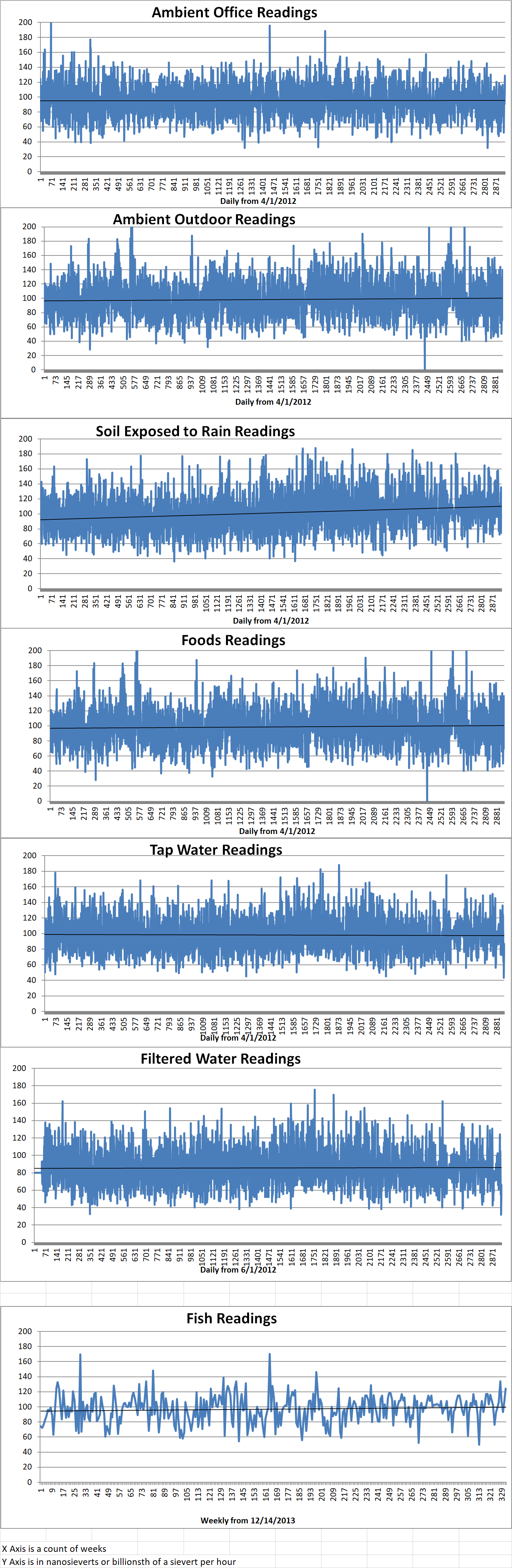
Geiger Readings for Jul 06, 2020
Ambient office = 110 nanosieverts per hour
Ambient outside = 95 nanosieverts per hour
Soil exposed to rain water = 95 nanosieverts per hour
Tomato from Central Market = 140 nanosieverts per hour
Tap water = 85 nanosieverts per hour
Filtered water = 66 nanosieverts per hour
-
Nuclear News Roundup Jul 06, 2020
Guest column: New Mexico nuclear facility is bad news m.lasvegassun.com
EU lawmakers ban nuclear from green transition fund, leave loophole for gas finance.yahoo.com
Kazatomprom extends reduced operations world-nuclear-news.org
EDF revises 2020 forecast for French nuclear output world-nuclear-news.org
-
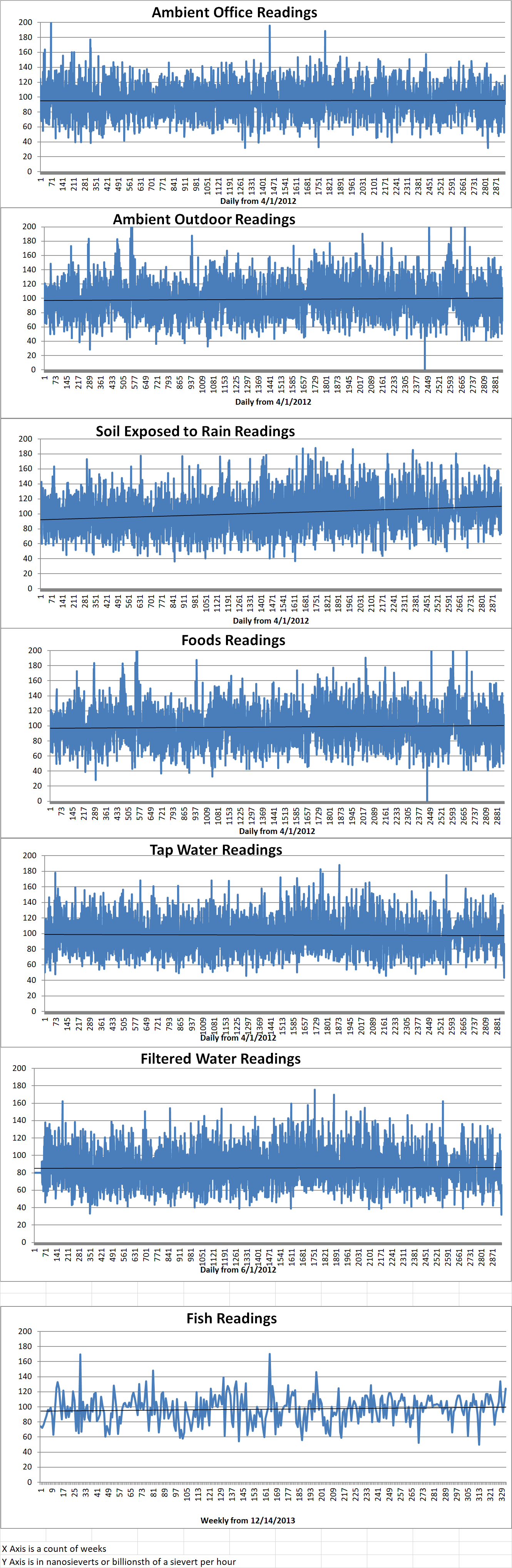
Geiger Readings for Jul 05, 2020
Ambient office = 128 nanosieverts per hour
Ambient outside = 79 nanosieverts per hour
Soil exposed to rain water = 74 nanosieverts per hour
English cucumber from Central Market = 114 nanosieverts per hour
Tap water = 73 nanosieverts per hour
Filtered water = 66 nanosieverts per hour