
Part 3 of 4 Parts (Please read Part 1 and Part 2 first)
The NEI petition goes on to say that such a narrowing of NRC cybersecurity regulations would result in a substantial reduction in burden for nuclear plant operators’ employment of digital equipment. At the same time, it would ensure adequate protection against cyberattacks.
The NEI petition triggered a review of cybersecurity regulations at the NRC that is still going on. The NRC is currently conducting cybersecurity inspections of all U.S. nuclear power reactors. The NRC hopes to finish the inspections by the end of 2020.
Edwin Lyman is the action director of the Nuclear Safety Project at the Union of Concerned Scientists. He said that the NRC caution about the revision of cybersecurity regulations is appropriate. He also said that cybersecurity threats were unpredictable. This means that the regulation of digital hardware and software at nuclear power plants should be as broad as possible. “By narrowing [the guidance], you are assuming you know exactly what the adversary is going to do, and that’s a mistake.”
Lyman has pointed out that a piece of equipment that would not seem to be related to a radiological sabotage attempt might be critical if there was a simultaneous physical attack on a nuclear power plant. As an example, hacking the communication devices used by plant security would not, in itself, be a radiological threat. However, if the communication devices were hacked while the plant was under physical attack that threatened the integrity of the core, the ability of plant security personnel to respond to the attack might be compromised.
Bill Gross is a cybersecurity expert working for the NEI. He said that the nuclear industry in the U.S. has strong cybersecurity policies and can defend against a variety of attacks. One of the main lines of defense is “air gapping.” In addition, “we don’t let portable media or the laptops we use to go outside the plant. We keep them in the plant in the maintenance locker.” If a device could contain a virus, trojan horse, malware or worm, it is firescanned as it is taken from the locker and firescanned when it is returned to the locker. Gross said that the challenges associated with adding more digital instruments and controls to nuclear power plants is “not a hurdle that’s beyond what the utilities are more than willing to put up with to get the safety benefits they could get from modernizing their older systems.”
The safety benefits of installing digital instruments and controls follow from the improvement of reactors operations in general. Several reactors in the U.S. have recently been retired early because it was too expensive to maintain and operate them in the current low power price U.S. marketplace. Additional U.S. nuclear power plants face the same fate. Digital controls can lower the cost of nuclear plant operation and can also assist in capturing more revenues.
Please read Part 4 next
Blog
-

Nuclear Reactors 733 – Purdue University Is Researching Cybersecurity For Digital Upgrades To Nuclear Power Reactors Safety Systems – Part 3 of 4 Parts
-
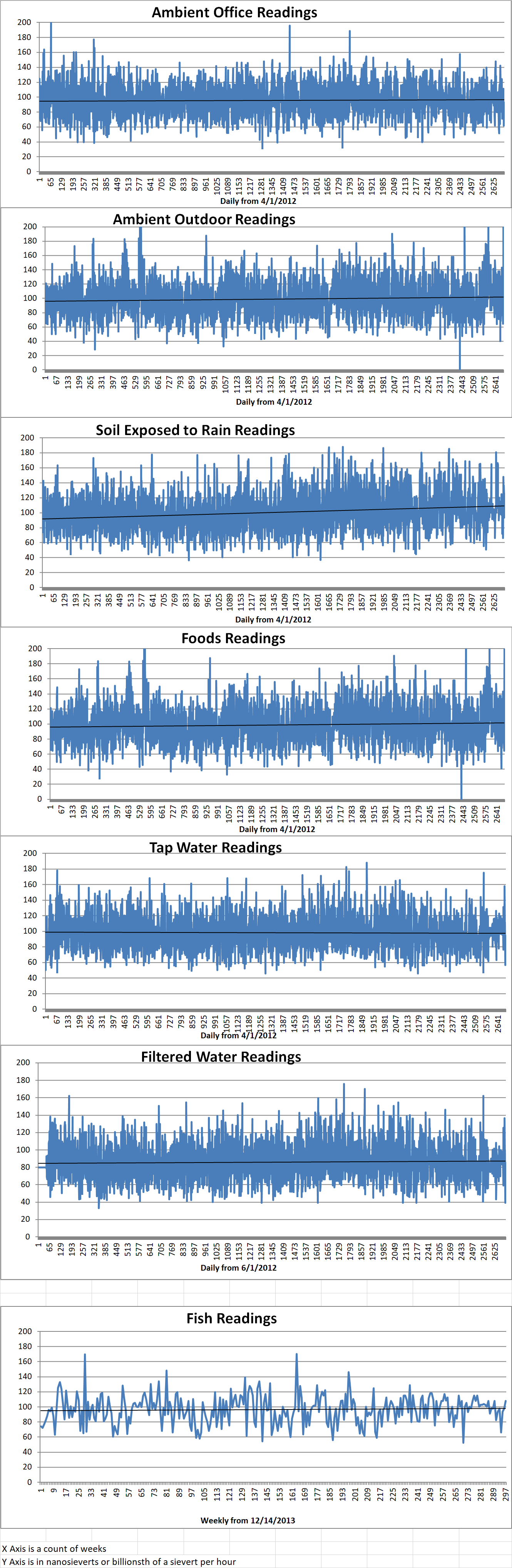
Geiger Readings for Nov 07, 2019
Ambient office = 88 nanosieverts per hour
Ambient outside = 103 nanosieverts per hour
Soil exposed to rain water = 103 nanosieverts per hour
Bartlett pear from Central Market = 98 nanosieverts per hour
Tap water = 94 nanosieverts per hour
Filtered water = 85 nanosieverts per hour
-
Nuclear Reactors 732 – Purdue University Is Researching Cybersecurity For Digital Upgrades To Nuclear Power Reactors Safety Systems – Part 2 of 4 Parts
Part 2 of 4 Parts (Please read Part 1 first)
Doug True is the chief nuclear officer for the Nuclear Energy Institute (NEI), a nuclear power industry trade group. He was one of the speakers at a May briefing for the Nuclear Regulatory Commission about digital instrumentation and control. He said, “We have plants that are aging, we have plants that are making decisions about moving into subsequent license renewal where digital controls are important.”
Last week, the NRC granted a license renewal for the Turkey Point nuclear power plant owned by Florida Power & Light to operate for another twenty years. If Turkey Point continues to operate for the entire renewal period, it will be the first U.S. nuclear power reactor to operate for eighty years.
Dominion Energy is also applying for a license renewal for their Surry Power Station in Virginia. The two reactors at Surry have been operating since 1972 and 1973 respectively. Unless their licenses are extended, they will have to cease operation in 2032 and 2033 respectively. Kenneth Holt is a Dominion Energy spokesman. He said, “We are evaluating converting several analog systems to digital.”
The systems that Dominion is considering for conversion include the “annunciators” which are the big panels in the reactor control rooms which have lights to indicate warning signs about the status of the reactors. The systems that show the position of the control rods in the reactor cores will also be converted. Holt said, “It is difficult to find replacement parts for many of the analog. In some cases, the manufacturer went out of business 20 years ago.”
There are very strict rules about cybersecurity at U.S. nuclear power plants. These may pose a challenge when it comes to installing more digital equipment at a nuclear power plant. Any digital service or piece of software that is connected to systems meant to prevent radiological sabotage must be continuously scanned and updated. Additional actions must be taken to ensure that such devices and software have not been and cannot be compromised by cyberattacks. In addition, any member of the staff who has access to this hardware and software must undergo regular background checks as well as tests for reliability, trustworthiness and psychological stability.Please read Part 3
-
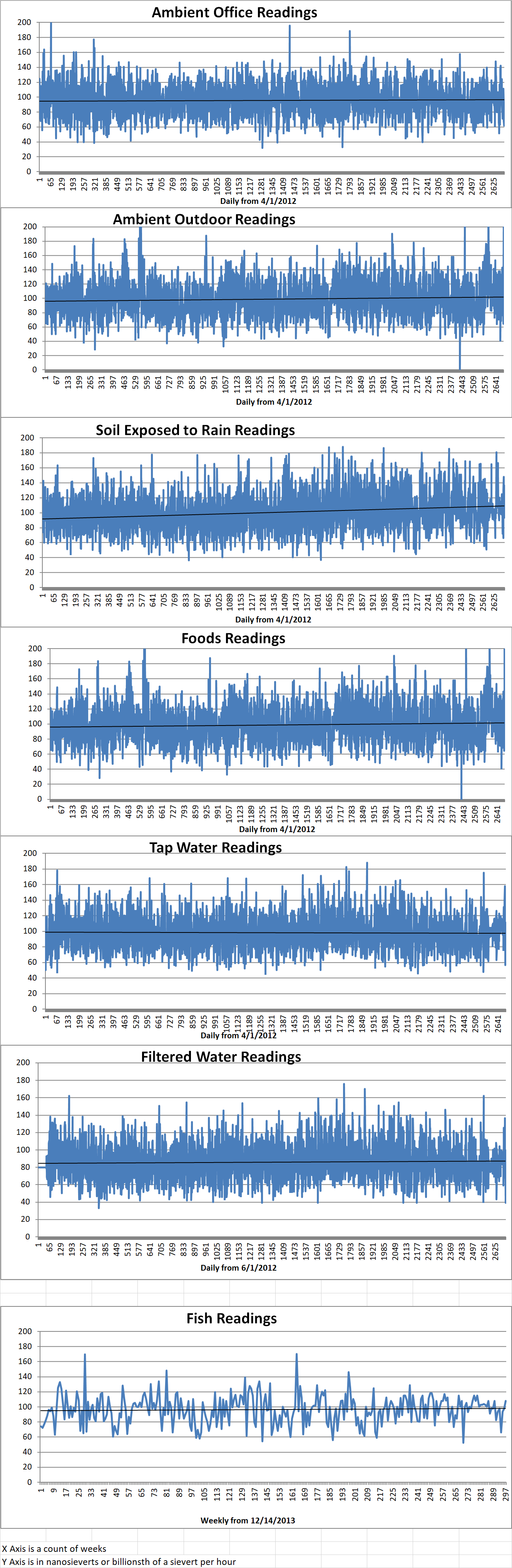
Geiger Readings for Nov 06, 2019
Ambient office = 93 nanosieverts per hour
Ambient outside = 119 nanosieverts per hour
Soil exposed to rain water = 125 nanosieverts per hour
Tomato from Central Market = 109 nanosieverts per hour
Tap water = 62 nanosieverts per hour
Filtered water = 41 nanosieverts per hour
-

Nuclear Reactors 731 – Purdue University Is Researching Cybersecurity For Digital Upgrades To Nuclear Power Reactors Safety Systems – Part 1 of 4 Parts
Part 1 of 4 Parts
My last two posts concerned protecting the physical safety of nuclear power plants in the U.S. Those posts highlighted the danger of drone attacks which critics say are not getting enough attention. However, there are other areas of vulnerability such as possible cyber-attacks.
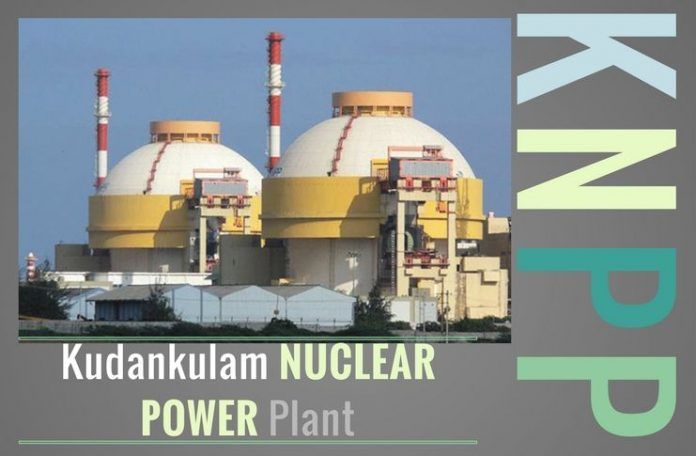
The Kudankulam Nuclear Power Plant is the biggest nuclear power plant in India. It recently suffered a cyber attack on its administrative computers from a North Korean virus called Dtrack. Apparently, the purpose of the intrusion was the theft of technical files. The control computers that operate the reactors are protected so only the files on the administrative computers were accessible.
Researchers at Purdue University (PU) are working on cybersecurity issues for nuclear reactors. Their project involves demonstrating how a nuclear reactor can be equipped with all-digital, network connected instruments and controls while at the same time being safe from someone trying to hack those digital instruments and control systems.
Earlier this year, U.S. federal regulators granted PU a license to refit the Purdue University Reactor Number One with all digital controls. This research reactor has been operating since 1962. The Purdue reactor and many commercial reactors still operate with analog tubes and wires. These were the state-of-the art for process monitoring and control when they were installed in reactors but the technology for controlling safety systems in nuclear power systems has advanced enormously since then.
Nuclear power plants have been installing some digital systems for decades but there are many analog systems still being used to prevent the potential release of dangerous radioactive materials. In order to maintain cybersecurity, critical digital control systems are physically isolated from the Internet and other external networks. This practice is referred to as “air gapping,”
At PU, the researchers are deliberately wirelessly connecting the critical digital instrument and control systems to external networks. The researchers assume that their digital systems can be hacked and are working on how the safety of a nuclear reactor can be ensured in the face of potential cyberattacks. Clive Townsend is the PU reactor supervisor. He asked, “Can we detected that there was an intrusion and how does that affect the rest of the facility?”
The U.S. nuclear industry is eager to adopt digital technology to monitor and control of critical nuclear reactors systems, especially those concerned with reactor safety. The existing U.S. nuclear power reactor fleet is aging and few new nuclear reactors are being built to replace the old reactors. If nuclear power plants are going to contribute significantly to the U.S. generation of low carbon electricity, it will be necessary to extend the life of the old reactors. In view of this fact, the industry has been encouraging the adoption of digital systems for extending the life of old reactors. One of the advantages of digital controls is that it is easier to replace digital systems as the reactors age than to repair the old analog systems.
Please read Part 2 -
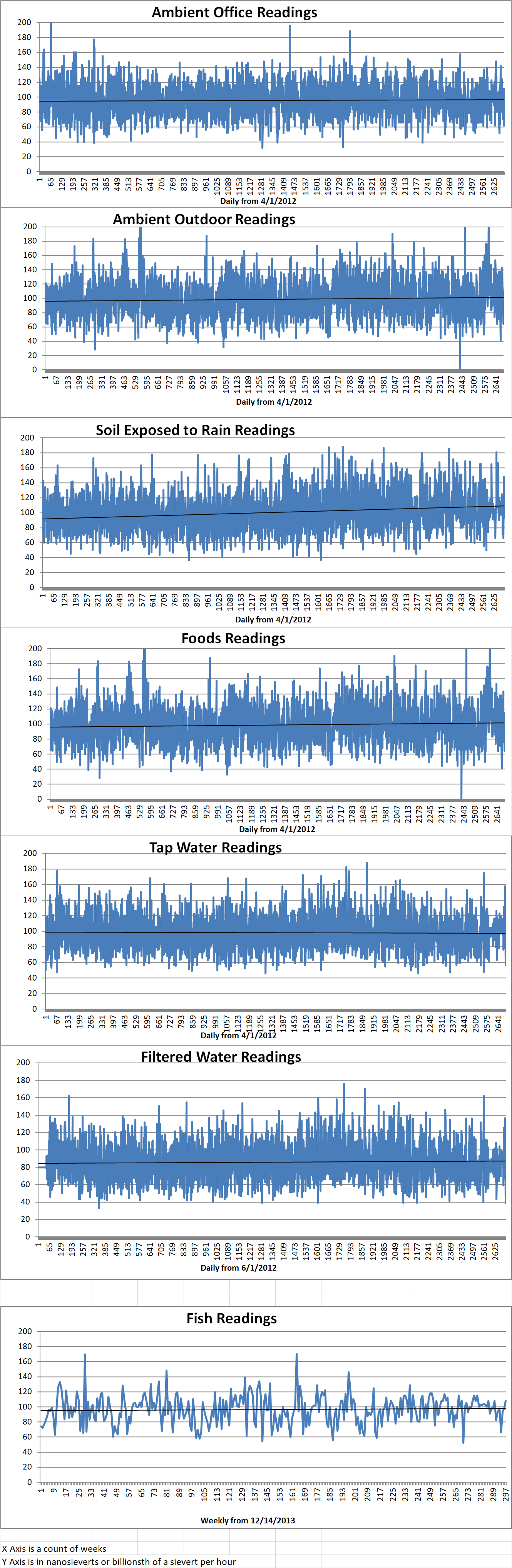
Geiger Readings for Nov 05, 2019
Ambient office = 62 nanosieverts per hour
Ambient outside = 91 nanosieverts per hour
Soil exposed to rain water = 93 nanosieverts per hour
Red bell pepper from Central Market = 93 nanosieverts per hour
Tap water = 57 nanosieverts per hour
Filtered water = 39 nanosieverts per hour
-
Nuclear Reactors 730 – The Kudankulam Nuclear Power Plant in India Was Attacked By A North Korean Computer Virus
Pukhraj Singh is a former analyst at India’s National Technical Research Organization (NTRO). In a report, he connected a malware report published by VirusTotal to a cyberattack on the computers at the Kudankulam Nuclear Power Plant (KNPP). Singh says that a North Korean virus called Dtrack managed to achieve “domain-controller level access” at Kudankulam. His findings have been reported to the Indian government.
It does not appear that the attack affected any of the controls for the reactors, but research and technical data may have been stolen. It seems that the target of the attack was a collection of technical information. The attack employed a Windows SMB network drive share with credentials hard-coded in the malware which collected targeted files. North Korea’s Lazarus threat group was connected to Dtrack based on the fact that similar code was found in DarkSeoul, an attack by malware that erased hard drives in South Korean banks and media groups in 2013.
Singh mentioned the attack in a September 7th tweet. He wrote, “I just witnessed a casus belli in the Indian cyberspace and it sucks at every level.” He admitted that he learned of it attack from a “a third party.” Singh presented the information to India’s National Cyber Security Coordinator on September 4. The third-party Singh mentioned had shared indicators of compromise “over the preceding days.” The virus tracking organization Kaspersky made the identification of the virus with Dtrack after Singh reported it.
Officials at Kudankulam have stated that the computers that actually run the reactor are isolated from the administrative computers and are immune from cyberattack. They have not said what valuable information may have been stolen from the administrative computers. Kudankulam issued a press release in which the training superintendent and information officer for the KNPP said that the plant “and other Indian Nuclear Power Plants Control Systems are standalone and not connected to outside cyber network and the Internet… Any Cyber attack on the Nuclear Power Plant Control System is not possible.” The officials at the plant claimed that the two reactors at the plant are currently up and running “without any operational or safety concerns.”
KNPP is the biggest nuclear power plant in India. Controversy has bedeviled the plant since construction started in 2002. Local activists including fishermen managed to delay the activation of KNPP by a decade. There are plans for KNPP to collaborate with the Russian Atomstroyexport in the construction of and operations of a total of six nuclear power reactors but for the present there are only two operating reactors at KNPP. There have been many reports of safety violations at the plant. The plant has no offsite spent nuclear fuel storage facility. There was a court battle over whether or not the plant should be allowed to operate until such a facility had been constructed.
The reactors at KNPP have been shut down seventy times since the reactors were turned on in 2013. On October 19 of this year, the second reactor at KNPP was shut down because there was a fault in the reactor’s steam generation. The officials claim that that shutdown was not related to the Dtrack virus.