
Blog
-
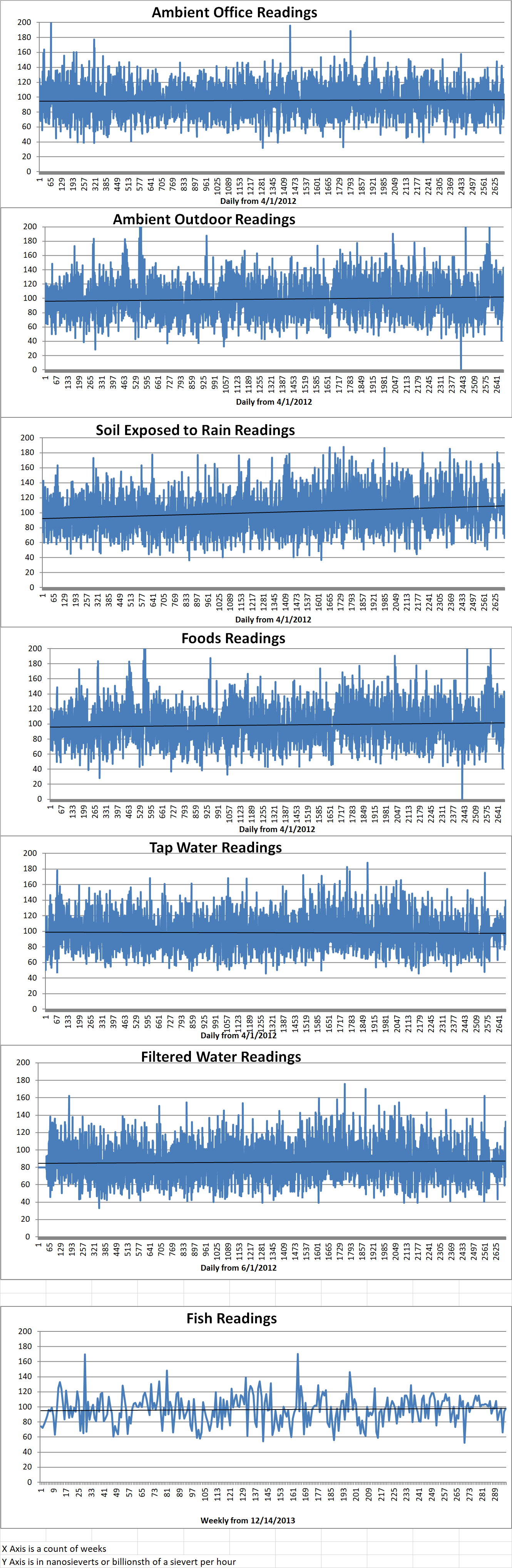
Geiger Readings for Oct 31, 2019
Ambient office = 88 nanosieverts per hour
Ambient outside = 128 nanosieverts per hour
Soil exposed to rain water = 130 nanosieverts per hour
Red bell pepper from Central Market = 115 nanosieverts per hour
Tap water = 140 nanosieverts per hour
Filtered water = 133 nanosieverts per hour
-

Nuclear Reactors 727 – Use Of AI To Schedule Maintenance Outages At Ontario Power Generation – Part 1 of 3 Parts
Part 1 of 3 Parts
Utility engineers usually spend a lot of their time carrying out repetitive administrative tasks. There are estimates that highly trained engineers might spend as much are forty percent of their time on mundane paperwork. The development of artificial intelligence (AI) techniques such as deep learning, natural language processing (NLP) and intelligent automation have made them increasingly valuable for taking over and automating complex and important tasks. It is believed that AI has great potential in reducing repetitive tasks which would allow engineers to spend more time concentrating on engineering work.
Ontario Power Generation (OPG) is based in Ontario, Canada. It was established in 1999 as a Crown corporation completely owned by the government of Ontario. It has a varied portfolio of more than sixteen gigawatts of capacity which represents about half of the electricity generated in Ontario. This includes almost six gigawatts of nuclear power capacity. They recently demonstrated the potential use of AI during one particular stage of the planning for nuclear unit outages. Such planned maintenance outages often require two to three months per year at OPG nuclear facilities.
Each nuclear outage requires that twenty thousand to twenty-five thousand separate tasks be scheduled. Most of these tasks are the same as those carried out in previous outages. This task scheduling requires a team of highly trained outage personnel to review procedures. They also manually search for generic tasks on previous outages to fill in the new schedule. The OPG outage planning process currently contains more than forty major milestones that begin more than two years before the outages of any nuclear unit officially begin.
Industry best practices related to safety, reliability, scope and duration are used as the basis for the outage milestones at OPG. They also have to take into account needs that are specific to a particular nuclear facility. During the execution of these milestones, there are four points at which the schedule for the outage is revised. Each of these revisions is more detailed and comprehensive than the previous revision except the first.
The Outage AI solution software employed by OPG is aimed at predicting the logical connections for tasks in the outage schedule. It creates the first of the schedules with all of the tasks included. This use of AI in the planning process reduces the need for manual effort while it also ensures that oversight contingency is maintained during the revision process for subsequent schedules. This helps to mitigate both risk and the possible requirement for extensions of the duration of the outage.
The Outage AI software at OPG is a custom, cloud-hosted application. It integrates smoothly with the existing IT infrastructure at OPG. It leverages AI, deep learning, NLP and intelligent automation. The object is to predict the breakdown of the work structure of up to twenty-five thousand tasks including the previous task and the subsequent task. The Outage AI software automatically schedules these tasks within the upcoming nuclear unit outage Revision ‘B’ schedule.
Please read Part 2 -
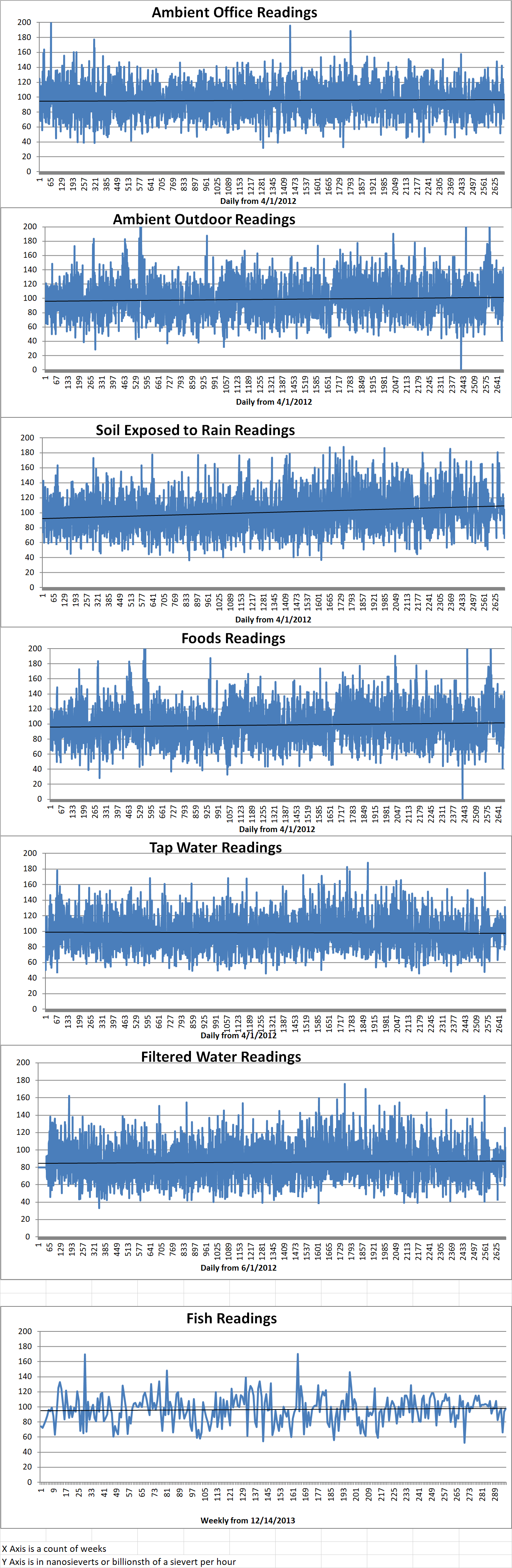
Geiger Readings for Oct 30, 2019
Ambient office = 103 nanosieverts per hour
Ambient outside = 70 nanosieverts per hour
Soil exposed to rain water = 66 nanosieverts per hour
English cucumbers from Central Market = 96 nanosieverts per hour
Tap water = 84 nanosieverts per hour
Filtered water = 69 nanosieverts per hour
-

Radioactive Waste 422 – Activists Fight Construction Project In Contaminated Area Of Moscow – Part 2 of 2 Parts
Part 2 of 2 Parts (Please read Part 1 first)
Alexander Barinov is Radon’s chief engineer for Moscow. He explained that it would be impossible remove all the contaminated soil. Engineers chose to dump new soil on the site each year to keep the waste secured.
Cheryl Rofer is a retired US scientist and nuclear specialist. She said in an interview that “Decontamination would mean the removal of an enormous amount of soil, and other things. And there would have to be a place to put it.”
Rofer oversaw the remediation of the Los Alamos National Laboratory disposal dumps where waste produced by nuclear weapons development was deposited. She says that the concern of the local residents about clouds of radioactive materials that may be produced by construction are overblown. However, she does admit that constructing bridges and highways on the Polymetal site is not really a good idea.
Rofer said, “Building work can open things up and allow material to escape in other ways. The thing about old disposal areas is that they always have surprises in store.”
Authorities in Moscow appear to have kept pushing for the construction at Polymetal even though Russian experts have raised concerns. In 2013, a report indicates that, initially, the management of the closed Polymetal plant rejected the proposal for the construction. It took four years and pressure from the Moscow city government to get the former site managers to agree to the construction.
Pavel Tarasov is a municipal deputy for the Communist Party is backing local protests against the highway. He claims that Moscow authorities have been engaged in a “coverup.” He said, “They know about the radiation danger, but the only thing that matters is their multibillion-dollar project. They can’t get the thing through legally, so they are lying.”
Moscow city officials say that they have not engaged any illegal activity. They also promise that they will continue to monitor the Polymetal site. They say that radiation in the construction zone does not exceed safe levels. Discussions are ongoing.
Rafik Zagrutdinov is the interim head of the Moscow department of construction. He claims that there are no elevated radiation levels in the construction zone. He said, “All the necessary engineering and geological surveys have been carried out. The results of the survey showed no excess of the radiation background.”
Stepan Kalmykov is the interim dean of Moscow State University chemistry faculty. He complained about what he called “excessive radiophobia.” He said that Radon was going to continue decontamination of the Polymetal site. This will include more soil being removed and barriers being erected to prevent leakage. He also said that the radioactive materials found at the Polymetal site including uranium, thorium and radium do not justify public alarm.
Kalmykov said, “These are naturally occurring radionuclides, albeit at higher concentrations,” he says. “As long as reducing risk is feasible, it should be done. But as a professional, I can only smile at the comparisons being made to Fukushima and Chernobyl. He also claims that Russia’s casual attituded toward nuclear safety in the past are now an advantage. “In the race for nuclear defense, we became a leader in recklessness. But now – by accident – we have become leaders in decontamination. Our engineers have already done enormous work across the country. There’s no reason for them not to do a good job here.” -
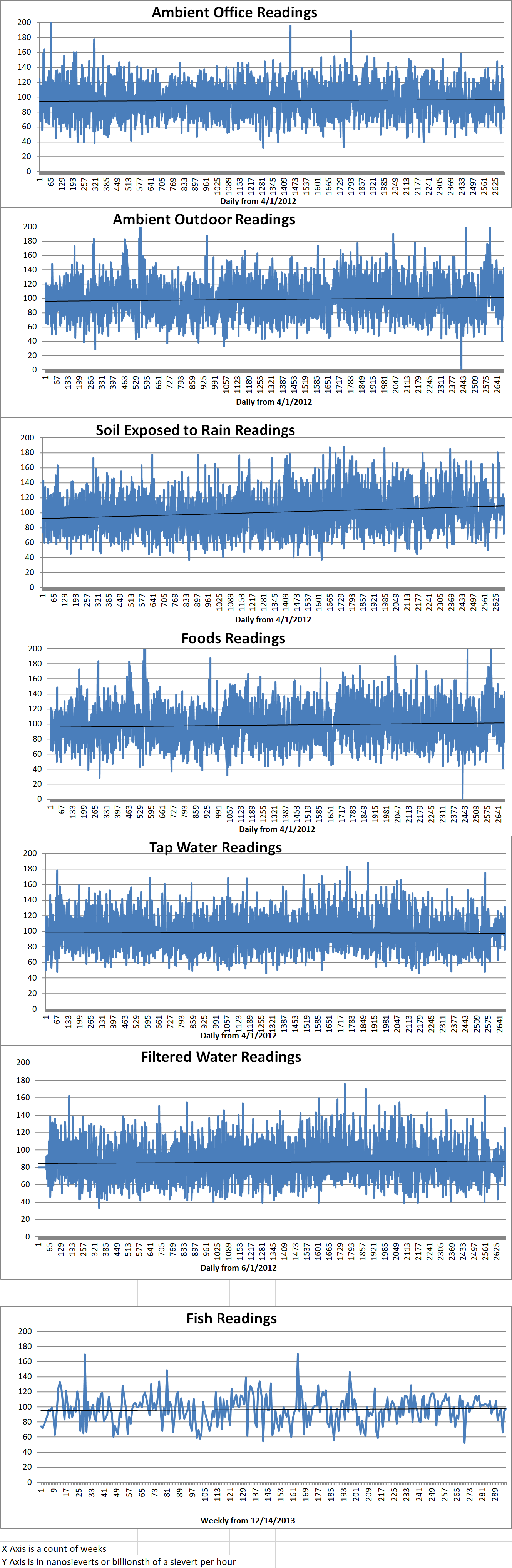
Geiger Readings for Oct 29, 2019
Ambient office = 82 nanosieverts per hour
Ambient outside = 90 nanosieverts per hour
Soil exposed to rain water = 89 nanosieverts per hour
Avocado from Central Market = 143 nanosieverts per hour
Tap water = 121 nanosieverts per hour
Filtered water = 103 nanosieverts per hour
-

Radioactive Waste 421 – Activists Fight Construction Project In Contaminated Area Of Moscow
Part 1 of 2 Parts
In southeastern Moscow, Russia, behind a green corrugated fence is the ruins of the decommissioned Polymetal factory. Inside the fence lies radioactive waste dumps left over from the operation of the factory. Local residents who live near the fenced area have posted signs warning of radiation danger. The local activists are fighting to prevent the local government from building a bridge and an eight-lane highway across part of the fenced site. They fear the release of buried radioactive material into the air and the nearby Moskva river during construction.
Greenpeace has recently carried out tests of topsoil from the Polymetal site where construction would be carried out and they have published reports of the tests. The Greenpeace tests have shown that the radiation level in the soil that would be disturbed are dozens of times above the allowable levels for public safety. Samples a couple of feet below the surface had even higher levels. The researchers said that there was a danged of cancer from the radiation.
The official position on the construction of the bridge and highway is that contaminated areas would be avoided during construction. The new evidence presented by Greenpeace would seem to contradict official claims. In five different areas inside the planned construction areas, radiation was between five and fifteen times higher than natural background radiation. In one area about five hundred feet from the proposed construction, the radiation was forty-five times the normal level. This is higher than most radiation readings in the Chernobyl exclusion zone.
Ivan Kondratiev is a local organizer whose father lives close to the proposed highway. He said, “The builders say there is nothing here, but we see with our own eyes everything is very bad. These levels of radiation on their own aren’t going to kill you. But they tell you what lies underneath, and what will happen when building work unsettles it.”
Anton Kulbachevsky is the head of the Moscow department for the environment. He does not believe the Greenpeace reports. He said, “No matter how much I’ve come across Greenpeace, it’s very rare that what they are saying is backed up by real evidence.”
The contaminated Polymetal factory site is left over from the earliest years of the Cold War nuclear arms race. Stalin said that the Russia had to jump forward a hundred years in capability in a mere ten years. Making that jump resulted in cutting corners in nuclear safety which was poorly understood at the time.
Kondratiev said, “My aunt worked as a sample collector at the factory in the early fifties. She was just 18 when she started and they never told her the truth of what she was working with. All she remembers is getting two big, painful injections every year.”
Russia kept the existence of and the work at the Polymetal factory secret for decades. The world may never know exactly what was done at Polymetal. It is known that work there focused on extracting uranium and thorium from ores. Thousands of tons of waste products from the extraction processes were dumped in areas around the factory.
There were other plants in the Soviet Union where radioactive waste from nuclear weapons production were disposed of so casually. There are hundreds of such nuclear waste dumps scattered across the territory of the old Soviet Union. However, the sheer volume of waste at the Polymetal site and the tens of thousand of people living nearby make that site especially dangerous.
Radon is the Russian government’s agency that is responsible for securing nuclear waste. It made a major survey of the Polymetal site in 1999. Forty different zones of contamination were identified in the survey. Steps were immediately taken to reduce the danger of the contamination. However, the steps taken by Radon did not amount to a full decontamination of the site.
Please read Part 2 -
Nuclear News Roundup Oct 28, 2019
We’ll know by the end of 2019 whether nuclear waste will be allowed to be buried in Bruce County, Ontario. London.ctvnews.ca
KIM JONG-UN is “terrifying close” to developing devastatingly powerful long-range missiles equipped with thermonuclear warheads, with the situation having the potential to deteriorate dramatically in the next few months, an expert has warned. Express.co.uk
It’s been more than eight years since the nuclear disaster occurred at the Fukushima Daiichi power plant in Japan. Yet even to this day, the Japanese government is struggling with the issue of nuclear cleanup, waste disposal and storage. To say the least, the threat is still very much there. Ejinsight.com
Last week brought a close to one chapter for Ohio’s nuclear power plant bailout, House Bill 6, when the group collecting signatures to fight against the law fell short of their goal. Radio.wosu.org