
Part 2 of 2 Parts (Please read Part 1 first)
A land-based nuclear ballistic missile system would be the most vulnerable of the three tradition nuclear warhead delivery systems for Japan. Any enemy would concentrate a lot of nuclear warheads on the land-based Japanese nuclear missiles sites. Japan is so small and so populated that it would be difficult to find a place in the country for nuclear missile silos that was not close to a major population center.
If Japan elected to put their ballistic nuclear missiles on mobile launchers, they would be too big and heavy to travel over Japan’s network of highways. A possible alternative to roads would be Japan’s extensive high-speed rail network.
Japan could easily construction a fleet of strategic stealth bombers which could deliver nuclear cruise missiles and nuclear gravity bombs. Nuclear bombers would give Japan a great deal of flexibility to target multiple enemy sites and even change targets while they are in flight. They could be called off before they reached their targets if necessary.
A Japanese bomber fleet could consist of three squadrons of twenty-four bombers each. That would give Japan a strategic bomber fleet of seventy two jets which would each be the size of a FB-111 strike aircraft. Each bomber could carry four short range cruise missiles with one hundred kiloton warhead each. That would make a total of two hundred and eighty-eight nuclear warheads.
Geography would seem to render a strategic Japanese bomber fleet a vulnerable proposition. A preemptive strike against Japanese bomber bases could destroy the entire fleet of bombers while they were still on the ground. New developments in air defense systems also mean that strategic bombers are more vulnerable to destruction on their way to targets.
Considering the three legs of traditional nuclear deterrence, submarines carrying nuclear missiles would seem to be the best choice for Japan. As long as a submarine is at sea it is difficult to locate and attack. The U.S. has aided other allies with the development of nuclear missile submarine fleets and would probably do so with Japan.
Japan could field a small fleet of perhaps five ballistic missile submarines. Each of these submarines would carry sixteen ballistic missiles with four one hundred kiloton nuclear warheads each. That would mean that the fleet would have a total of three hundred and twenty warheads. If two submarines were at sea at any one time, that would be an arsenal of one hundred and twenty-eight nuclear warheads ready to launch. One problem with submarines is that it is difficult to keep in contact with them during a time of crisis.
Obviously, it is not in the interest of any of the players on the world stage for Japan to develop a nuclear arsenal. If Japan feels threatened and the U.S. withdraws nuclear protection, Japan is fully capable of developing a nuclear arsenal and sophisticated delivery systems. Such a development would make the security situation in Southeast Asia much worse than it is today.
Blog
-
Nuclear Weapons 698 – The Question of Japanese Nuclear Weapons – Part 2 of 2 Parts
-
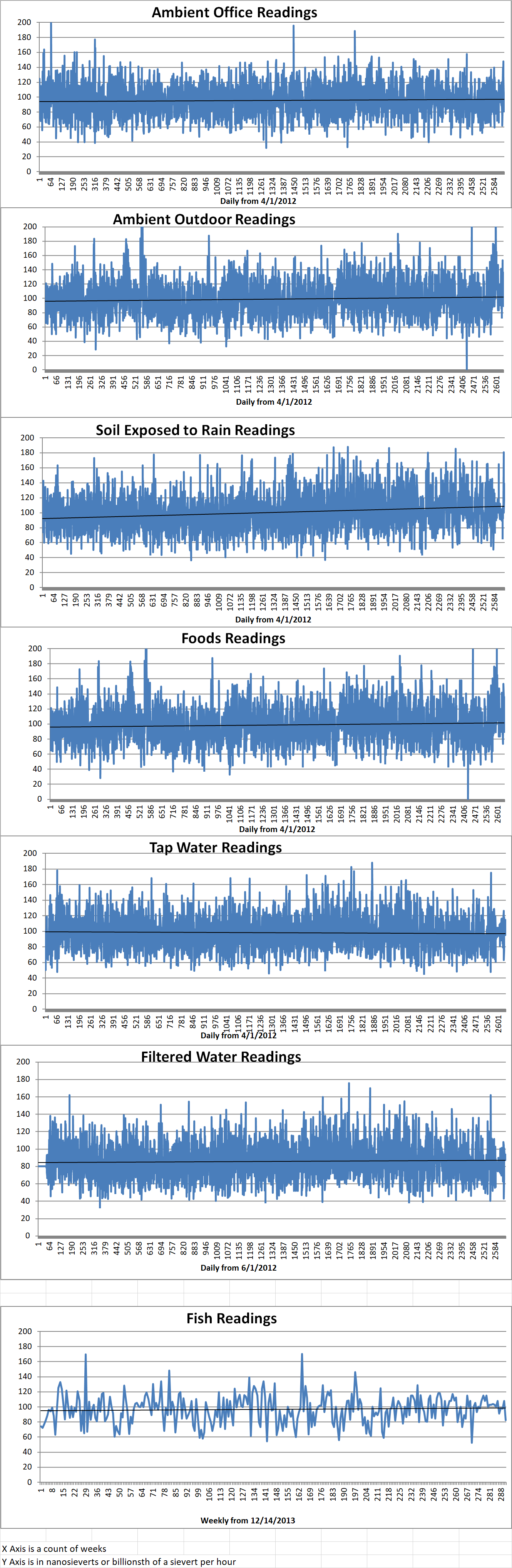
Geiger Readings for Sep 24, 2019
Ambient office = 93 nanosieverts per hour
Ambient outside = 135 nanosieverts per hour
Soil exposed to rain water = 137 nanosieverts per hour
English cucumber from Central Market = 89 nanosieverts per hour
Tap water = 114 nanosieverts per hour
Filtered water = 93 nanosieverts per hour
-
Nuclear News Roundup Sep 24, 2019
Duke Energy will apply for 20-year license renewals for all six of its nuclear power plants in the Carolinas, potentially extending their working lives to eight decades. Charlotteobserver.com
Donald Trump talks gibberish about nuclear weapons then announces trip to Mars. Metro.co.uk
Marianne Williamson On Nuclear Energy: Don’t Use ‘Hard Data,’ Think ‘With Your Hearts’. Dailywire.com
-
Nuclear Weapons 697 – The Question of Japanese Nuclear Weapons – Part 1 of 2 Parts
Part 1 of 2 Parts
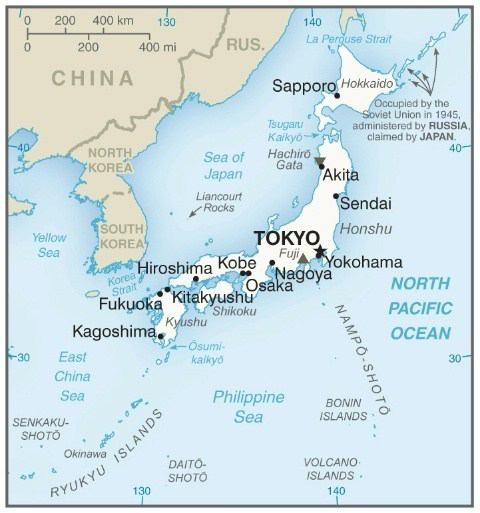
I have blogged about Japan and nuclear weapons before. Japan is the only country which has experienced an attack with nuclear weapons. The bombing by the U.S. of Hiroshima and Nagasaki ended World War II in the Pacific in 1945. Following the war, the new Japanese Constitution prohibited Japan from developing offensive weapons. In 1967, Japan adopted the Three Non-Nuclear Principles which prohibit the production, possession and/or the introduction of nuclear weapons.
In the past few years there have been calls for Japan for considering the production of nuclear weapons. This was partially triggered by statements of the U.S. President that perhaps it was time for Japan to accept responsibility for dealing with the threat of nuclear attacks by developing their own nuclear weapons instead of hiding under the U.S. “nuclear umbrella.” There have also been calls from hardliners on the right in Japan to consider a Japanese nuclear weapons program.
Japan is under threat from neighbors such as China, Russia and North Korea who do have nuclear weapons. Without the protection of the U.S., it is reasonable for Japan to consider the possibility of developing their own nuclear weapons to balance the threats against them.
China’s security posture and weapons program would be strongly influenced by Japanese nuclear weapons. They would have to make serious changes to their nuclear policy and their nuclear weapons and delivery systems. Japan has no publicly announced plans to develop nuclear weapons at this time. China has a nuclear policy of no first use of nuclear weapons so even if Japan had nuclear weapons, theoretically China would be no threat unless Japan attacked them first. On the other hand, reality does not always conform to theory.
North Korea would also have to worry about Japanese nuclear weapons. Both are small countries and especially vulnerable to nuclear attack.
If Japan decided it wanted nuclear weapons, it has an industrial base for the construction of nuclear reactors which could be rapidly adapted for nuclear weapons production. It has major manufacturing facilities that could easily be turned to the production of nuclear delivery systems that would match the traditional nuclear triad of existing nuclear powers. These include land-based nuclear ballistic missiles, strategic nuclear bombers and ballistic nuclear missile submarines.
It would realistic to consider a Japanese arsenal of a few hundred nuclear warheads. Of the nine countries with nuclear weapons today, only the U.S. and Russia have more than a few hundred nuclear warheads. Japan is so small that it would only require a few nuclear warheads to devastate Japan and kill millions of Japanese. To serve as a convincing nuclear deterrent, Japan would have to have enough nuclear weapons to cause very serious damage to any enemy which attacked it with nuclear weapons.
Japan could easily manufacture land-based nuclear ballistic missiles. These could be kept in hardened silos like the U.S. land-based nuclear missiles or they could be placed on mobile launchers as Russia does with some of their missiles. Japanese ballistic missiles would not have to be able to fly to the other side of the planet. They would only need to be able to reach all of China, the Middle East and European Russia. However, most of Japan’s potential enemies are so close that it would be quite easy for accident or a misinterpreted missile launch to invite premature retaliation from a potential enemy.
Please read Part 2 -
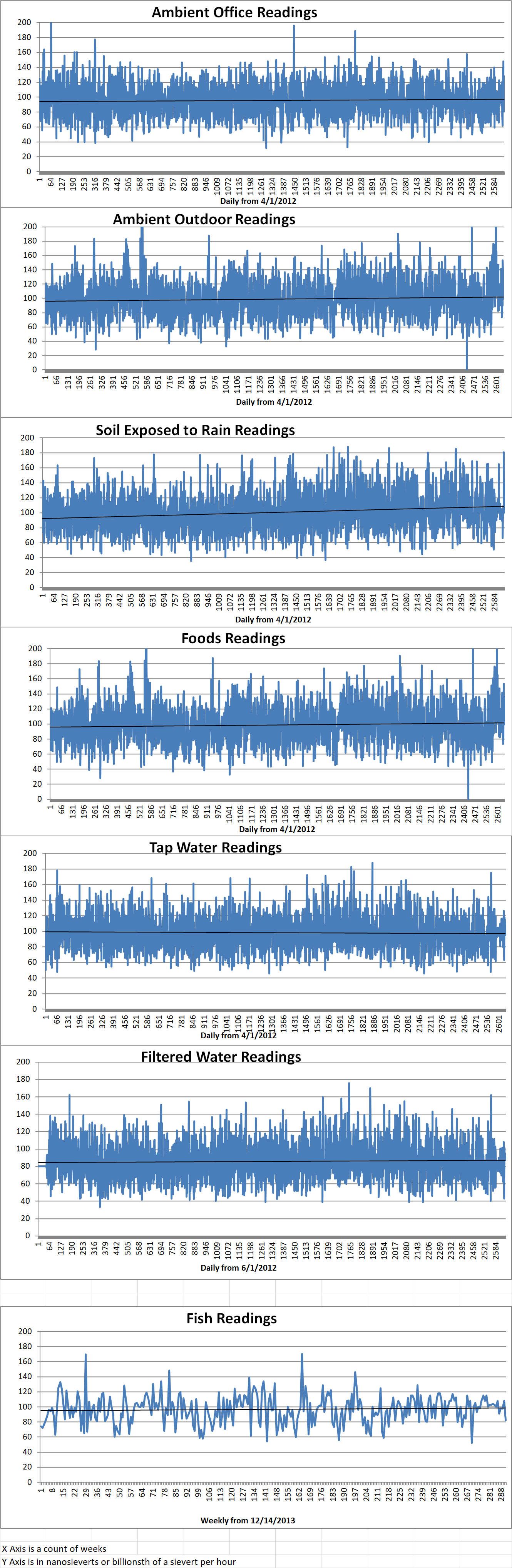
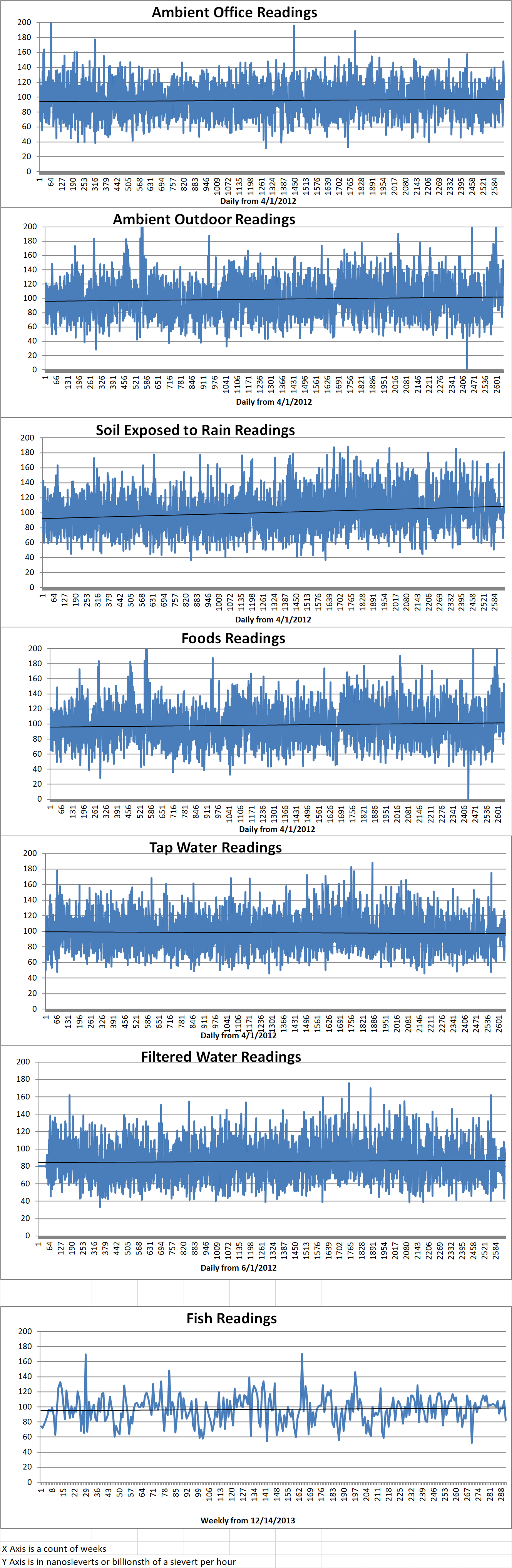
Geiger Readings for Sep 23, 2019
Ambient office = 81 nanosieverts per hour
Ambient outside = 121 nanosieverts per hour
Soil exposed to rain water = 120 nanosieverts per hour
Red bell pepper from Central Market = 100 nanosieverts per hour
Tap water = 104 nanosieverts per hour
Filtered water = 87 nanosieverts per hour
-
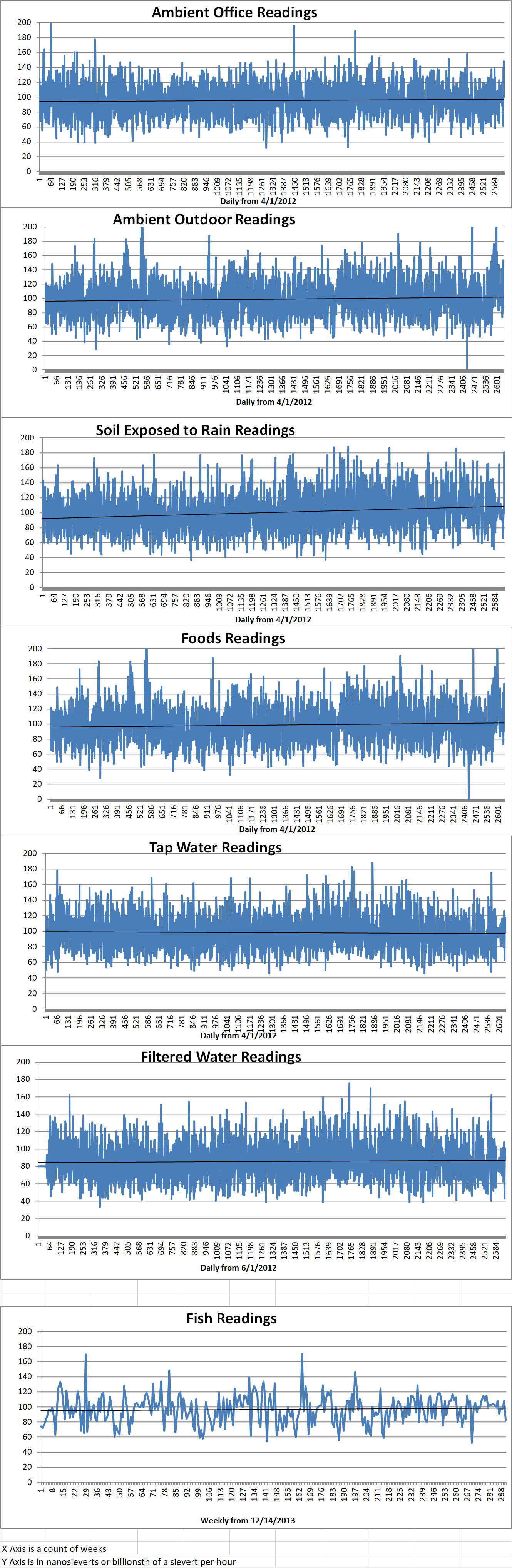
Geiger Readings for Sep 22, 2019
Ambient office = 106 nanosieverts per hour
Ambient outside = 133 nanosieverts per hour
Soil exposed to rain water = 139 nanosieverts per hour
Beefsteak tomato from Central Market = 136 nanosieverts per hour
Tap water = 95 nanosieverts per hour
Filtered water = 88 nanosieverts per hour
-
Geiger Readings for Sep 21, 2019
Ambient office = 100 nanosieverts per hour
Ambient outside = 120 nanosieverts per hour
Soil exposed to rain water = 119 nanosieverts per hour
Heirloom tomato from Central Market = 125 nanosieverts per hour
Tap water = 104 nanosieverts per hour
Filtered water = 90 nanosieverts per hour
Dover sole – Caught in USA = 82 nanosieverts per hour