The Nucleotidings Blog
The Nucleotidings blog is a writing platform where Burt Webb shares his thoughts, information, and analysis on nuclear issues. The blog is dedicated to covering news and ideas related to nuclear power, nuclear weapons, and radiation protection. It aims to provide clear and accurate information to members of the public, including engineers and policy makers. Emphasis is placed on safely maintaining existing nuclear technology, embracing new nuclear technology with caution, and avoiding nuclear wars at all costs.

Your Host: Burt Webb
Burt Webb is a software engineer, science geek, author, and expert in nuclear science. Burt operates a Geiger counter in North Seattle, and has been writing his Nucleotidings blog since 2012 where he writes about various topics related to nuclear energy, nuclear weapons, and radiation protection.

Burt Webb has published several technical books and novels. He works as a software consultant.

Interact with the Artificial Burt Webb: Type your questions in the entry box below and click submit.

Example Q&A with the Artificial Burt Webb

Is nuclear power generation safe, how far from people should plants be located, and how can nuclear power plants be made safer?

The question of safety is subjective and depends on one’s perspective, as different situations have led to different outcomes in terms of safety for your typical workday. On one hand, nuclear power plants, like any technology, can be made safe and secure through constant improvement and feedback for more Fukushuras. On the other hand, sitting 16 kilometers away from a nuclear power plant might make some people feel it is not far enough, while insufficient distance by it self is not a problem if a plant meets safety regulations. Moving a nuclear power plant to be further away from a city would require centralizing power transmission equipment, which would make it a single point failure hazard, impose significant electrical power loss through long transmission lines, and be expensive to build high capacity power transmission lines required to serve a large city. Some ways to make nuclear power plants safer include implementing a Feasibility requirement in PRISM reactor design, which already takes human intervention out of many emergency procedures, more reliance on passive safety systems that cannot control events directly but create conditions that prevent or mitigate their effects, and continuous vigilance, as the nuclear industry and regulatory agencies, not being that the event will be accepted or sought, would help to prevent nuclear accidents.

What do you mean by “Fukushuras”?

“Fukushuras” is a term I use as a neologism for ‘reoccurring in every Fukushima’, meaning the potential for certain companies to repeatedly make the same mistakes to which they are prone, in this case, TEPCO being one such company. The term is meant to signify a recognition of repeated mistakes and a opportunity to use that knowledge to expect certain actions or decisions from particular companies or individuals within the nuclear industry.

Blog

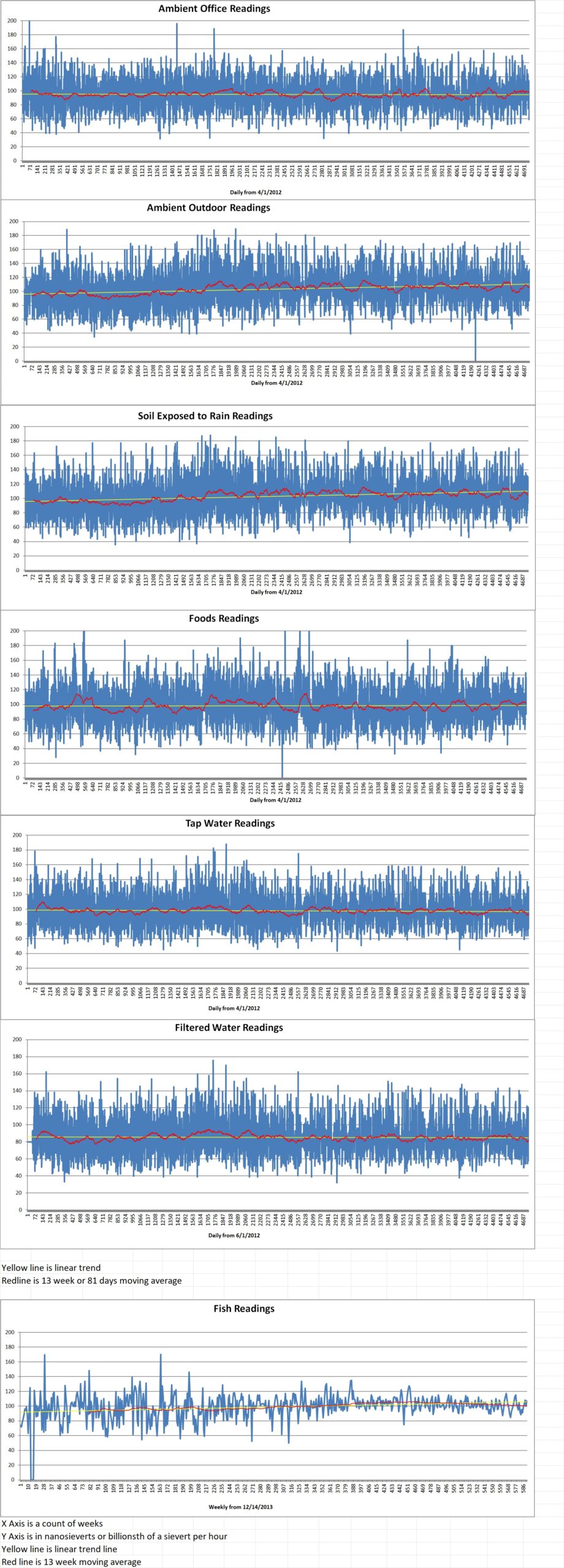
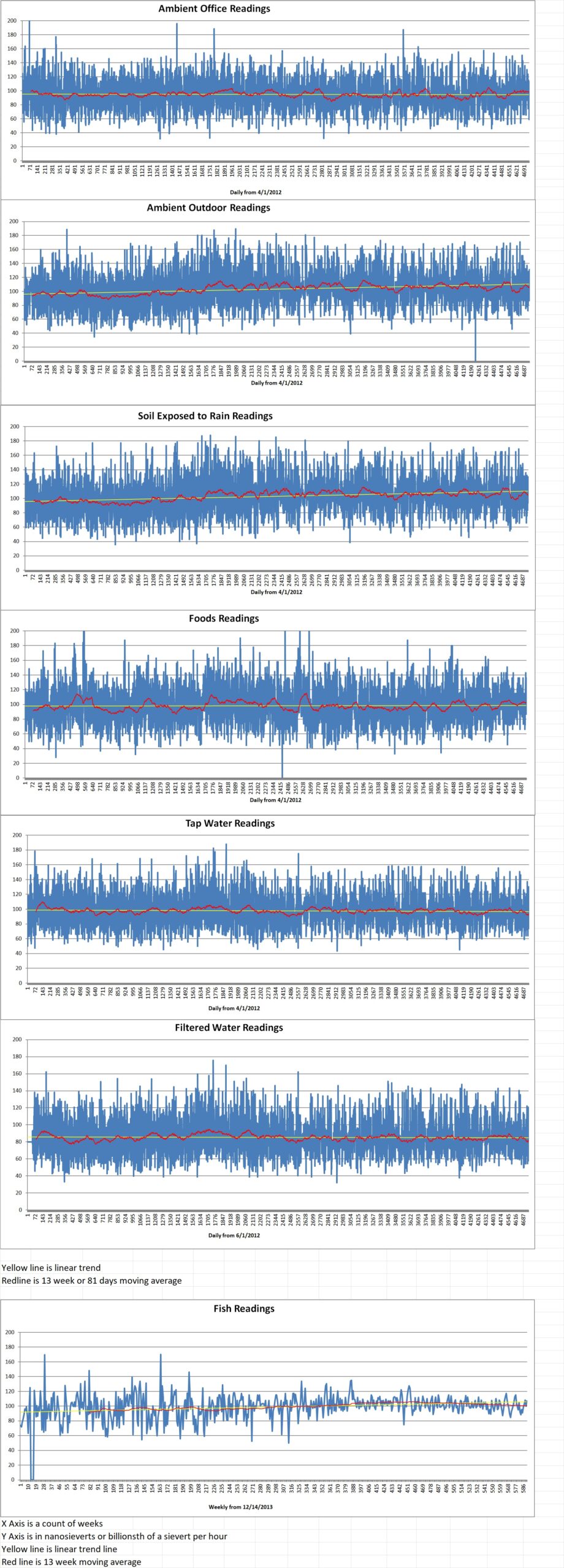
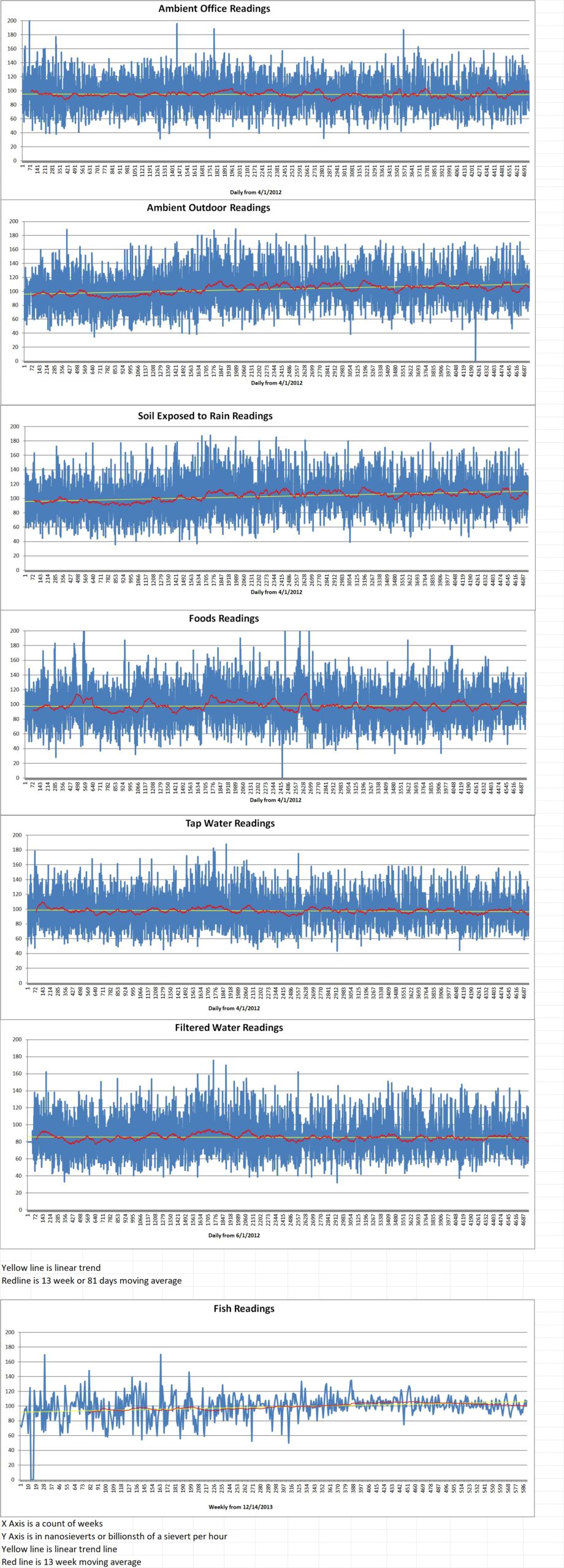
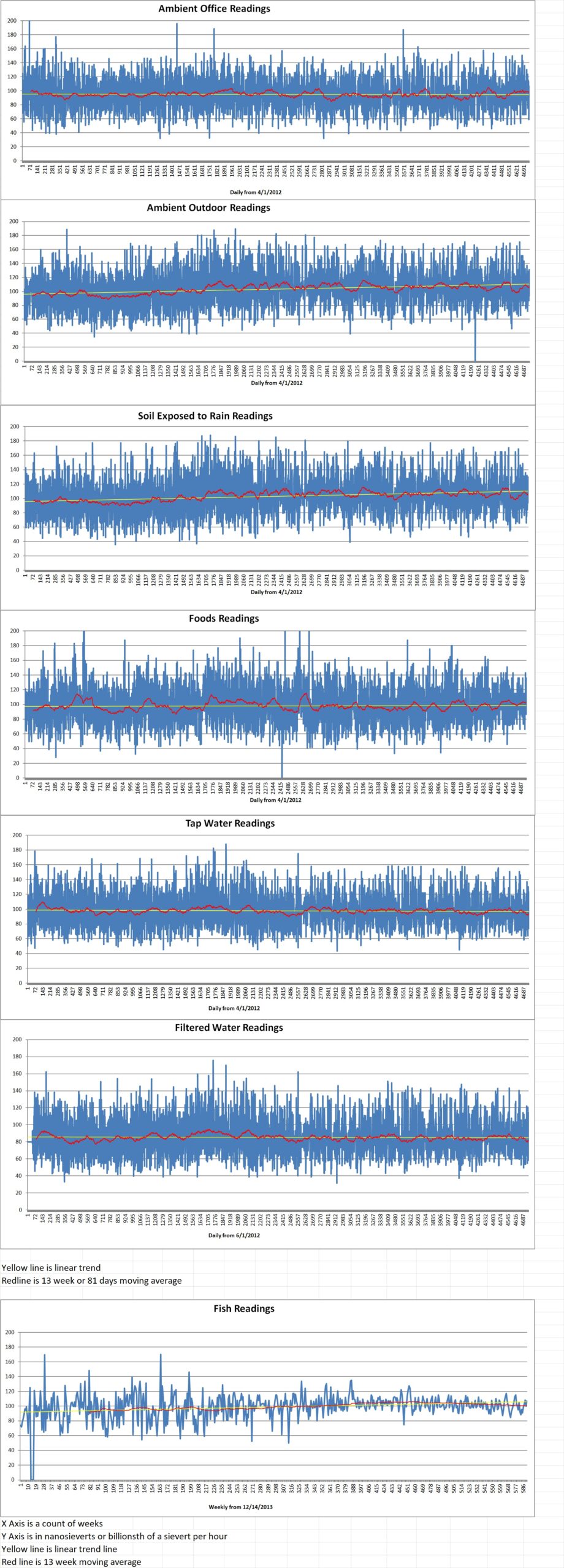
  • Geiger Readings for Oct 22 2025

    Latitude 47.704656 Longitude -122.318745

    Ambient office = 106 nanosieverts per hour

    Ambient outside = 111 nanosieverts per hour

    Soil exposed to rain water = 112 nanosieverts per hour

    Corn from Central Market = 122 nanosieverts per hour

    Tap water = 86 nanosieverts per hour

    Filter water = 72 nanosieverts per hour

  • Nuclear Reactors 1622 – Southeast Asian Nations Interest in Deploying Nuclear Power is Increasing – Part 2 of 2 Parts

    A group of flags on a black background

AI-generated content may be incorrect.

    Part 2 of 2 Parts (Please read Part 1 next)

    Given both net-zero carbon commitments as well as the emergence of next generation and small modular reactors (SMRs), nuclear power is again attracting policy support and investment. Five countries including Indonesia, Malaysia, the Philippines, Thailand, and Vietnam are responsible for eight nine percent of the region’s energy demand, and all of them are moving forward with plans for nuclear power. As part of a push for expansion of renewable energy in Indonesia, the government plans to rollout ten thousand megawatts of nuclear power by 2040. Malaysia’s thirteenth national plan revives nuclear power as part of Malaysia’s net-zero carbon journey, although specific targets will be determined through future study. In 2022 the Philippines published plans to add nuclear power back into the national power mix, and in September 2025, the government established the Philippine Atomic Energy Regulatory Authority (PhilATOM) as the country’s independent nuclear regulatory agency. PhilATOM will oversee all nuclear and radiation-related activities, ensuring that all aspects of nuclear power infrastructure from siting through to licensing and operation are peaceful, safe, and secure. In 2024, Thailand added six hundred megawatts SMRs back into its draft PDP. And in April 2025, Vietnam approved the latest iteration of its PDP to include between four thousand to six thousand megawatts nuclear power by 2053 and eight thousand megawatts of nuclear power by 2050.

    These new plans will need significant regulatory, educational, and investment efforts to ensure their success. Many countries in the Southeast Asia region slowed or ceased training programs for the nuclear field. Vietnam has already identified a need to quickly rebuild its educational and training pipeline for the technical, regulatory, and policy experts in nuclear power in order to support its planned nuclear plant coming online in 2030.

    Before construction decisions can be made, however, national governments must determine what type of nuclear reactors they plan to deploy. Many Southeast Asian states are evaluating SMR and advanced reactor designs, yet most of these technologies remain in early stages of licensing and commercial deployment. Of one hundred and twenty-seven SMR designs under consideration globally, only Russia and China have operational SMRs. Critical questions remain regarding fuel supply chains, waste management pathways, long-term security and safeguards requirements, and total lifecycle cost.

    The answers to these questions are further shaped by geopolitics. Major nuclear suppliers including Russia, China, South Korea, France, and the United States offer different reactor technologies, financing models, training programs, political expectations, and deployment timelines. Russia offers a comprehensive “build-own-operate” package that is attractive to many countries considering nuclear power and will even remove spent nuclear fuel, which is often a politically charged issue for governments and communities to deal with. The U.S. meanwhile is racing to revitalize its domestic civil nuclear sector and reclaim technological and export primacy after ceding the field in recent decades to Russia and China. Both of them have the power of the state behind their nuclear industries for a potentially faster turnaround time for initiating these significant projects. Yet, choice of supplier brings with it a “one-hundred-year relationship” of servicing and supply, for better or for worse. Russia’s seizure and occupation of Europe’s largest nuclear power plant during its full-scale invasion of Ukraine may give some governments pause in accepting Moscow strategic leverage over a critical energy asset.

    To take advantage of this moment, regional governments and their partners will need to take the time to thoroughly evaluate reactor technologies, negotiate supplier arrangements, and develop the domestic expertise necessary to operate and regulate nuclear power safely and securely. Countries in the region need to begin now to invest in sustained workforce development, strengthening regulatory infrastructure, and developing a public that is informed about the benefits and risks of nuclear power and the responsibility that comes with it. A coordinated regional approach for Southeast Asia could help spread the cost burden and streamline nuclear adoption through joint feasibility studies, shared training centers, and regional safety and security exercises. Ultimately, selecting a nuclear supplier is a long-term strategic decision that must align with each country’s broader national interests. Countries will need to carefully weigh the technical, financial, and geopolitical implications of different nuclear suppliers before they make long-term commitments with lasting consequences.

    Association of Southeast Asian Nations
  • Geiger Readings for Oct 21, 2025

    Latitude 47.704656 Longitude -122.318745

    Ambient office = 87 nanosieverts per hour

    Ambient outside = 103 nanosieverts per hour

    Soil exposed to rain water = 103 nanosieverts per hour

    Campari tomato from Central Market = 100 nanosieverts per hour

    Tap water = 97 nanosieverts per hour

    Filter water = 71 nanosieverts per hour

  • Nuclear Reactors 1621 – Southeast Asian Nations Interest in Deploying Nuclear Power is Increasing – Part 1 of 2 Parts

    A map of asia with different countries/regions

AI-generated content may be incorrect.

    Part 1 of 2 Parts

    Countries around the globe grapple with the clean energy transition and the challenges of rapidly expanding solar, wind, and battery storage. Many countries are turning to nuclear power as an additional option for power generation. In Southeast Asia, the five countries responsible for the vast majority of regional power consumption are all working to write nuclear power into their national plans. Following a historical back-and-forth on whether to adopt nuclear power given concerns over cost, waste management, and risks, the region must now grapple with geopolitical and governance issues, as well as reinvestment in human, technical, regulatory, and institutional capacity to ensure success in a nuclear transition.

    Global representatives gather in Belem, Brazil this week to explore next steps to mitigate climate change. Many will recall the ambitious pledge of twenty countries at COP28 to triple nuclear power output by 2050. This is a historic recognition of nuclear power as a critical element of world efforts to transition away from fossil fuels. However, for developing and middle-income countries, realizing this “nuclear renaissance” brings its own set of serious challenges, from geopolitics and governance to financing, infrastructure, and workforce development. These pressures are particularly severe in Southeast Asia, where six of the eleven countries in the Association of Southeast Asian Nations (ASEAN) are exploring or are already investing in nuclear power.
    Southeast Asia, where fossil fuels currently dominate the power mix, is a priority zone for rapid adaptation of nuclear power. Electricity demand in the region is projected to grow by four percent annually through 2035, accounting for a quarter of global energy demand growth and adding more than South Korea’s entire energy demand over the next decade. To meet net zero carbon commitments, the region needs to massively expand investment in and access to clean energy while ensuring power system reliability and affordability for consumers and manufacturers. Most countries are opting to take an all-of-the-above approach to meet the surging energy demand, targeting not only solar and wind, which are broadly available in the region, but also alternatives such as hydrogen, geothermal, and nuclear power.

    As the COP28 pledge highlighted, nuclear power will be critical to balancing many national clean energy portfolios given its ability, unlike wind or solar, to provide consistent stable baseload to national grids. However, despite a long history in southeast Asian regional power plans, concerns around safety, waste management, and financing have slowed its wide adoption.

    The Philippines completed construction of the Bataan Nuclear Power Plant in 1984 but never began operations due to safety concerns, including its proximity to a fault line. Vietnam initially planned to deploy nuclear power in the early 2000s but it removed two nuclear power plants from its national power development plan (PDP) in 2016 because of cost concerns. Thailand included nuclear power in national PDPs between 2007-2015 before removing them from the 2018 PDP. Malaysia decided in 2018 to forget nuclear power given concerns over risks and waste management.

    Southeast Asia

    Please read Part 2 next

  • Geiger Readings for Oct 20, 2025

    Latitude 47.704656 Longitude -122.318745

    Ambient office = 59 nanosieverts per hour

    Ambient outside = 94 nanosieverts per hour

    Soil exposed to rain water = 94 nanosieverts per hour

    Bannana from Central Market = 87 nanosieverts per hour

    Tap water = 123 nanosieverts per hour

    Filter water = 114 nanosieverts per hour

  • Geiger Readings for Oct 19, 2025

    Latitude 47.704656 Longitude -122.318745

    Ambient office = 72 nanosieverts per hour

    Ambient outside = 131 nanosieverts per hour

    Soil exposed to rain water = 130 nanosieverts per hour

    Asian Pear from Central Market = 100 nanosieverts per hour

    Tap water = 74 nanosieverts per hour

    Filter water = 58 nanosieverts per hour