Part 1 of 2 Parts
Nuclear energy has been promoted as a form of energy production that will help mitigate climate change. It is efficient, well established and it has lower carbon footprint than fossil fuels although a higher carbon footprint than renewable alternative energy sources. Some countries such as China have made nuclear energy part of their national plan for reducing their carbon footprint.
Although nuclear energy does have some positive aspects, it also has some very serious problems. While nuclear meltdowns are extremely rare, fear of nuclear meltdowns looms large in the public mind because of their horrific consequences. High-profile nuclear disasters such as those at Three-Mile Island, Chernobyl, and Fukushima have made it difficult to sell nuclear energy to people who do not want to have a nuclear power plant anywhere near where they live. Movies such as the China Syndrome and television shows such as the Simpsons have projected nuclear dangers into the public imagination.
It is true that nuclear disasters are very rare and nuclear energy may, in fact, be much safer than the average person might believe. On the other hand, there are certainly major problems that are common and troubling. One of these major problems is the exceedingly high cost of nuclear power. Last month, the World Nuclear Industry Status Report showed the shocking statistic that nuclear power is now the most expensive form of power generation in the world with the only exception being gas peaking plants. Peaking plants are used when there is a peaking of demand for electricity and the regular generation facilities are having trouble keeping up.
And then there is the issue of the nuclear waste that is left over in spent nuclear fuel. This is not a minor problem. It is estimated that there are four hundred thousand tons of spent nuclear fuel around the world. This contains over ninety percent of the dangerous radiation in nuclear wastes with different levels of radiation but only comprises about three percent of all nuclear waste. All in all, there must be over forty million tons of nuclear waste scattered around the globe. The uranium and plutonium in spent nuclear fuel have a long half-life that will outlive all of us. Nuclear waste continues to pile up at nuclear facilities around the world. Managing this waste is a huge expense and there is a public health risk of massive proportions if it is mishandled.
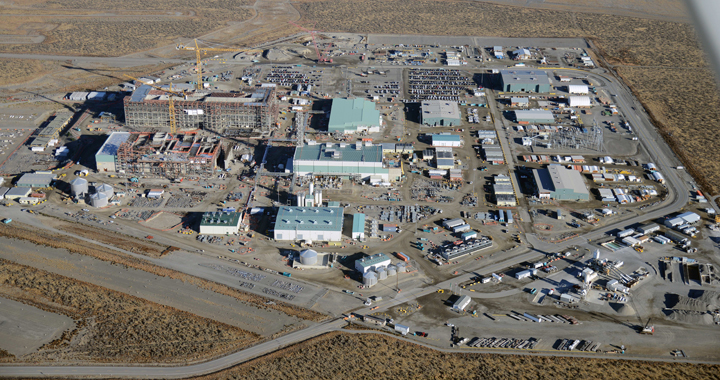
Different nations who use nuclear power have been working on developing “final disposal sites” for their nuclear waste. One technology that shows promise for disposal is called vitrification. Nuclear waste is pulverized and mixed with chemicals and sand. This mixture is then heated so the constituents melt and fuse into glass logs. The logs are then placed in stainless steel cylinders that will be kept in a pool of water for maintain them at a cool temperature. Ultimately, they will be transferred from the pool to their final resting place in a deep underground geological repository. The plan is for the glass logs to remain undisturbed until their level of radioactivity has decreased to a level that will permit them to be handled safely if that is ever required. The amount of time required could be between one thousand and one hundred thousand years.
Please read Part 2
Radioactive Waste 778 – The Continuing Problem Of Nuclear Waste Disposal – Part 1 of 2 Parts