Author: Burt Webb
-
Geiger Readings for Jul 26, 2017
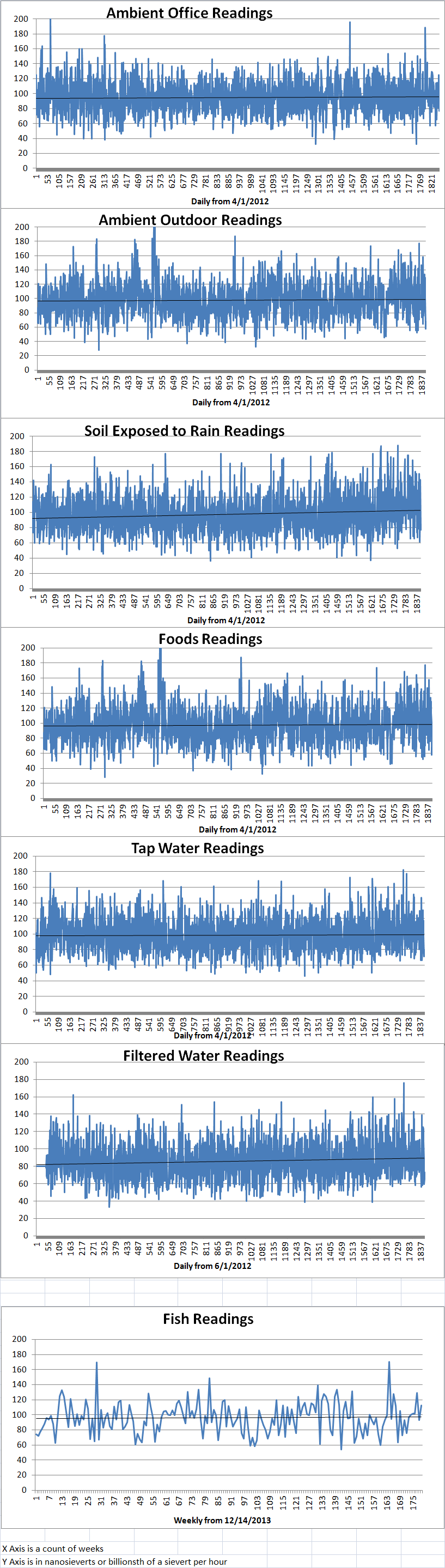
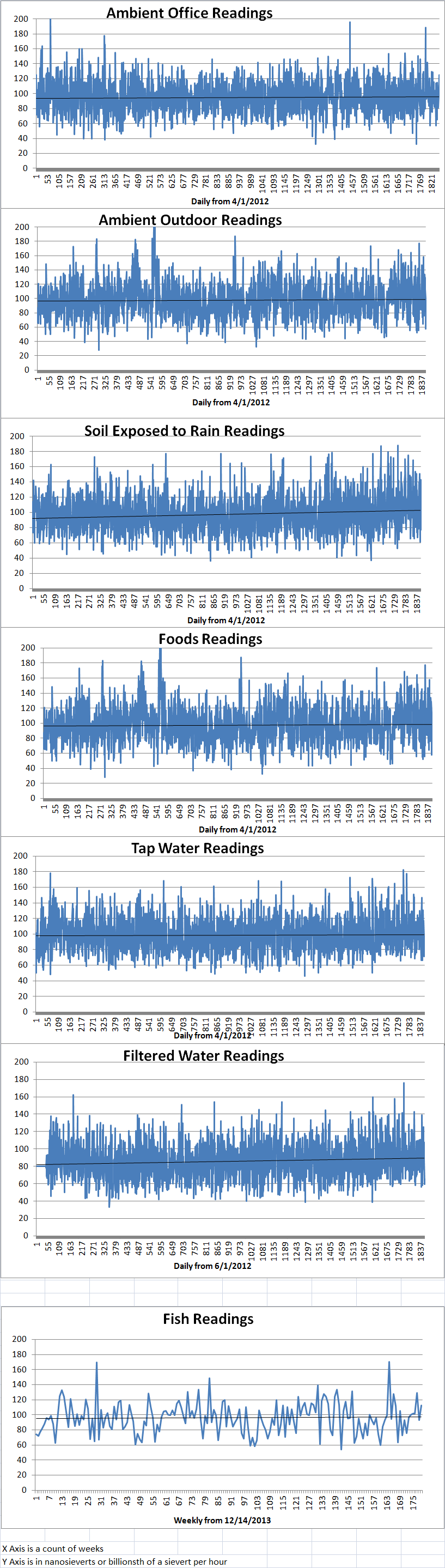
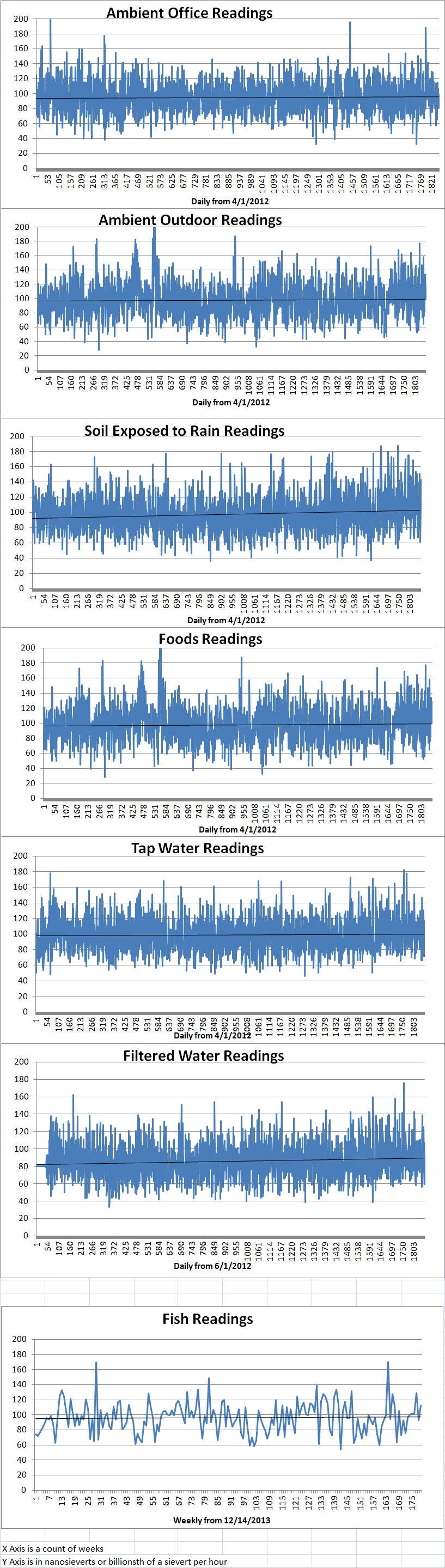
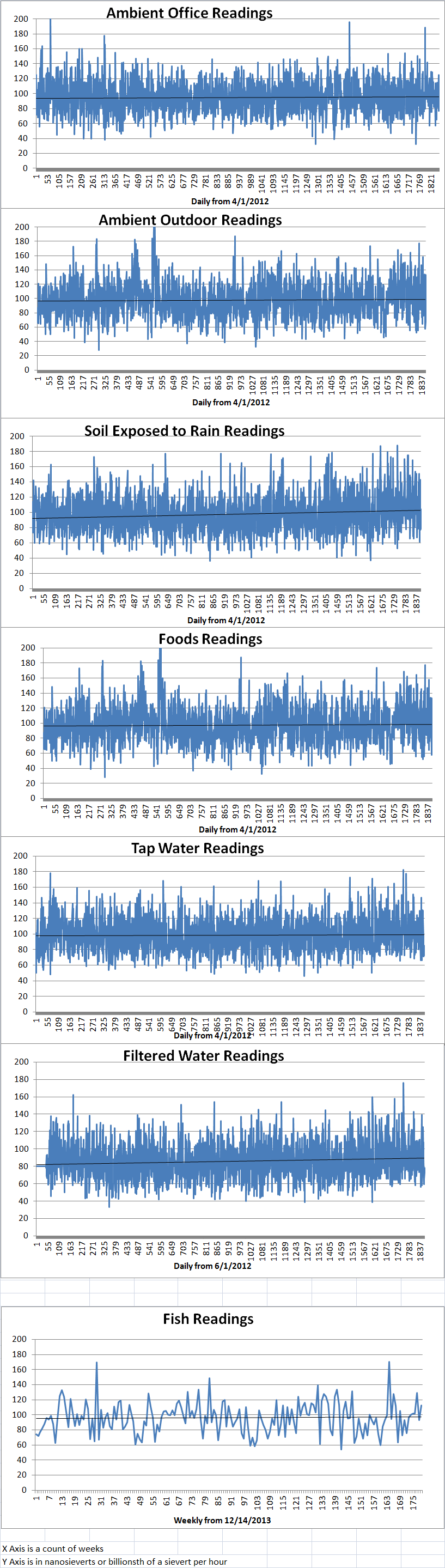
Ambient office = 93 nanosieverts per hourAmbient outside = 101 nanosieverts per hourSoil exposed to rain water = 104 nanosieverts per hourOrange bell pepper from Central Market = 133 nanosieverts per hourTap water = 85 nanosieverts per hourFilter water = 79 nanosieverts per hour -
Nuclear Fusion 34 – Google And Tri Alpha Energy Have Developed A New Algorithm To Help Stabalize Plasmas
I have been blogging about nuclear fusion lately as a source of energy. In nuclear fusion, light nuclei like hydrogen and helium are fused into heavier nuclei. An enormous amount of energy is released when nuclei fuse. Nuclear fusion research has absorbed billions of dollars over the last sixty years but has yet to yield a commercial power generation system. If nuclear fusion can be made into practical system for the generation of electricity, a lot of current problems involving energy generation will be reduced or eliminated. These include pollution, dangerous waste, carbon dioxide release and the danger of accidents at power plants.
In fusion reactors, ionized gas called a plasma is subjected to great pressure and temperature to trigger the fusion reaction. One of the big problems is controlling and stabilizing the confinement of the heated plasma. There are various approached to solving this problem but they all must deal with non-linear behavior including turbulence which can dissipate the plasma and interfere with the fusion.
Google which is famous for advanced artificial intelligence research and a fusion research company named Tri Alpha Energy have joined forces to work on the problem of dealing with non-linear behavior in plasmas. Together they have developed something called the Optometrist algorithm. The basic idea is to combine advanced AI and power computation with human judgement in order to develop better solutions to these complex problems. The computer presents the human with options and the human makes an intuitive choice. This works in much the same way as a human being at an Optometrist’s making a choice on which lense shows a clear version of a letter.
The new system was used by Tri Alpha Energy on their C2-U experimental machine and resulted in accomplishing in a few hours what would have previously taken a month. The algorithm allowed the operators to discover new and unexpected ways of handling the plasma in the machine. They were able to cut energy losses in half and increase total plasma energy. The president of Tri Alpha said “Results like this might take years to solve without the power of advanced computation.”
The C2-U machine operated on a cycle of once each eight minutes. Inside the machine, the plasma was subjected to a beam of hydrogen atoms which kept it spinning in a magnetic field for up to ten milliseconds. The purpose of the series of experiments was to see if the actual behavior of the plasma matched the theoretical models developed by the researchers. The use of the new algorithm led to the discovery of a configuration in which the cooling losses in the machine were balanced by the hydrogen beam. This resulted in an increase in the total energy of the plasma for around two milliseconds.
The C2-U machine has been replaced with a more complex and powerful machine called “Norman.” It began operations this month. If the experiments with the Optometrist algorithm are successful in the Norman machine, the next step will be to work on a prototype power generator. Tri Alpha Energy hopes to be able to actually produce electricity from a commercial fusion reactor within ten years.
The CEO of the Tokamak Energy has said with respect to the Tri Alpha fusion project, “While publicly funded laboratories excel at fundamental research, the private sector can innovate and adopt new technologies much more rapidly.”
-
Geiger Readings for Jul 25, 2017
Ambient office = 77 nanosieverts per hourAmbient outside = 80 nanosieverts per hourSoil exposed to rain water = 79 nanosieverts per hourBeefsteak tomato from Central Market = 68 nanosieverts per hourTap water = 80 nanosieverts per hourFilter water = 73 nanosieverts per hour -
Radioactive Waste 237 – Air Force Raises Complaints About Plans To Restart The Yucca Mountain Repository Project
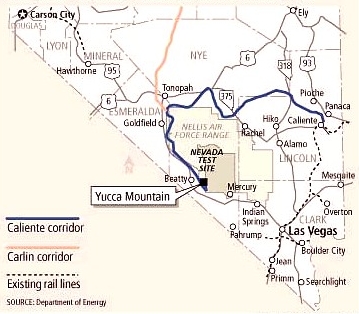
I have blogged about the Yucca Mountain Repository in Nevada for spent nuclear fuel before. The project was cancelled by the Obama Administration in 2009. There is now building momentum for restarting the project. Spent nuclear fuel is accumulating at nuclear power plants around the country and definitely needs to be dealt with.
Stepping back from questions about the safety of the Yucca Mountain site, there is the issue of transporting spent nuclear fuel from all over the country to Nevada for disposal if the Yucca Mountain Repository is actually built. Nuclear materials being transported are especially vulnerable to accidents and terrorists. If work on the Yucca Mountain repository goes forward, it is certain that there will be debates and lawsuits over the routes that the waste will take on the way to Nevada.
Yucca Mountain is in the southwest corner of the almost three billion acre Nevada Test and Training Range (NTTR) operated by the U.S. Air Force. The Secretary of the Air Force has raised issues about the transportation of spent nuclear fuel across the NTTR. She said in an interview with a Las Vegas newspaper “If Yucca Mountain becomes a storage area it needs to operate without impacting the ability of the country to defend itself. There is no route across the NTTR that would not impact testing and training. We do night operations. We train people to go to war. I don’t think my concerns are any different than what has already been expressed by my predecessors. … We still have a very high need to be able to use the Nellis training area for both training and tests.”
In 2003, in response to a proposed Chalk Mountain rail transportation route across the NTTR, the then Secretary of the Air Force wrote to the House Armed Services that such a route would affect mission-critical systems evaluations as well as air combat training. Three quarters of all of the Air Force live munitions testing takes place at the NTTR. The ability of stealth aircraft to evade radar is also tested at the NTTR. He pointed out that any routes along the edges of the NTTR would also cause problems with Air Force testing as would any over-flight restrictions imposed on the NTTR because of spent fuel shipments.
The twelve thousand square mile NTTR is the biggest contiguous air-and-ground space for military training in the U.S. or any of its allies. Unfortunately, due to the increased speed of new military jets, the NTTR is no longer big enough to conduct the necessary tests and the Air Force would like to expand the NTTR, not shrink and/or restrict it which would be the result of the completion of the Yucca Mountain Repository.
If the Yucca Mountain Repository is completed and put into service to dispose of spent nuclear fuel, it will solve one of the major problems of the nuclear power industry. But it will severely impact the ability of the Air Force to test planes and munitions at the NTTR. If the Repository is not built at Yucca Mountain, then the Air Force will be able to continue testing at the NTTR but the spent nuclear fuel will continue to pile up at the nuclear power plants. Either way, there will be pain consequences.
-
Geiger Readings for Jul 24, 2017
Ambient office = 125 nanosieverts per hourAmbient outside = 75 nanosieverts per hourSoil exposed to rain water = 77 nanosieverts per hourAvocado from Central Market = 58 nanosieverts per hourTap water = 72 nanosieverts per hourFilter water = 66 nanosieverts per hour -
Geiger Readings for Jul 23, 2017
Ambient office = 98 nanosieverts per hourAmbient outside = 135 nanosieverts per hourSoil exposed to rain water = 143 nanosieverts per hourCrimini mushroom from Central Market = 100 nanosieverts per hourTap water = 71 nanosieverts per hourFilter water = 60 nanosieverts per hour