Author: Burt Webb
-
Geiger Readings for Jun 07, 2017
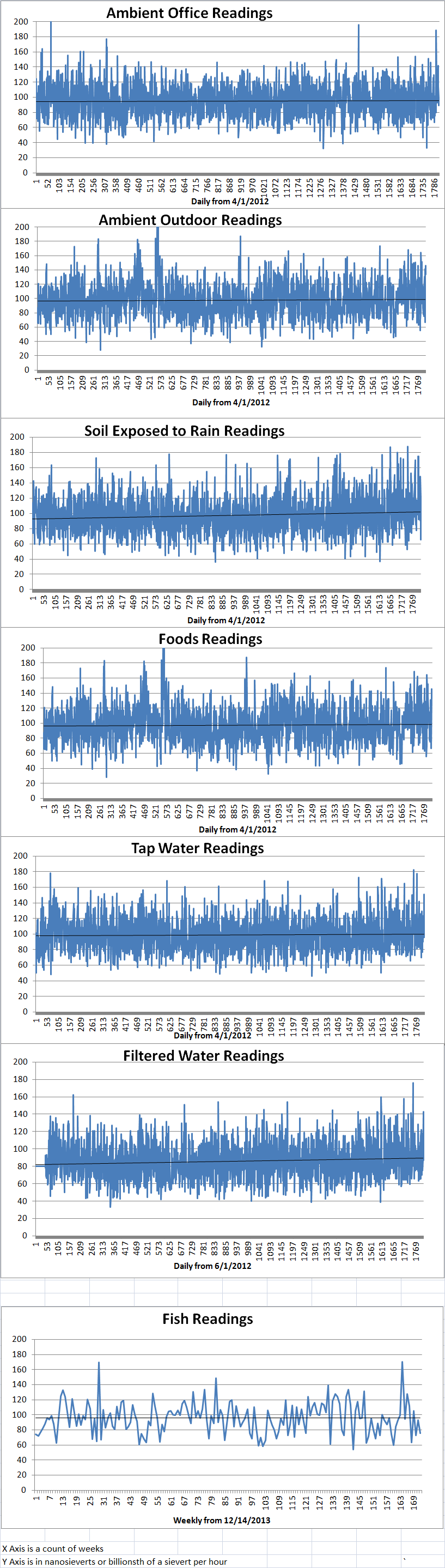
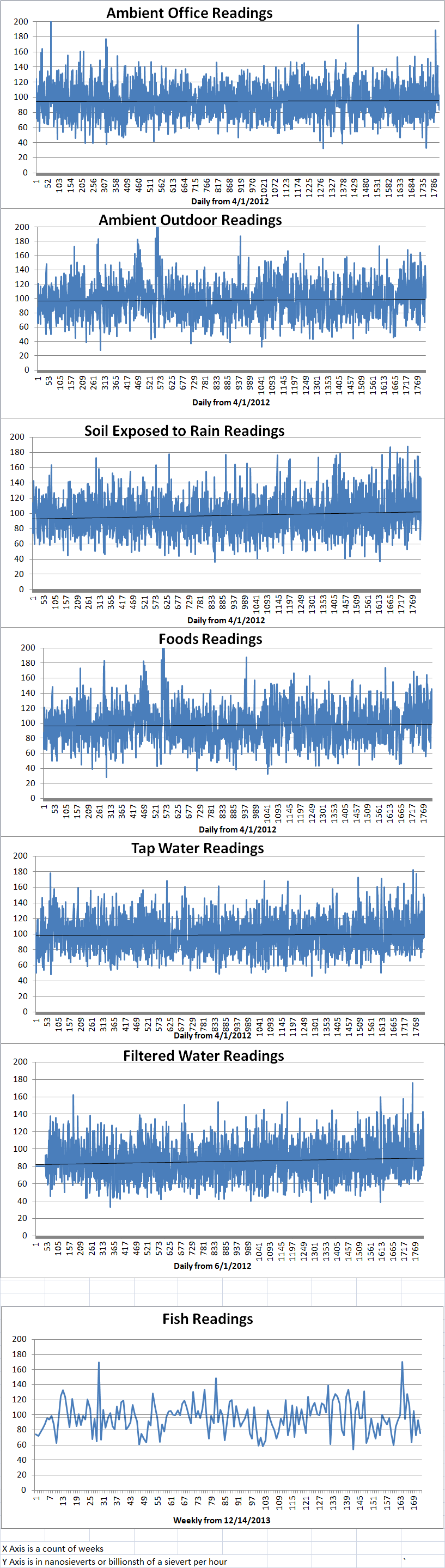
Ambient office = 84 nanosieverts per hourAmbient outside = 157 nanosieverts per hourSoil exposed to rain water = 146 nanosieverts per hourMexican avocado from Central Market = 101 nanosieverts per hourTap water = 102 nanosieverts per hourFilter water = 81 nanosieverts per hour -
Nuclear Reactors 284 – India Should Reconsider The Construction Of Ten New Nuclear Power Reactors – Part One of Two Parts.
Part One of Two Parts
India is one of the most populous nations on Earth. They are woefully short on the energy needed to run their nation and provide the growth they desire. The current energy mix in India consists of about fifty eight percent coal, about twenty seven percent oil, about six and a half percent natural gas, about four percent hydroelectric, a little over two percent renewables and a little over one percent nuclear.
This has been a difficult year for the nuclear industry. At the beginning of the year, Areva, the French nuclear company went bankrupt in the midst of a scandal over substandard nuclear components. The French government had to step in and support the purchase of Areva by EDF which has its own financial problems. In March, Westinghouse, the nuclear subsidiary owned by Japan’s Toshiba, declared bankruptcy, throwing the completion of nuclear reactor projects in the U.S. into doubt. In May, the U.S. Energy Information Agency estimated that the percent of nuclear power in the U.S. energy mix would be cut in half in the next thirty years. The new Presidents of both Korea and France have pledged to cut the percent of nuclear power in their nations. Switzerland just voted to phase out nuclear power entirely.
Last June, Indian Prime Minister Modi and U.S. President Obama announced that Westinghouse would build six new nuclear power reactors at Kovvada. Areva had made an agreement with India to build the biggest nuclear complex at Jaitapur. Critics of these arrangements had claimed that the deals were fiscally irresponsible and now they may been cancelled. Considering the recent financial problems of both of these companies, it is likely that if the projects had gone forward, they never would have been completed and the Indian taxpayers would wind up paying inflated prices for electricity. The critics say that the whole idea of nuclear power for India needs to be reevaluated.
Critics of nuclear power in India demand that the Indian government’s recent approval of the construction of ten seven hundred megawatt Pressurized Heavy Water Reactors (PHWR) be carefully reviewed and reconsidered. The projects to build the ten reactors have been in development for some time. In 2012, the United Progressive Alliance government provided a list of sites for the ten new reactors. Even so, construction delays for the first reactor projects, the problems in the global nuclear industry, the low cost of natural gas and the dropping cost of renewable energy sources have all combined to prompt calls for India to abandon all ten of the planned reactor projects.
The domestically manufacture of seven hundred megawatt PHWR reactors would certainly be cheaper than importing foreign reactors. However, it is likely that the energy they generate will be expensive compared to other sources. These seven hundred megawatt PHWR reactors have never been actually built and tested before in India. The biggest domestic reactors that have been built in India are five hundred forty megawatt PHWR. The construction of the first two seven hundred megawatt PHWRs has been delayed by more than two years and the government has been reluctant to share information about the related cost increases. Estimates of the cost of electricity during the first year of operation of the first two seven hundred megawatt PHWR reactors show that it will likely be greater than the cost of all the coal, natural gas and hydroelectric power currently being generated. Even the cost of renewable power has been dropping below the cost of nuclear power.
Please read Part Two
-
Geiger Readings for Jun 06, 2017
Ambient office = 103 nanosieverts per hourAmbient outside = 98 nanosieverts per hourSoil exposed to rain water = 93 nanosieverts per hourCrimini mushroom from Central Market = 116 nanosieverts per hourTap water = 147 nanosieverts per hourFilter water = 135 nanosieverts per hour -
Nuclear Weapons 284 – Cost Estimate Of Modernizing The U.S. Nuclear Triad Has Rising Twenty Percent
I have blogged recently about plans to update the U.S. nuclear arsenal. We have B-52 bombers that first flew in the middle of the last century. The missile silos containing our Minuteman fleet of intercontinental ballistic missiles are so out of date that their computers use eight inch floppy disks. They constitute the oldest and most vulnerable part of the U.S. nuclear triad.
President Obama called for expending a trillion dollars over the next thirty years on that goal. Although Obama once called for the eventual elimination of all nuclear weapons, his plans for our arsenal were actually the biggest call for spending on nuclear weapons since the Cold War administration of President Reagan in the 1980s. The Obama Department of Defense was eager to develop a new long-range nuclear-armed missile. The B-52s and B-1 were to be replaced with a new advanced stealth nuclear bomber. Our fleet of nuclear-armed submarines were to be retired and a new fleet of stealth submarines built and deployed. One of the biggest problems was the need to bring the Minuteman missile installations up to twenty first century computer security standards to prevent cyberattacks that could cripple that leg of our nuclear triad.
Critics of the modernization plans asked whether or not we really needed over fifteen hundred nuclear warheads to protect us. Considering the very expensive project to modernize our Minuteman fleet, some critics suggested that perhaps it is time to retire our ICBMs. They say that the other two legs of the triad, bombers and submarines are more than enough to keep us safe. Some analysts were concerned that the new cruise missile project was unnecessary and could be destabilizing for the nuclear balance between Russia and the U.S.
Unfortunately, the cooling relationship between Russia and the U.S. in the past few years made it unlikely that there could be a new round of negotiations to reduce the nuclear arsenals of both countries. Both countries have made public statements to the effect that they are going to spend a great deal of money to upgrade their nuclear arsenals. Both countries have also accused the other country of violating the existing nuclear arms treaties.
President Trump who has just taken office said, following his election, that the U.S. “must greatly strengthen and expand its nuclear capability.” Accusations that his election was aided by the Russians have made the U.S. and Russian relationship even more difficult and arms-reduction talks unlikely.
The Congressional Budget Office has just released a new estimate for the changes planned to the U.S. nuclear arsenal. The estimate for the whole project is now one trillion two hundred billion dollars. This is twenty percent above the estimate from the Obama administration. The question now is, in spite of forceful calls by Trump for upgrading our nuclear arsenal, will the Trump administration really have the fortitude to seek such expenditures in the next defense budget?
It may be difficult for Trump to overcome the resistance and backlash that are inevitable in light of the increased cost estimates for modernizing our nuclear arsenal. Currently, the modernization program is primarily in the development stages. The higher cost of producing and deploying the upgraded weapons and delivery systems will not arrive until after 2020.
Supporters of the modernization project claim that failing to follow through with the complete upgrade envisioned would severely increase the risks to our national security. They say that we really do need the new weapons to maintain the effectiveness the nuclear triad that now exists.
-
Geiger Readings for Jun 05, 2017
Ambient office = 99 nanosieverts per hourAmbient outside = 84 nanosieverts per hourSoil exposed to rain water = 65 nanosieverts per hourIceberg lettuce from Central Market = 146 nanosieverts per hourTap water = 96 nanosieverts per hourFilter water = 87 nanosieverts per hour -
Geiger Readings for Jun 04, 2017
Ambient office = 89 nanosieverts per hourAmbient outside = 123 nanosieverts per hourSoil exposed to rain water = 120 nanosieverts per hourRedleaf lettuce from Central Market = 134 nanosieverts per hourTap water = 151 nanosieverts per hourFilter water = 143 nanosieverts per hour