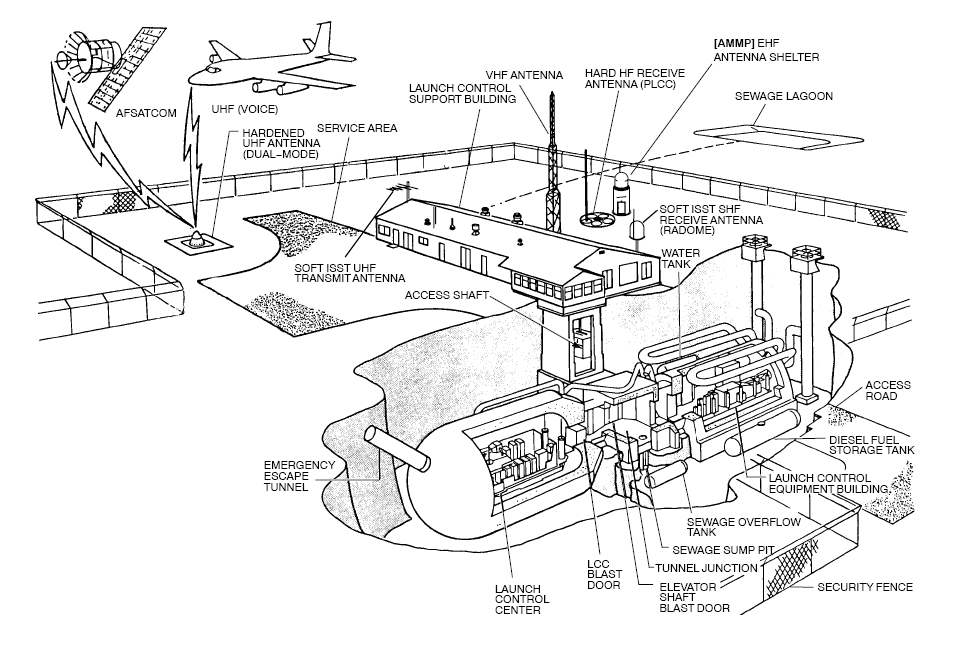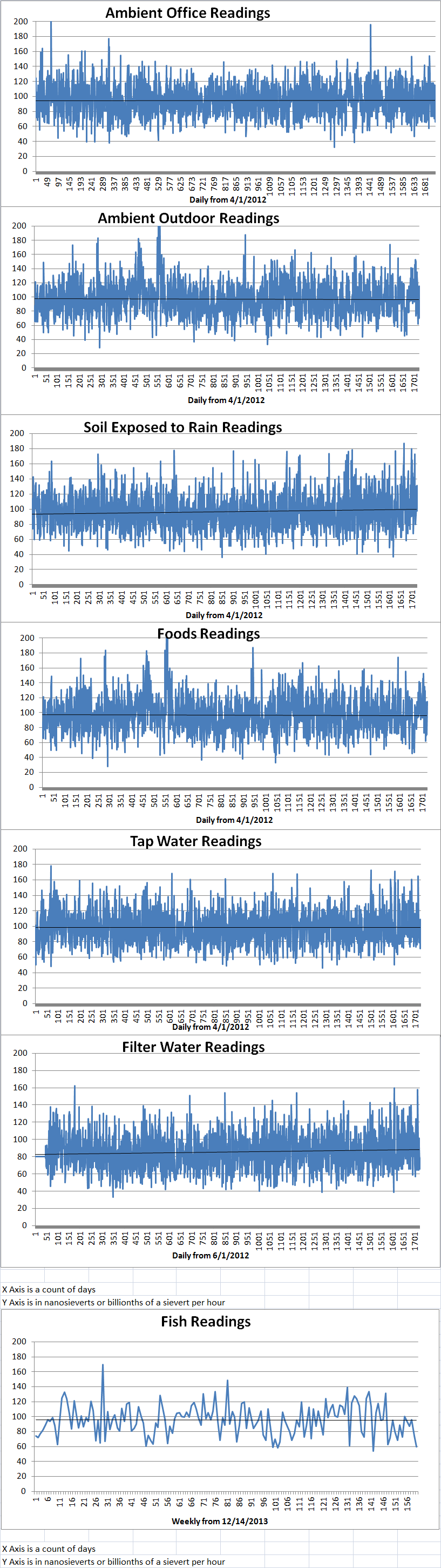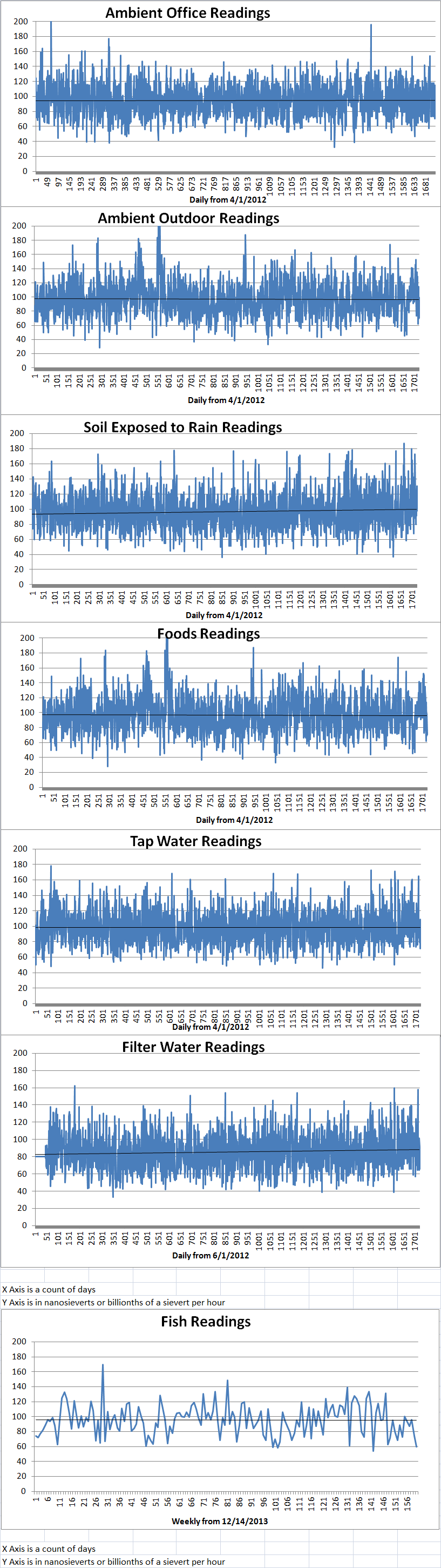
Russian nuclear power giant Rosatom said Wednesday that construction had officially begun on the Bushehr Unit 2 nuclear power plant in Iran. nuclearstreet.com

Cyberwarfare is in the news these days because of the Russian hacking of the DNC. It has been suggested that perhaps the U.S. could foil a launch of missiles by North Korea through cyberattacks on the computers in their launch systems. The possibility of cyberattacks on U.S. military systems have not received a great deal of coverage in the media but they are a very real and dangerous threat.
In the 1990s, a breach in a firewall protecting an important U.S. Naval radio transmitter in Maine could have allowed hackers to transmit control codes to ballistic missiles aboard U.S. submarines. This problem was so serious that after the breach was fixed, the U.S. Navy changed its procedures for submarine missile launch to require any unexpected launch commands to be verified by a second source before triggering missile launches.
In 2010, fifty Minuteman missiles disappeared from their control computer monitors for over an hour. The missiles crews worked frantically to find out what was wrong. There was a fear that an enemy had taken control of the missiles and could prevent them from being launched or, even worse, could launch them at unknown targets. It turned out that a circuit board had been installed incorrectly and the problem was fixed.
After the Minuteman missile the incident, President Obama ordered an inspection of missile control systems to find out if there were other potential problems. One of the problems discovered involved internet connections to the Minuteman missile silos. There was a gap in security that could have allowed hostile agents to shut down the missile guidance systems. The damage that could have been caused would have taken weeks to repair.
These problems raise the prospect of a country being able to cause the missiles of a second country to be launched against a third country. In the age of hair-trigger missiles which are ready to launch in minutes, a major retaliation against an innocent country could be over before anyone knew that country’s missiles control systems had been hacked. Another grave possibility is that hackers could cause warning systems to falsely report a launch of missiles by an adversary that would invite a retaliation before any such hacking could be discovered and reported.
The U.S. purchases components for nuclear missile systems from a variety of commercial sources. These components could be infected with malware such as viruses, trojans and/or worms. Some of the components on the market are manufactured in countries that could be opponents in future military confrontations. It would only be wise for such countries to build backdoors into their components that would let them remotely sabotage them or shut them off in a conflict.
If there were enemy agents within our defense establishment, they could exacerbate cyberattacks by sabotage or by deliberately inserting malware or opening links to enemy computers. Currently, postings to Minuteman missile silos are very unpopular which would make it easier for enemy infiltration. Much more needs to be done to tighten security for U.S. nuclear missile systems.
It would be best for us and the Russians to take our missiles off of their current hair-trigger launch status that only give decision makers minutes to decide if a launch warning is valid and to order retaliation. Better monitoring and control should be developed over the supply chain of components for nuclear missile systems. Better ways to protecting the miles of wiring and the computers in our missile launch systems need to be developed. And, finally, the widespread practice of cyberintrusion into the military computer systems of all countries should be outlawed by international treaty to reduce the risk of nuclear war.
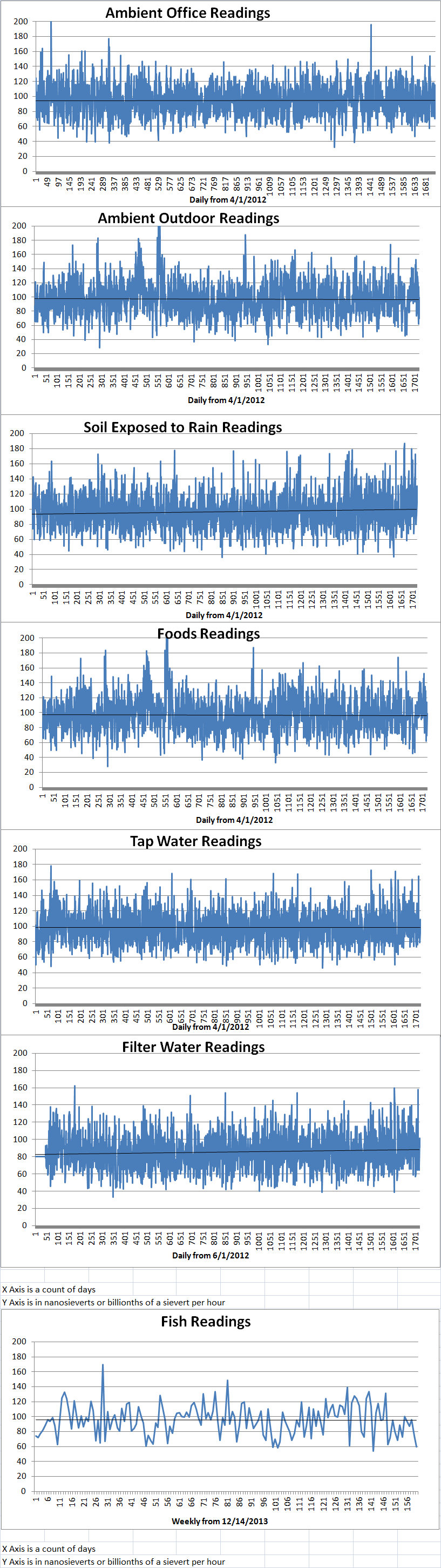
Minuteman missile control bunker:
Toshiba, the giant Japanese conglomerate, has been having serious financial problems for the past few years. There was an accounting crisis where Toshiba misreported some of their financial information and was drawn into court in a huge scandal. Toshiba also owns Westinghouse which builds nuclear power plants. Two AP1000 reactors that Westinghouse is building in the U.S. are behind schedule and over budget. There are nuclear infrastructure projects in the United Kingdom which are in serious trouble if Toshiba pulls out of the reactor construction business. There is a lot of talk in the nuclear industry that Toshiba is seriously considering selling its Westinghouse nuclear subsidiary.
Westinghouse would bring a buyer a horde of nuclear technology, intellectual property, and expertise. There are Westinghouse components in half of the power reactors in the world. If Westinghouse is sold, it would likely be restructured in order to free the company from obligations relating to current construction projects that are in financial trouble. Toshiba has not made a final decision on the sale of Westinghouse but has said that it will consider selling the nuclear subsidiary if it can find a buyer “committed to maintaining and developing the business in a way acceptable to its customers and governments where it operates.”
The Westinghouse AP1000 nuclear power reactor is a popular choice for new nuclear projects in the international market for nuclear infrastructure. The AP1000 is considered to be what is referred to as a Generation III+ reactor. It is advertised as being cheaper and easier to install and operate with enhanced safety features when compared to older power reactor designs.
China currently has thirty-six operational power reactors, is building twenty-one more and has still more being planned. By the next decade, China may have the biggest reactor fleet in the world. China wants to sell and build nuclear power reactors across the world and is aggressively pursuing that market. Westinghouse is constructing two AP1000 reactors for the Chinese but they are behind schedule and over budget. China has established a supply chain to construct Westinghouse AP1000 reactors. China is being discussed as a possible buyer of Westinghouse if it comes up for sale. If they purchased Westinghouse, it would help raise their credibility as a reliable source for nuclear power reactors. One problem that might be encountered in such a sale would be national security concerns of the U.S. and Japan.
South Korea is also interested in becoming a global supplier of nuclear power reactors. They have actually constructed and exported Generation III+ reactors. Kepco, the South Korean conglomerate is interested in possibly acquiring Westinghouse because they are moving into the international trade in power reactors. Kepco is not actively trying to buy Westinghouse but would consider purchase if Toshiba offers a good deal.
Japanese nuclear companies including Mitsubishi Heavy Industries Ltd., Hitachi and Toshiba have discussed combining their fuel supply units following the long-term loss of business caused by the Fukushima disaster and the shutdown of all Japanese power reactors. The three companies might consider combining their nuclear divisions in order to hold onto expertise and market share for trade in nuclear technology. On the other hand, they have different technologies and reactor designs which would make it difficult to integrate their nuclear divisions. All three have denied any current plans to combine their nuclear businesses.
A local man says he has a great idea for getting rid of nuclear waste. Frank Lenz is the President Elect of the Rotary Club of Marquette, Michigan. uppermichiganssource.com
Dilapidated nuclear power plants across the border in France, Switzerland and Belgium put the German population and economy at risk, argues Green Party lawmaker Sylvia Kotting-Uhl. handelsblatt.com
Austrian Foreign Minister Sebastian Kurz has expressed hope that Japan will join negotiations later this month on a treaty outlawing nuclear weapons. japantimes.co.uk