Author: Burt Webb
-
Geiger Readings for Sept 29, 2016
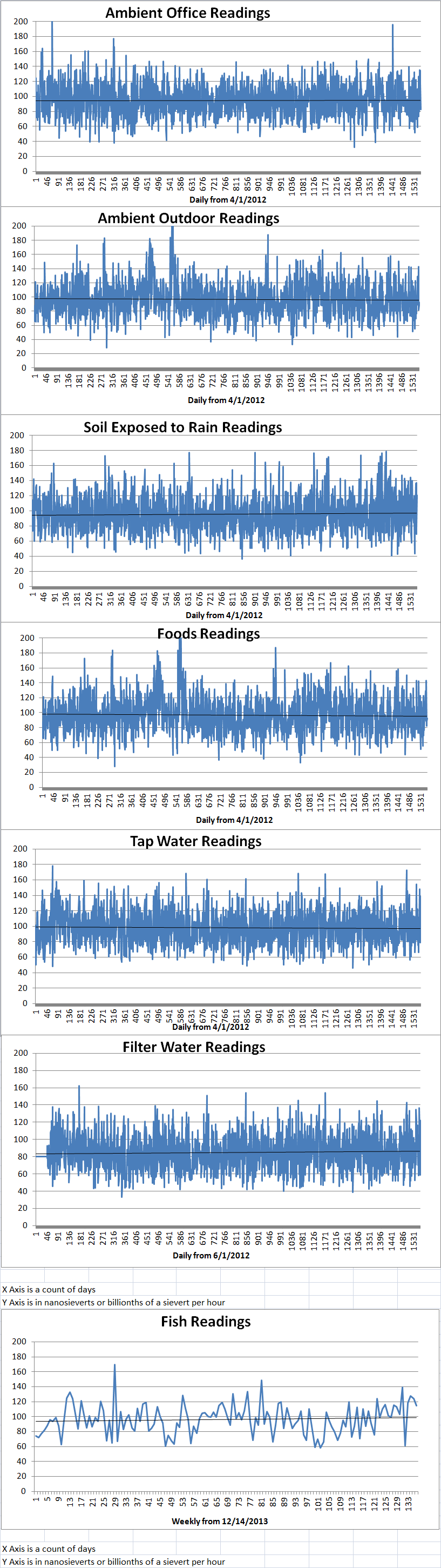
Ambient office = 83 nanosieverts per hourAmbient outside = 120 nanosieverts per hourSoil exposed to rain water = 121 nanosieverts per hourCrimini mushroom from Central Market = 92 nanosieverts per hourTap water = 79 nanosieverts per hourFilter water = 59 nanosieverts per hour -
Radioactive Waste 193 – New Interim Spent Nuclear Fuel Facility Being Planned For South Carolina
South Carolina has a history of being willing to take in radioactive waste from other states. The Savannah River Site stores high-level radioactive waste from other states and other countries. There have recently been protests over a plan to move waste from the Chalk River Labs in Canada down to the Savannah River Site. There is a dump in Barnwell Country, S.C. used for low-level radioactive waste generated at U.S. nuclear power plants. In 2000, the dump was closed to all states but S.C., New Jersey, and Connecticut. That facility has be criticized for allowing tritium to leak into the groundwater in the area.
Spent fuel pools at nuclear power plants nation-wide are filling up and reactors will have to be shut down if temporary storage is not created in the near future. S.C. is no exception and needs to get temporary storage for spent nuclear fuel built as soon as possible. Since the Yucca Mountain Repository project for permanent disposal of spent nuclear fuel was cancelled in 2009, there will be no permanent storage option in the U.S. until 2050 at the soonest.
In July, the Nuclear Regulatory Commission received notice of a plan from the Spent Fuel Reprocessing Group (SFRG) for a new interim disposal site for high-level nuclear waste from S.C. nuclear power plants. In the proposal, the SFRG said that there is “the need to consolidate (spent nuclear fuel) for economy and security and to lessen the burden on operating nuclear power plants in South Carolina.”
The plan calls for temporarily storing the spent fuel until it can be reprocessed for use in nuclear power reactors. Reprocessing spent nuclear fuel has been controversial in the U.S. Supporters say that it can be carried out safely and effectively. Critics say that it would create yet more radioactive waste to add to the growing waste storage problem in the U.S. If the spent fuel at the new facility is not reprocessed, then it will have to eventually be moved to a permanent facility. This would increase the risk of dealing with this waste.
Licensing of such a facility can take more than three years but if it is eventually approved, it will certainly draw strong opposition. Many citizens of S.C. feel that S.C. has already taken in a lot more than their fair share of radioactive waste in the U.S. S.C. environmental groups have already said that they are preparing to oppose any attempt to make S.C. into a “atomic waste dumping ground.” In addition, Nikki Haley, the Governor of S.C., has concerns about the project. Her office issued the following statement: “South Carolina will not become a permanent dumping ground for nuclear waste regardless of where it would be housed or who would house it.”
Duke Energy operates three of the four nuclear power plants in S.C. Duke has denied any knowledge of the plan and declined to comment. As has South Carolina Electric & Gas is building two new nuclear reactors at its Fairfield County power plant in S.C. They would not respond to requests for their reaction to the SFRG plan. This is an odd situation. The new storage facility would be built to take spent nuclear fuel from S.C. nuclear power plants but the group planning the facility has apparently not discussed this facility with the companies who would need its services.
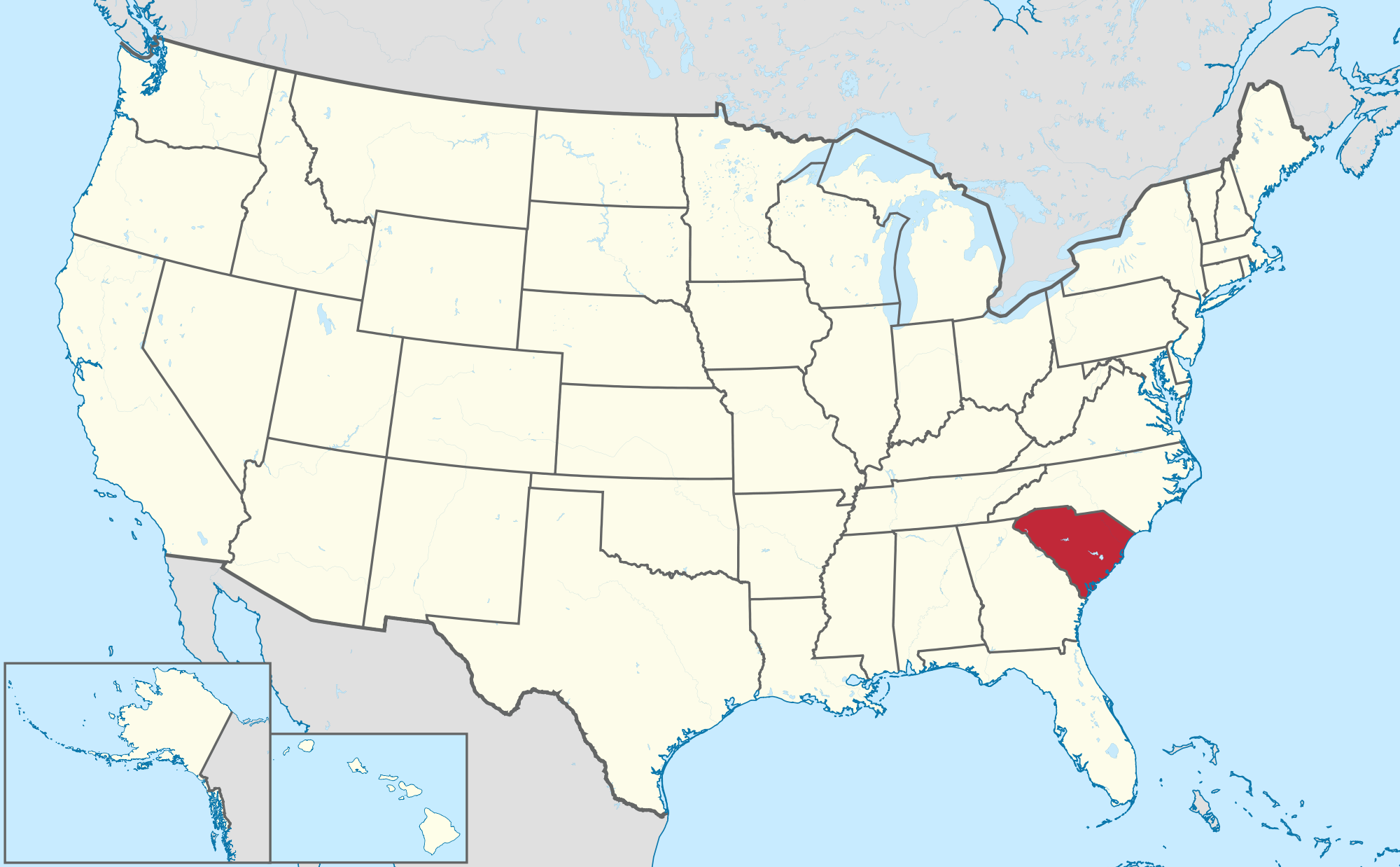
South Carolina:
-
Geiger Readings for Sept 28, 2016
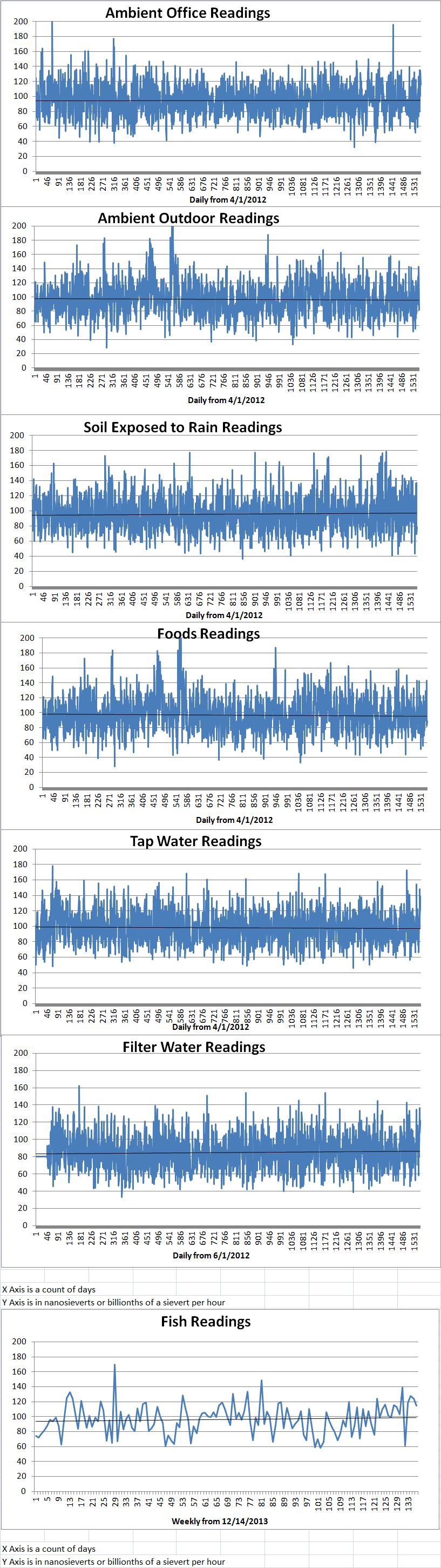
Ambient office = 116 nanosieverts per hourAmbient outside = 91 nanosieverts per hourSoil exposed to rain water = 79 nanosieverts per hourCrimini mushroom from Central Market = 88 nanosieverts per hourTap water = 139 nanosieverts per hourFilter water = 122 nanosieverts per hour -
Radioactive Waste 192 – Problems With Test Drilling For Deep Borehole Disposal Of Nuclear Waste
Spent nuclear fuel waste is a big problem with nuclear power. In the U.S., a permanent geological repository was supposed to be ready by 1999 but the Yucca Mountain Repository project was cancelled by 2009 and the best estimate for a repository at a new location is now 2050. There are over sixty million metric tons of spent nuclear fuel in cooling pools at reactor sites and in temporary dry casks in the United States. Spent pools are rapidly filling up and something has to done with that waste soon or it will require the shut down on some reactors within a few years.
One promising permanent disposal method is to drill five miles deep holes into Precambrian basement rock. This is far below the water table and would indeed be a permanent safe storage for spent nuclear fuel. Fuel assemblies would fill the bottom two miles and the rest of hole would be filled with rock, concrete and dirt. The surface could be landscaped and there would be no risk from and no sign of the buried nuclear waste. The technology for drilling deep holes exists.
The type of basement rock needed exists under the eastern half of the U.S. where most of the existing nuclear power plants are located. The holes could be drilled at each nuclear power plant and the spent nuclear fuel inserted without the need for transportation to a national disposal facility. The cost would be spread out over time and sites without the massive investment a national repository would require.
Early this year, the U.S. Department of Energy gave Battelle Memorial Institute in Columbus, Ohio a thirty five million dollar five year grant to drill a test hole into basement rock beneath either Pierce County, North Dakota or Spink County, South Dakota. There was no plan to place any radioactive material in the test hole. It was strictly intended to learn about the geology and technical problems associated with drilling this type of hole.
Unfortunately for the DoE and Battelle, the strong opposition of the citizens of the two counties to the project was unanticipated. After failing to gain public acceptance in North Dakota, efforts to secure support in South Dakota also included greater efforts to inform the public earlier in the process. The local community feared that if the test proved successful the site would eventually be used for disposal of spent nuclear fuel. They were also afraid that problems with the drilling could pollute local aquifers that the community depends on for drinking and irrigation water. The local government rejected the test drilling. This summer the DoE and Battelle agreed to cancel the project altogether.
A request for bids for a new test drilling project was put out in August. This time, the bids had to specifically allow for public involvement from the very beginning. Permanent project staff would have to be onsite from the start of the project to interact with the public and deal with public concerns. Part of that engagement would be an effort to convince the citizenry of the importance of the project and the benefits that would be realized by the local community. A variety of sites will be considered for the test drilling.
-
Geiger Readings for Sept 27, 2016
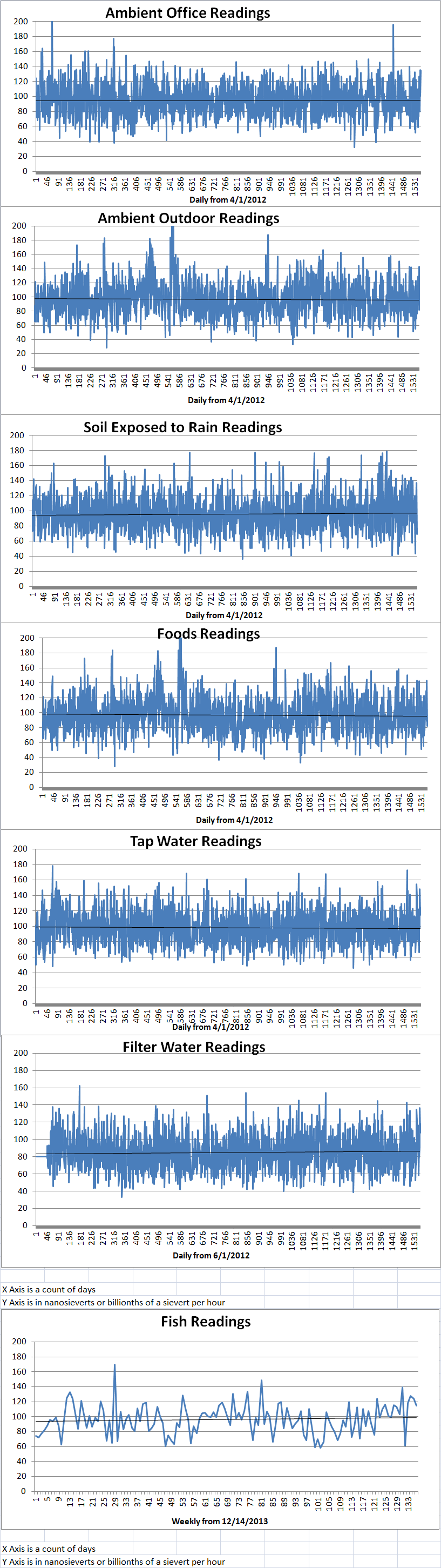
Ambient office = 135 nanosieverts per hourAmbient outside = 80 nanosieverts per hourSoil exposed to rain water = 70 nanosieverts per hourCarrot from Central Market = 82 nanosieverts per hourTap water = 124 nanosieverts per hourFilter water = 119 nanosieverts per hour -
Nuclear Reactors 411 – Standarization of the Nuclear Industry and Small Modular Reactors
I recently blogged about calls for standardization for nuclear reactor design presented at the 41st Annual Symposium of World Nuclear Association’s in London in mid-September. This particular presentation was focused on big reactors like the ones currently in use.
Vanessa Jakovich, who chairs the World Nuclear Association’s Licensing and Permitting Task Force also discussed standardization at the Symposium. She pointed out that the current variety of regulations and laws in different countries made standardization and cooperation difficult.
After talking about big reactors, she said that the push for small modular reactors (SMRs) would definitely benefit from standardization which will be easier because they are just being developed and the existing laws and regulation should be modified anyway. She talked about different ways in which SMRs are different from current power reactors.
Their small size means that they can provide more flexibility with respect to expansion of capacity. They will be cheaper which will make financing easier to obtain. They also produce less nuclear waste from spent fuel which will make them more attractive. On the other hand, questions have been raised about whether or not the cost of constructing and operating several SMRs will be any cheaper than construction and operating one big reactor.
They will be manufactured in factories which will allow for standardization of components and better quality control. However, one problem with prefabrication is the fact that if there is a flaw in the design, every reactor from that particular batch will share the flaw. There will also be a separation between the manufacturers and operators.
Many SMR designs have passive safety systems that allow the plant to shut itself down in an emergency where all power to the plant is shut off. This will it easier to operate such nuclear power reactors. On the other hand, the passive safety systems better work exactly as planned or there could be problems.
SMRs are small enough to consider putting underground. That would reduce seismic risk and the risk of releasing nuclear materials into the environment. There will also be a reduced demand for cooling water.
The SMRs will be small enough to move from their operational site to a special facility for decommissioning. This will be more efficient than the current practice of decommissing every reactor on site. On the other hand, this will require the transportation of the reactor to the decommissioning site with attendant risks of accidents or theft.
On the one hand, SMRs are new and unproven. On the other hand, because they are smaller and made in factories, they can be more easily modified during manufacturing than is currently the case for onsite conventional reactors.
If new international standards could be drafted for SMRs, then they could be easily manufactured in one country and transported to another country for installation and use.
One possible impediment to the widespread use of SMRs concerns the International Atomic Energy Agency’s Convention on Nuclear Safety. Article 9 demands that the operators take primary responsibility for the reactor. However, due to the fact that the reactor will have be built offsite at a factory, the operators will have less oversight in construction than they currently do for conventional reactors. Article 18 says that reactors must be operated according to well established and well tested procedures. Because the SMRs are so new, the existing recognized procedures may not be appropriate for their operation.
There will definitely have to be major changes to licensing and regulation of nuclear power plants in order for SMRs to widely accepted and adopted.