Category: Uncategorized

  • Geiger Readings for May 17, 2022

    Geiger Readings for May 17, 2022

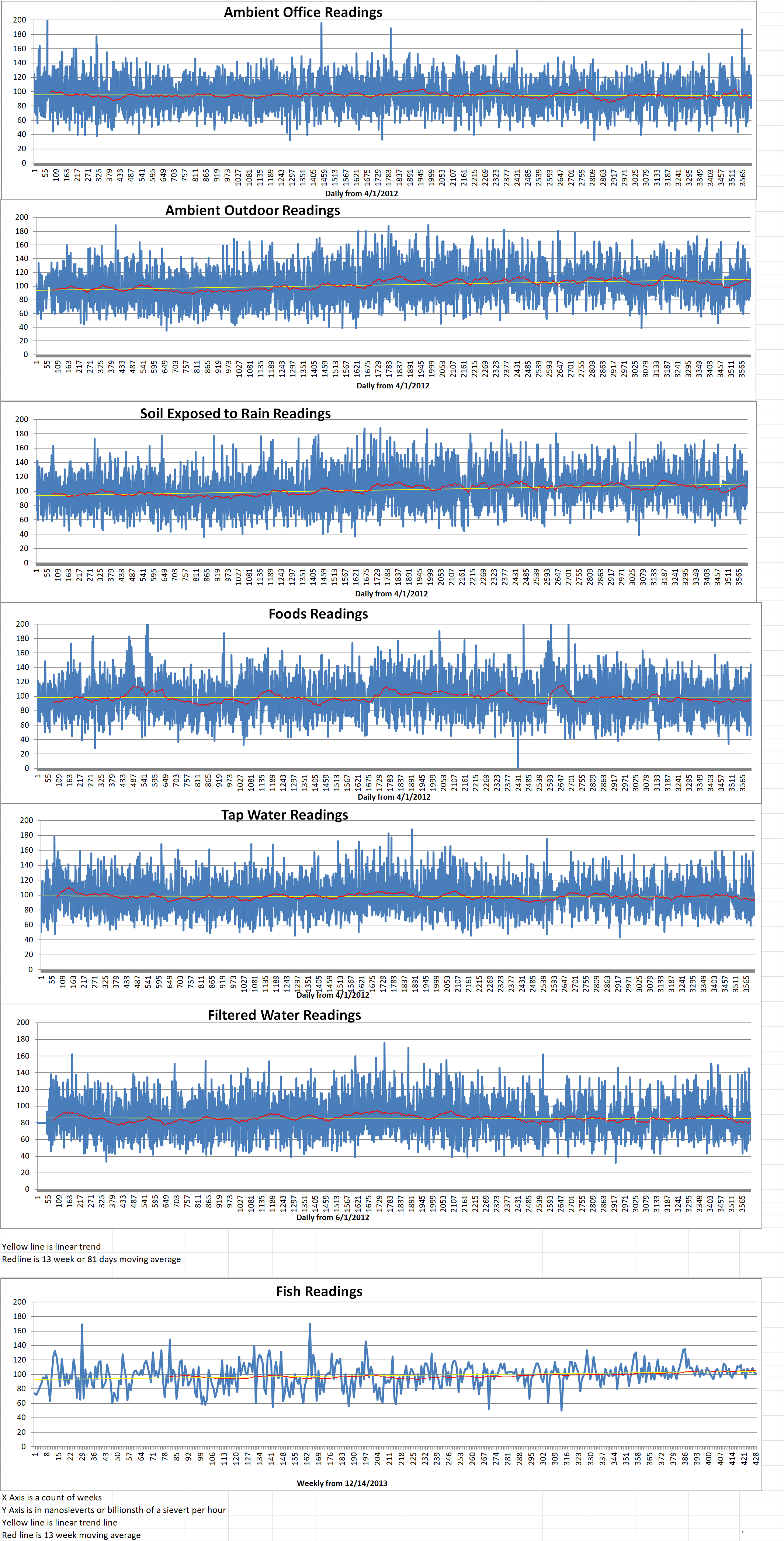
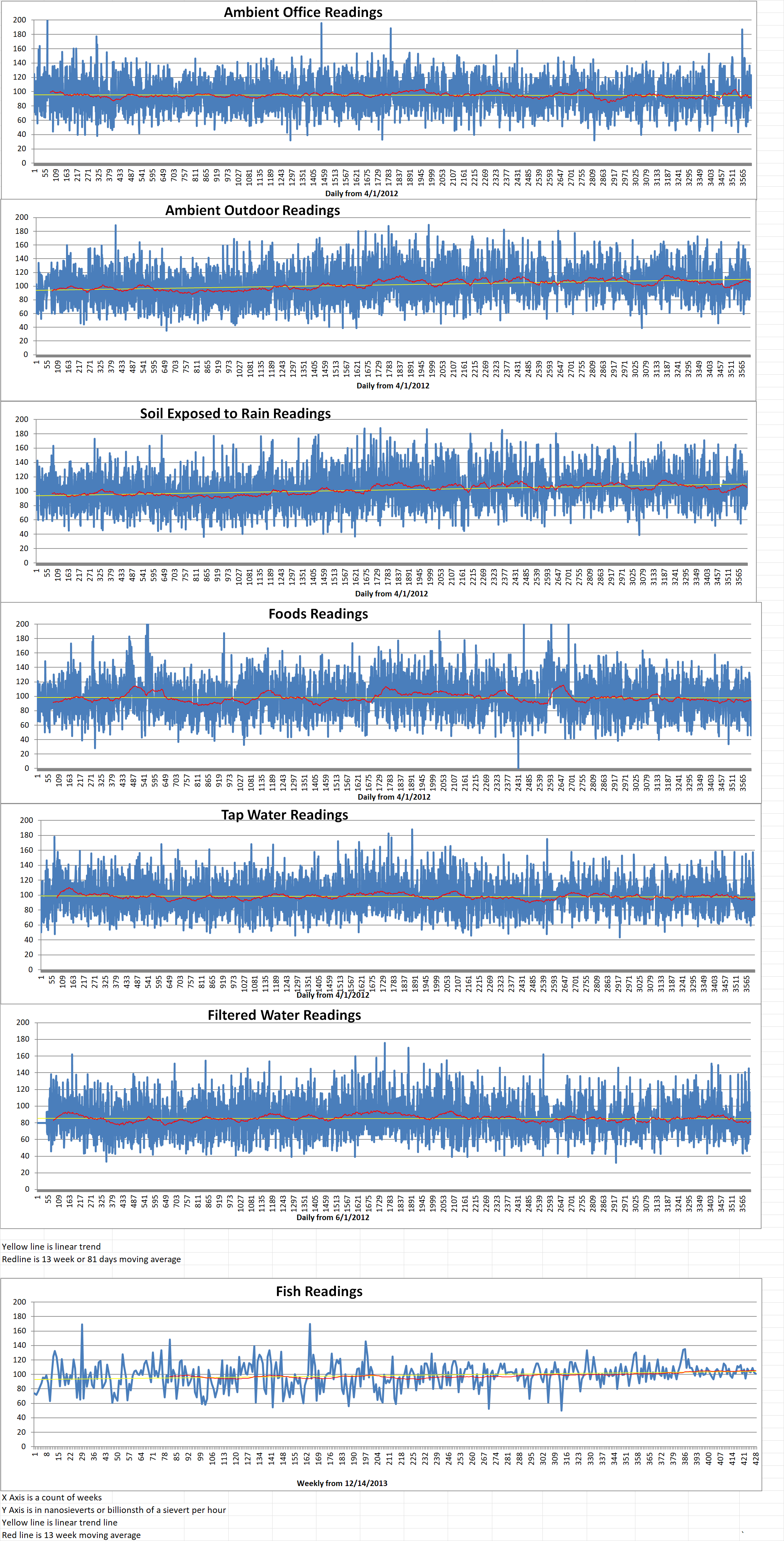
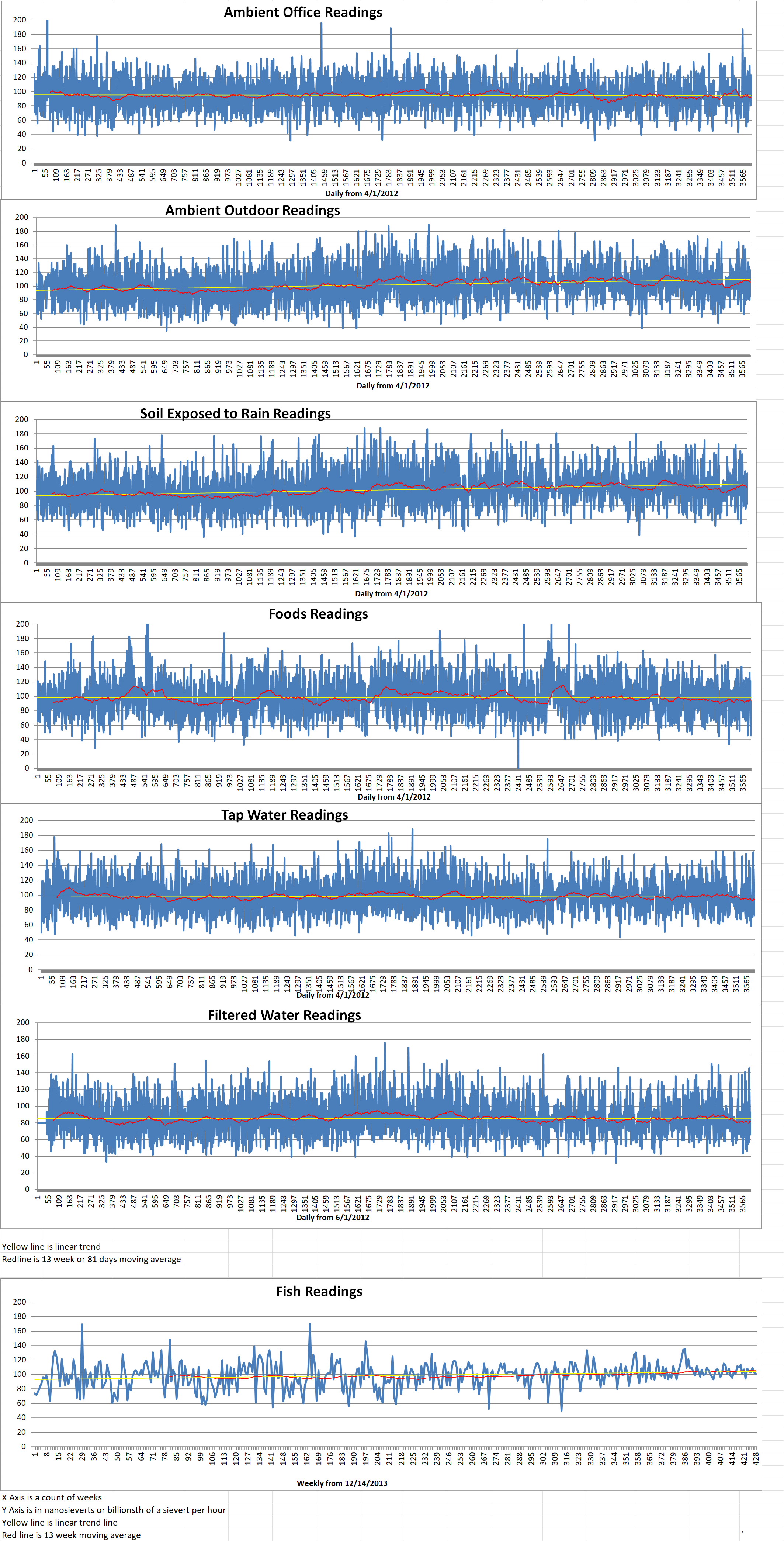
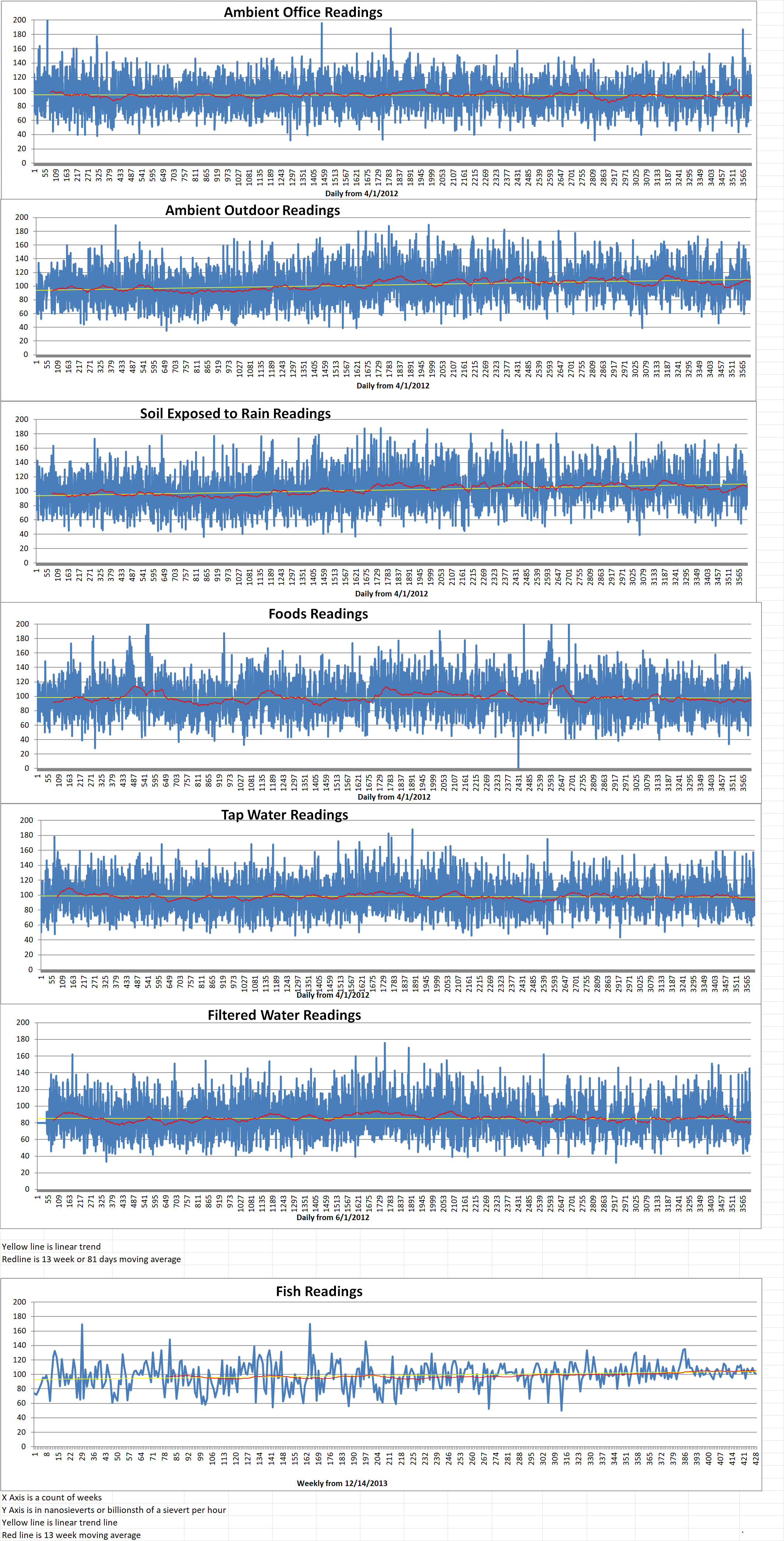
    Ambient office = 80 nanosieverts per hour

    Ambient outside = 117 nanosieverts per hour

    Soil exposed to rain water = 119 nanosieverts per hour

    Lemon from Central Market = 144 nanosieverts per hour

    Tap water = 84 nanosieverts per hour

    Filter water = 59 nanosieverts per hour

  • Radioactive Waste 856 – Debate Rages Over Dumping Irradiated Wastewater Into Cape Cod Bay – Part 2 of 2 Parts

    Radioactive Waste 856 – Debate Rages Over Dumping Irradiated Wastewater Into Cape Cod Bay – Part 2 of 2 Parts

    Part 2 of 2 Parts (Please read Part 1 first)
         During the Senate field hearing, attorneys from the Massachusetts Attorney General’s Office and from the National Resources Defense Council, an environmental law firm, brought up the NRC’s proposed rule changes.
         Seth Schofield is a senior attorney at the Attorney General’s office. He took issue with the NRC’s track record of oversight at Pilgrim. He also said that the proposed rules water down the agency’s already anemic oversight. The rules allow the NRC to take a “hands-off approach and allow the licensees to make all the meaningful decisions. It is a risky approach.”
         Geoffrey H. Fettus is an attorney with the Natural Resources Defense Council. He said that he hoped the NRC would take all the feedback from those who testified at the May 6th subcommittee hearing and incorporate it into its final decision on rule changes. He added that “This rule [change] is the last good chance to get it right. Set the ground rules for sites around the country. The proposed rule does not do that.”
         The NRC meeting followed the Markey hearing by two days and was much less contentious. The purpose of the NRC hearing was to give an overall description of the changes governing the decommissioning process for nuclear power plants across the country. The presenters at the meeting also asked audience members to send comments about the changes to the NRC during a public comment period that has been extended until the 30th of August.
         The proposed NRC rules would implement specific regulatory requirements for different phases of the decommissioning process. The new rules would be consistent with the reduced risk and based on lessons learned from plants that have recently transitioned to decommissioning. The proposed rules also included changes in emergency preparedness planning, funding, and reporting requirements for plants undergoing decommissioning. The NRC’s final report is expected to be finished by May of 2024.
         The language at the hearing was very technical and it seemed to be geared to industry insiders. However, the audience stayed until the question-and-answer period at the end of the hearing. Although audience members said little about the proposed rule changes, they made it clear that the discharge of radioactive wastewater into Cape Cod Bay should be prohibited by the NRC.
         Henrietta Cosentino is a member of the Plymouth Area League of Women Voters. She said, “I would have to spend days going over this.” She was concerned about the casks of nuclear material stored near the side of the road at the Pilgrim plant. She asked whether the NRC’s oversight extended to such vulnerable storage areas. She was told that the proposed rules did not address changing the storage standards. However, Ms. Cosentino was told that she could submits comments on the matter.
         Many environmentalists stated that they want the NRC to stop the plan to discharge radioactive water into the Bay.
          Diane Turco is a spokesperson for the Cape Downwinders. She said that the NRC should enforce its existing rules before trying to adopt new ones. She added that “I don’t have much faith in your proposals. You need to go back to the drawing board.”

  • Geiger Readings for May 16, 2022

    Geiger Readings for May 16, 2022

    Ambient office = 77 nanosieverts per hour

    Ambient outside = 126 nanosieverts per hour

    Soil exposed to rain water = 128 nanosieverts per hour

    English cucumber from Central Market = 80 nanosieverts per hour

    Tap water = 93 nanosieverts per hour

    Filter water = 70 nanosieverts per hour

  • Geiger Readings for May 15, 2022

    Geiger Readings for May 15, 2022

    Ambient office = 115 nanosieverts per hour

    Ambient outside = 123 nanosieverts per hour

    Soil exposed to rain water = 125 nanosieverts per hour

    Blueberry from Central Market = 46 nanosieverts per hour

    Tap water = 89 nanosieverts per hour

    Filter water = 67 nanosieverts per hour

  • Geiger Readings for May 14, 2022

    Geiger Readings for May 14, 2022

    Ambient office = 123 nanosieverts per hour

    Ambient outside = 85 nanosieverts per hour

    Soil exposed to rain water = 83 nanosieverts per hour

    Avocado from Central Market = 93 nanosieverts per hour

    Tap water = 73 nanosieverts per hour

    Filter water = 66 nanosieverts per hour

    Dover sole = 101 nanosieverts per hour

  • Radioactive Waste 855 – Debate Rages Over Dumping Irradiated Wastewater Into Cape Cod Bay – Part 1 of 2 Parts

    Radioactive Waste 855 – Debate Rages Over Dumping Irradiated Wastewater Into Cape Cod Bay – Part 1 of 2 Parts

    Part 1 of 2 Parts
         It has been a contentious week for nuclear plant discussions among Massachusetts legislators and environmentalists debating the wisdom of discharging radioactive wastewater into Cape Cod Bay. The debate began last week on May 6th. U.S. Senator Edward J. Markey, a Democratic Senator from Massachusetts, convened an unusual field Senate subcommittee hearing in Plymouth Town Hall.
         The hearing was sort of a preemptive strike to put the Nuclear Regulatory Commission (NRC) on notice that Massachusetts legislators and residents oppose proposed changes in rules governing the decommissioning of nuclear power plants in general and, in particular, the Pilgrim Nuclear Power Plant.
         The hearing was confrontational at times. It involved grilling nuclear industry representatives and a lengthy interview with the CEO of Holtec International (HI). HI is the parent company of the Holtec subsidiary now dismantling the shuttered Pilgrim plant.
          On May 9th, the NRC held the sixth and final of its national public meetings in Plymouth to outline those proposed rules. Environmentalists and legislators were unrestrained at the hearing. They said that the proposed rules would weaking federal oversight of the dismantling process and make it easier for private industry to cut corners.
         The biggest apparent victory at the hearing came at the subcommittee hearing when Senator Markey was interviewing Holtec International’s CEO Krishan P. Singh. Mr. Singh repeatedly said that dumping as much as one million gallons of irradiated wastewater into Cape Cod Bay is one of three options that Holtec is considering to facilitate its site cleanup at Pilgrim. The water has been used over the years to cool the plant’s equipment. It would be cleansed and made safe before it was discharged into the Bay, according to Mr. Singh. He said that the levels of radiation would be far lower than the safe limits set by the Environmental Protection Agency (EPA). He added that “It does not raise concerns in people who are knowledgeable about the subject. It is not contaminated. It is processed water.”
         Senator Markey responded to Singh testimony that the community would feel better if an independent body with fisheries expertise was contacted to evaluate the wastewater’s long-term potential effect on the delicate environment of Cape Cod Bay. Marky said that the Woods Hole Oceanographic Institution is world-renown and trusted by the people of Cape Cod and Plymouth. It would be an excellent choice to call in as an expert. Why not utilize WEHOI to test water samples and determine the safety of the processed water? Mr. Singh responded at the hearing that he would approve of such testing. He added “I think it’s a great addition.”
         Mr. Singh sent a follow-up letter to Senator Markey’s office last Wednesday. In the letter, Mr. Singh reiterated his promise not to dump any radioactive wastewater into the Bay until WHOI determines that the level of radiation in the water would not affect marine life. In the letter, Mr. Singh said, “We will delay the completion of [the] decommissioning program, if need be, and hold the process[ed] water inside the plant for as long as necessary, if the expert scientific opinion advice is against discharging the remaining plant water into the bay.” Mr. Singh made other promises at the hearing. He claimed that he would work to improve communication with the community and the local labor unions.
    Please read Part 2 next