Blog
-
Geiger Readings for June 23, 2015
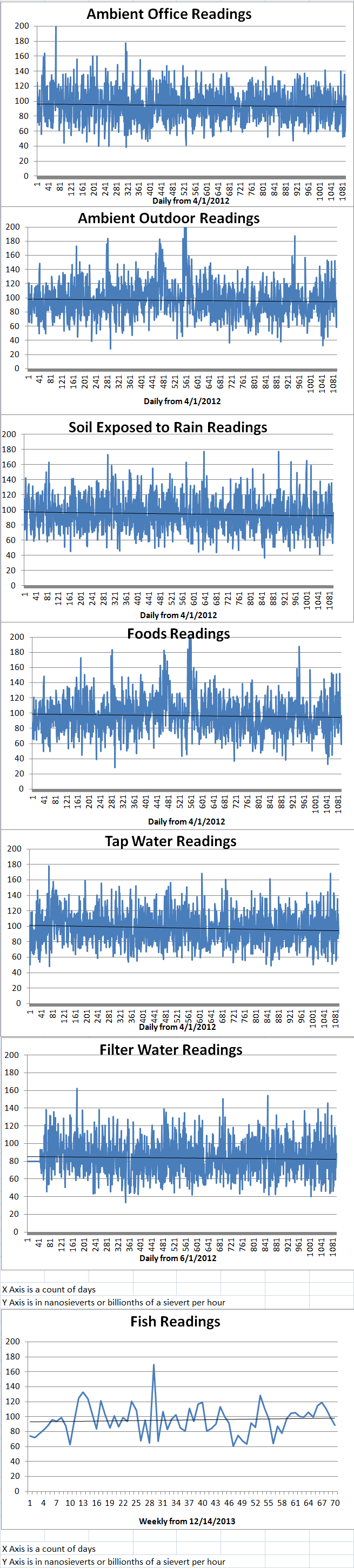
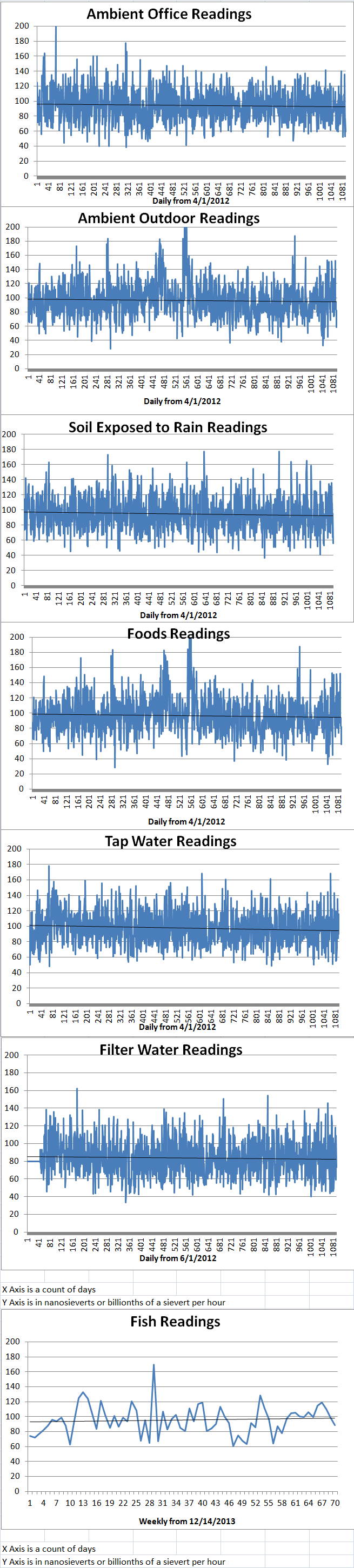
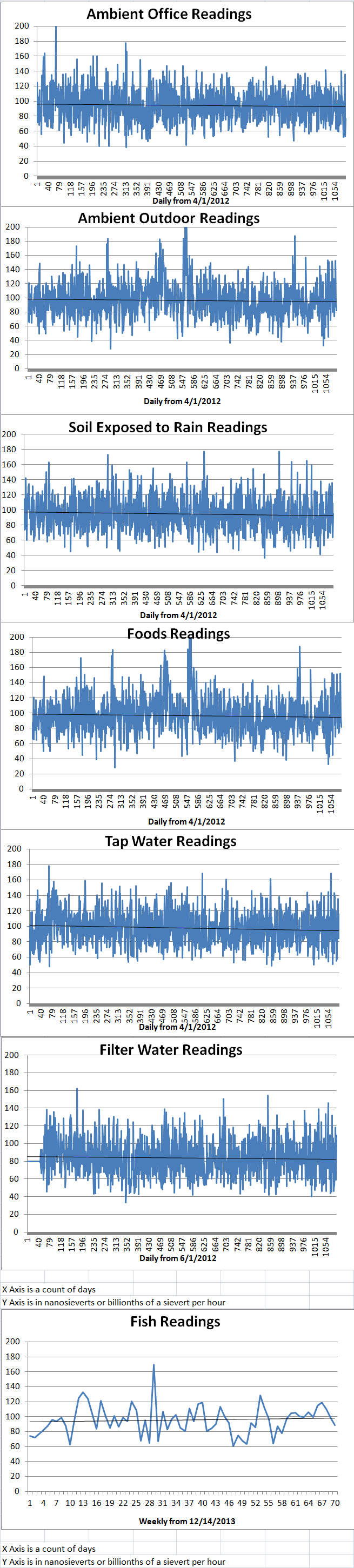
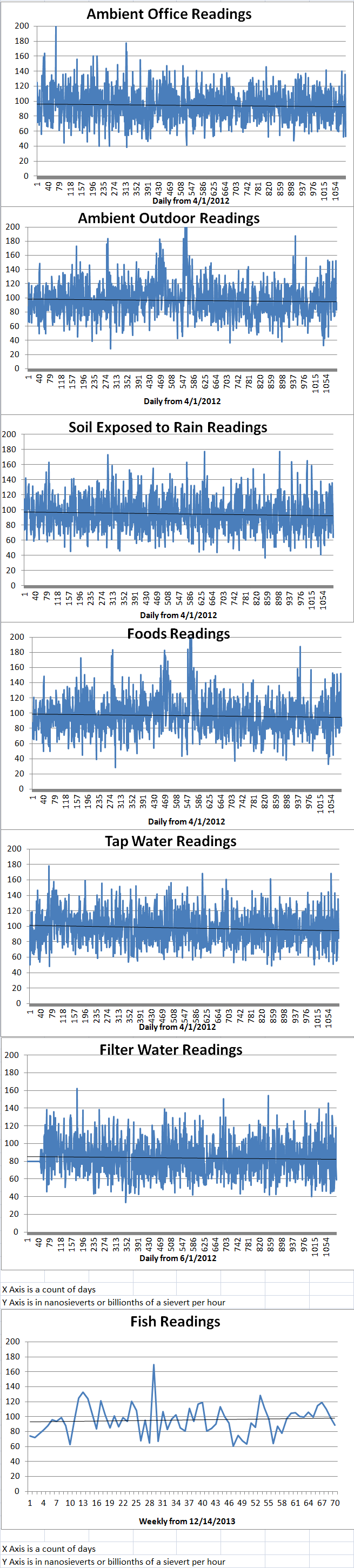
Ambient office = 107 nanosieverts per hourAmbient outside = 97 nanosieverts per hourSoil exposed to rain water = 97 nanosieverts per hourRed bell pepper from Central Market = 96 nanosieverts per hourTap water = 97 nanosieverts per hourFiltered water = 89 nanosieverts per hour -
Nuclear Reactors 259 – UK Regulators Challenge GE-Hitachi on Safety of Advanced Boiling Water Reactor
Most of the nuclear power reactors in current operation are Generation II reactor designs. The Generation III designs were developed based on decades of experience with the older Generation II designs. Some of the improvements include better fuel handling technology, more efficient utilization of fuel, superior thermal efficiency and passive nuclear safety systems. The Generation III reactors follow a more standardized design than the old Generation II reactors which reduces capital costs and maintenance expense.
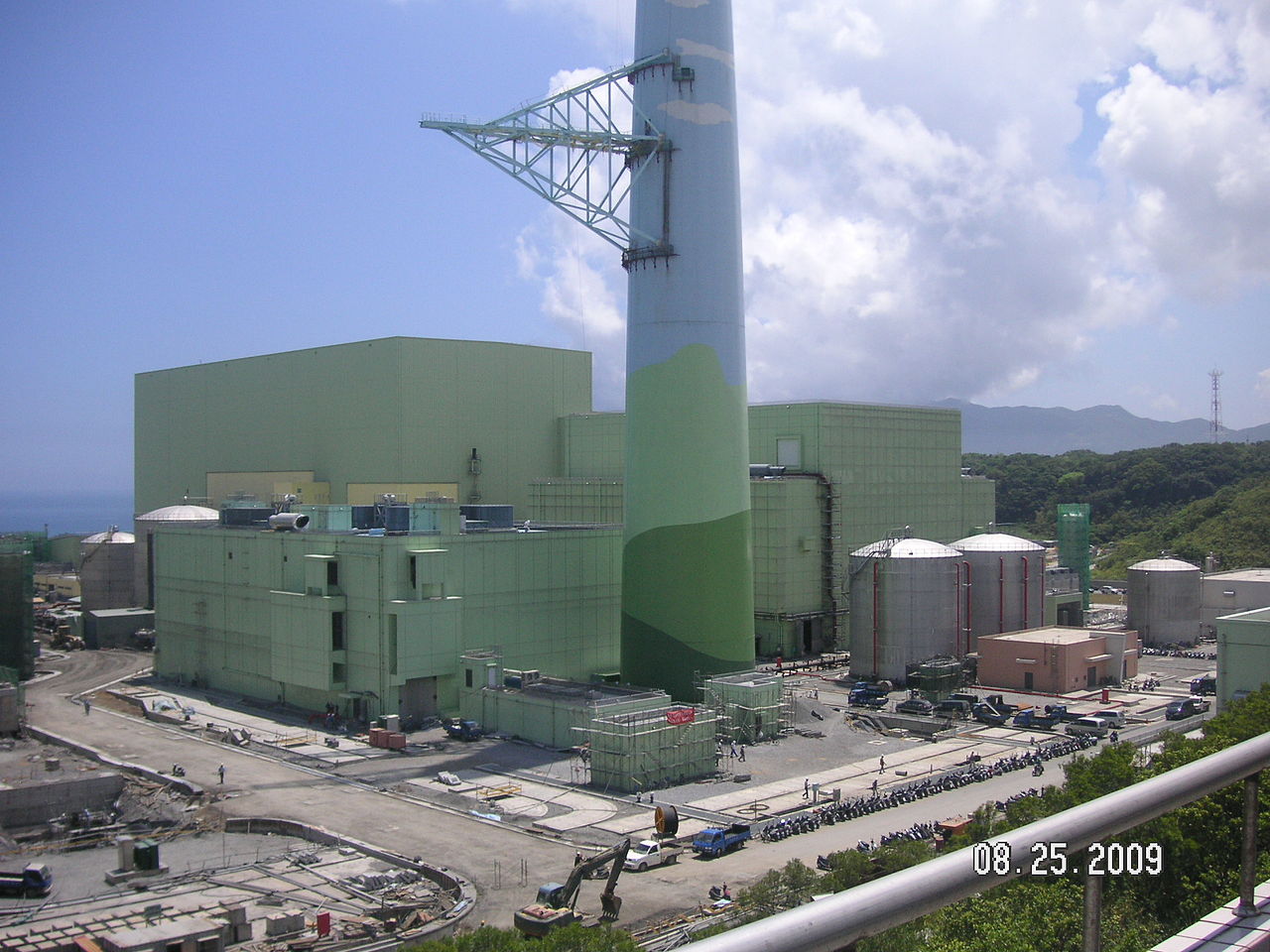
The advanced boiling water reactor (ABWR) is a Generation III reactor designed and first built in Japan for operation in 1996. In 1997, the U. S. Nuclear Regulatory Commission certified the design. The standard design produces about one and a third gigawatts of electricity. The ABWR is available on the commercial power reactor market from GE-Hitachi Nuclear Energy and Toshiba. There are several ABWRs in operation today in Japan and Taiwan. More are on order in other countries such as the U.S. and the U.K.
In the U.K. the Office for Nuclear Regulation and the Environmental Agency carry out generic design assessments (GDA) of proposed nuclear reactors as part of the approval process to assess the safety, security and environmental impacts of reactor designs independently from the applications to build reactors at specific sites.
in April of 2014, the ONR and EA raised questions during the required generic design assessment of a ABWR reactor that is under consideration. The regulators commented that “The definition of the radioactive source term; the nature and amount of radioactivity, is a fundamental part in understanding and therefore being able to control the hazards associated with any nuclear facility. Once defined, it is important that the requesting party is able to demonstrate and justify that this source term is appropriate to be used as the basis for the safety and environmental cases. Failure to adequately define or justify the source term could ultimately mean that the design, operations or controls specified for the UK ABWR may not be soundly based.” The term “radioactive source term” refers to the amount of radioactive material released in a nuclear accident.
In January of 2015, GE-Hitachi provided the requested definition and justification. Unfortunately, the regulators said that the response did not satisfy their expectations. They considered this to be a “serious regulatory shortfall”. The ONR and EA elevated their concern to the level of a regulatory issue and said that they still expect GE-Hitachi to provide “a suitable and sufficient definition and justification for the radioactive source terms in the UK ABWR during normal operation.” In their latest progress report, the regulators stated, “Reactor chemistry is proving to be a very challenging topic for Hitachi-GE, and project risks have been identified during the quarter which challenge whether a meaningful assessment of reactor chemistry during Step 3 can be achieved.”
GE-Hitachi responded to the U.K. regulators with the following statement, “The Japanese ABWR reference plant upon which the UK ABWR is based has been designed, constructed and operated in accordance with some of the highest safety and environmental standards. Worker dose and environmental discharges are amongst the lowest of any operational plant in the world.” “We are therefore confident that whilst we may have interpreted differently what is required to define and justify the source term within the UK regulatory environment, our proposed ABWR generic design is safe and will meet appropriate UK environmental and safety standards.”
This conversation on source terms has been going of more than a year between the U.K. regulators and GE-Hitachi. It will be interesting to see if it is quickly resolved or if it becomes a major impediment to the purchase of and ABWR from GE-Hitachi.
Construction of Advanced Boiling Water Reactor in Taiwan:

-
Radiation News Roundup June 22, 2015
A memorandum of understanding (MOU) signed by Westinghouse and Brazil’s state-owned Nuclebras Equipamentos Pesados (Nuclep) paves the way for the companies to collaborate on the fabrication of AP1000 reactor components in Brazil. world-nuclear-new.org
The World Association of Nuclear Operators (Wano) has published a long-term plan that will pave the way for the organisation to become more effective and to correct shortfalls that contributed to its inability to identify and direct the global industry support necessary to have prevented the Fukushima-Daiichi accident. nucnet.org
-
Geiger Readings for June 22, 2015
Ambient office = 59 nanosieverts per hourAmbient outside = 59 nanosieverts per hourSoil exposed to rain water = 56 nanosieverts per hourOrange bell pepper from Central Market = 59 nanosieverts per hourTap water = 90 nanosieverts per hourFiltered water = 73 nanosieverts per hour -
Geiger Readings for June 21, 2015
Ambient office = 77 nanosieverts per hourAmbient outside = 94 nanosieverts per hourSoil exposed to rain water = 95 nanosieverts per hourOrange bell pepper from Central Market = 82 nanosieverts per hourTap water = 116 nanosieverts per hourFiltered water = 109 nanosieverts per hour -
Radiation News Roundup June 20, 2015
South Africa is considering using reactors from Russia’s Rosatom and Westinghouse for its 9,600 megawatt nuclear fleet expansion, an energy advisor to government said on Friday. news.yahoo.com
Nuclear energy is a costly failure, and Ohio and other states should focus on alternative energy, according to a report released Wednesday by an energy institute. portclintonnewsherald.com
-
Geiger Readings for June 20, 2015
Ambient office = 53 nanosieverts per hourAmbient outside = 86 nanosieverts per hourSoil exposed to rain water = 64 nanosieverts per hourYellow bell pepper from Central Market = 83 nanosieverts per hourTap water = 84 nanosieverts per hourFiltered water = 59 nanosieverts per hourPacific Cod – Caught in USA = 89 nanosieverts per hour -
Nuclear Reactors 258 – Citizens of Samcheok China Are Demanding The Cancellation of Plans For the Construction of Two New Power Reactors
My last post was about the Chinese attempts to become involved in reactor financing and construction projects in the U.K. at the Hinkley Point nuclear power plant. The Chinese have embarked on a very ambitious domestic nuclear reactor construction program as well as efforts to sell their reactors to other nations. The Chinese public is not as excited about nuclear power as the central government and the Chinese nuclear companies.
The Chinese government recently released a draft of its Seventh Power Supply Plan which mandates that two new reactors be built at Samcheok in Gangwon Province by 2029. A few days ago, the Gangwon Province branch of the New Politics Alliance for Democracy (NPAD) held a press conference in Samcheok to call for the national government to cancel the plan to build new nuclear reactors in Samcheok and to revoke its designation of the planned sites for the new reactors.
A speaker at the press conference said “In a popular referendum about building nuclear reactors that was carried out in October of last year, 85% of the citizens of Samcheok voted against the plan. A majority of Samcheok citizens are united in their position that building nuclear reactors poses an unacceptable threat to their lives and safety.” Shim Gi-jun, the director of the Gangwon Provice branch of the NPAD, said “The government means to push ahead with the construction of the nuclear reactors because of its stubborn insistence that nuclear power is the business of the state and is not subject to a popular referendum, but in the end no government can defeat its own people. We will join with the people of Samcheok to block the nuclear reactors.”
Officials of the Samcheok city government met with the Second Vice Ministrer of Tradel, Industry and Energy to ask that the plan for the two new Samcheok reactors be removed from the Seventh Power Supply Plan before it is finalized at the end of June. The Committee Fighting against the Samcheok Nuclear Reactor also issued a statements demanding that that project be removed from the Seventh Power Supply Plan immediately.
There have be a number of public protests against government nuclear expansion plans in China. While the national government ostensibly has the power to order construction of nuclear facilities anywhere it wants, the truth is that the people of China can force the national government to abandon plans for specific facilities if there is sufficient public outcry.
Over a thousand people took to the streets of Jiangmen in a city in Guangdong Province in 2013 to demand the cancellation of plans to build a uranium processing facility in the city. The city government ultimately bowed to the will of the citizens and announced that the plan to build the facility would be cancelled.
It will be interesting to see if the public pushback against the two reactors planned for Samcheok forces the national government to cancel the project.
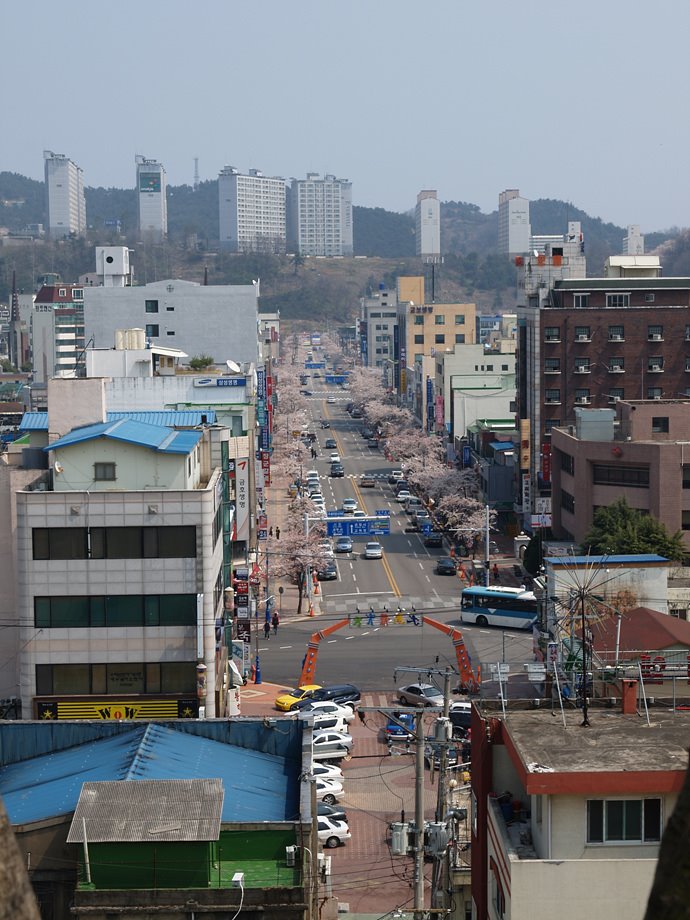
Samcheok;
-
Radiation News Roundup June 19, 2015
Westinghouse Electric Company announced Thursday it had signed a Memorandum of Understanding with Nuclebras Equipamentos Pesados S.A.“ to collaborate on the fabrication of AP1000 nuclear power plant components and equipment in Brazil.” nuclearstreet.com
Russia and Saudi Arabia yesterday signed an agreement to cooperate in the development of nuclear energy for peaceful purposes. world-nuclear-new.org