Blog
-
Geiger Readings for June 07, 2022
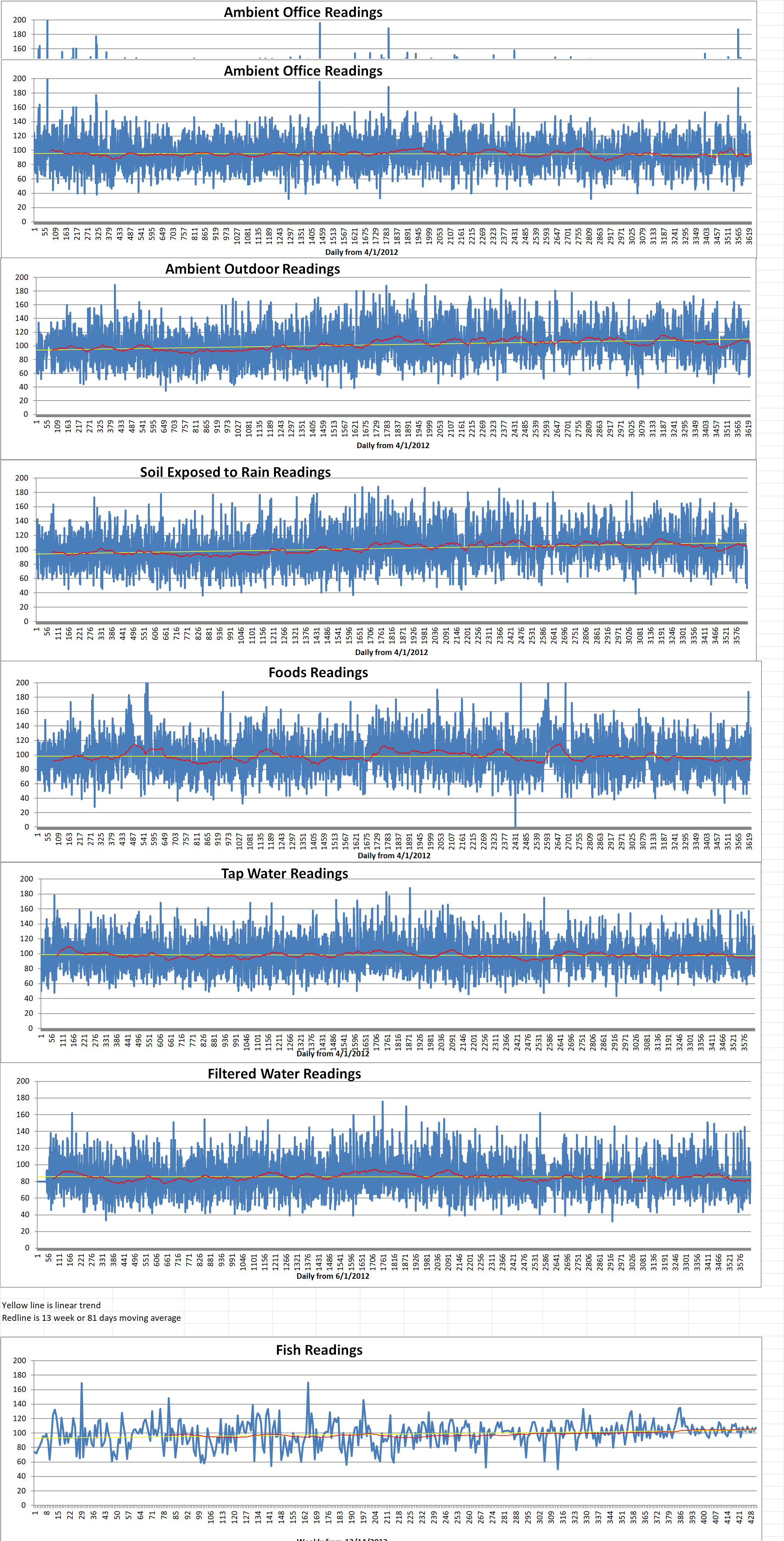
Ambient office = 81 nanosieverts per hour
Ambient outside = 102 nanosieverts per hour
Soil exposed to rain water = 98 nanosieverts per hour
English cucumber from Central Market = 137 nanosieverts per hour
Tap water = 87 nanosieverts per hour
Filter water = 77 nanosieverts per hour
-
Nuclear Reactors 1033 – Democratic Nations Need To Disentangle Their Energy Markets From Russia and China – Part 1 of 4 Parts
Part 1 of 4 Parts
The Russian invasion of Ukraine has precipitated a global energy crisis. Since the invasion began on February 24, the international price of oil has rising more than twenty-five percent. The price of gasoline has nearly doubled. The outlook for both oil and gas is poor. Western companies are using sanctions to limit Russia’s ability to finance its war with oil and gas revenues. Energy prices are likely to remain high and volatile. The uncertainty of the war is dovetailing with concerns about climate change. This is prompting more anxiety about the global energy future. Nations should have started shifting away from fossil fuels decades ago to protect the planet. Have waited so long, they must abandon fossil fuels at a time when people are paying increasingly high prices.
As nations try to bring down high energy costs and disentangle themselves from Russia while simultaneously combating climate change, many have expressed renewed interest in nuclear power. Nuclear power is currently one of the world’s largest sources of low carbon energy. It is responsible for about one fourth of the European’s electricity. As opposed to most forms of renewable energy such as solar and wind, nuclear power can reliably produce large quantities of electricity for most days of the year. It has helped Europe move away from fossil fuels that have been extracted elsewhere in the world. This includes natural gas from Russian wells.
In the short term, increasing Europe’s reliance on nuclear power won’t release the continent from the need for Russian fuel. In the same way that Europe has become dependent on Russian oil and natural gas, much of the would has become dependent on Russia for the materials needed to construct commercial nuclear power plants. Russia has almost half of the global capacity to enrich uranium to produce nuclear fuel. Forty percent of the nuclear energy produced in Europe depends on uranium from Russia or Kazakhstan and Uzbekistan. Both of these countries are neighbors and close allies of Russia. About half of all U.S. nuclear power plants are powered by imports of uranium from these three countries. This may explain why the U.S. nuclear industry lobbied to exclude uranium from sanctions on Russian energy imports. Russian also dominates the market for nuclear power plant exports and construction. Developing countries are a preferred target for Russia’s nuclear exports. Russia’s closest competitor is China, another autocracy. States that contract with Russia or China may spend decades dependent on them for nuclear fuels and services.
In order to end Russia’s dominance over the global nuclear market and to prevent China from taking its place, democratic countries need to get serious about supporting their domestic nuclear industries. This is especially true as new, innovative nuclear technologies enter the global energy market. They need to consider policies that create demand for nuclear energy as part of their broader climate agendas. It may be reasonable to invest in creating nuclear manufacturing facilities that can reliable supply a growing global market for energy. Doing so can contribute to fighting climate change and curtailing the global power of authoritarian regimes.
Please read Part 2 next -
Geiger Readings for June 06, 2022
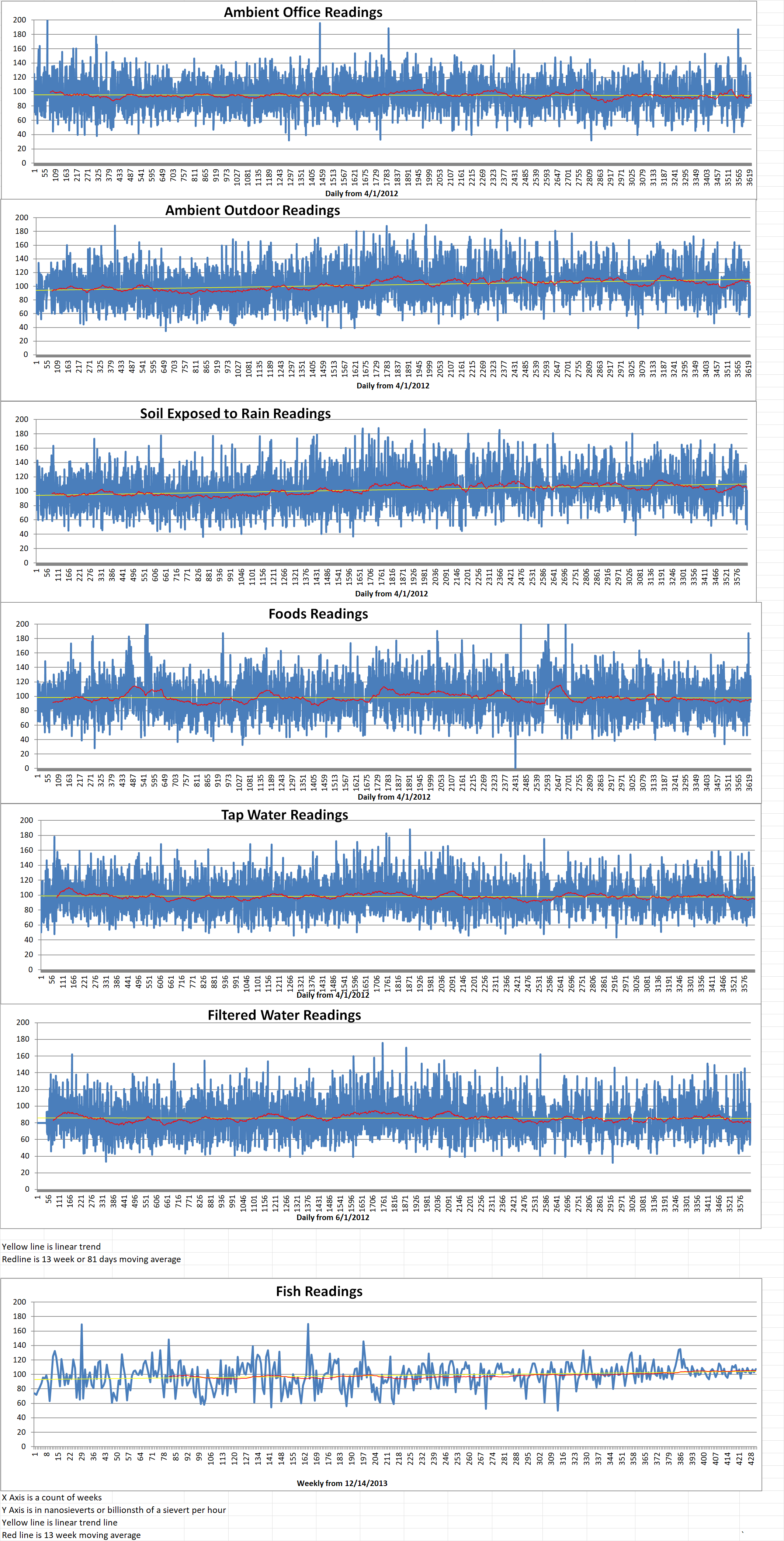
Ambient office = 88 nanosieverts per hour
Ambient outside = 58 nanosieverts per hour
Soil exposed to rain water = 46 nanosieverts per hour
Avocado from Central Market = 96 nanosieverts per hour
Tap water = 124 nanosieverts per hour
Filter water = 103 nanosieverts per hour
-
Nuclear News Roundup June 05, 2022
The tiny number of nukes needed for ‘unacceptable damage’ express.co.uk
Toshiba and Bechtel Team-up to Support Poland’s First Nuclear Power Station businesswire.com
Study examines option for floating nuclear power in Vietnam world-nuclear-news.org
Nuclear operators to benefit from immersive 3D simulations rld-nuclear-news.org
-
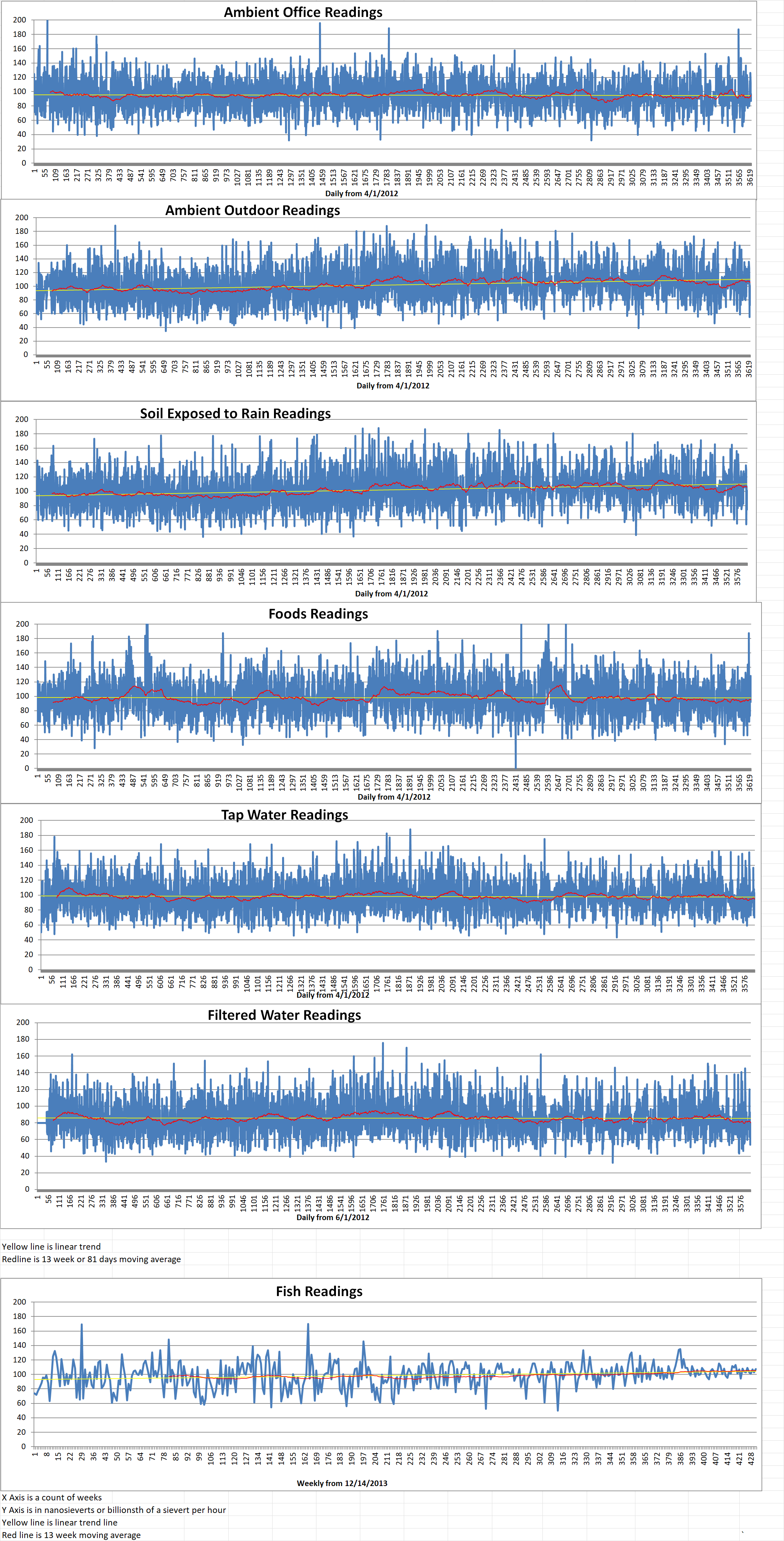
Geiger Readings for June 05, 2022
Ambient office = 84 nanosieverts per hour
Ambient outside = 85 nanosieverts per hour
Soil exposed to rain water = 82 nanosieverts per hour
English cucumbers from Central Market = 123 nanosieverts per hour
Tap water = 75 nanosieverts per hour
Filter water = 67 nanosieverts per hour
-
Nuclear News Roundup June 04, 2022
NNL makes breakthrough in production of Lead-212 neimagazine.com
US warns of ‘swift and forceful’ response to North Korean nuclear test nknews.org
India tests nuclear-capable Agni-IV ballistic missile timesofindia.indiatimes.com
Finnish fuel encapsulation plant enters installation phase world-nuclear-news.org
-
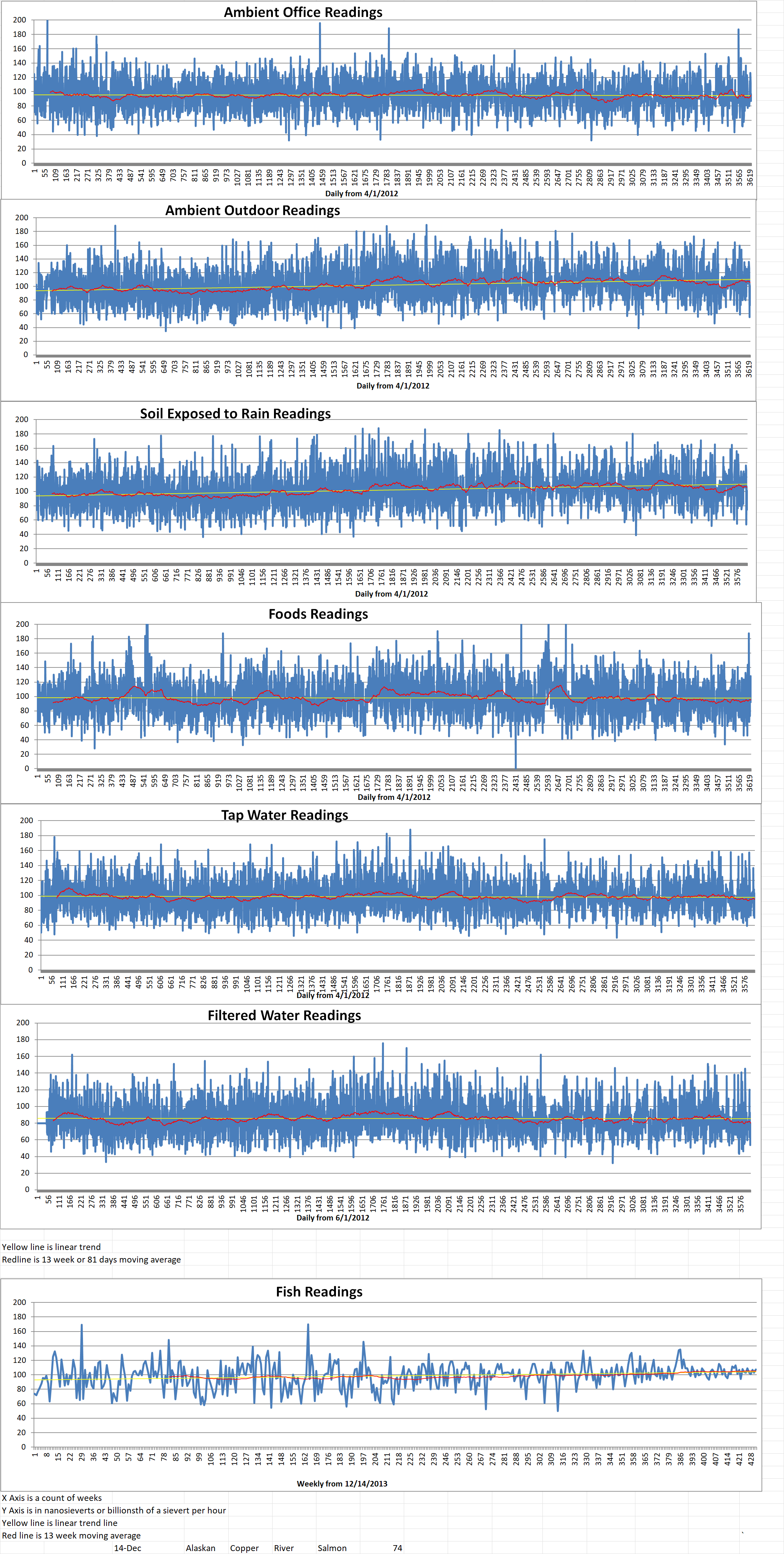
Geiger Readings for June 04, 2022
Ambient office = 96 nanosieverts per hour
Ambient outside = 100 nanosieverts per hour
Soil exposed to rain water = 101 nanosieverts per hour
Blueberry from Central Market = 102 nanosieverts per hour
Tap water = 102 nanosieverts per hour
Filter water = 80 nanosieverts per hour
Dover sole = 107 nanosieverts per hour
-

Nuclear Fusion 182 – Problems With Tritium Supply For Tokamak Fusion – Part 3 of 3 Parts
Part 3 of 3 Parts (Please read Parts 1 and 2 first)
There are other ways of creating lithium-6 such as actively inserting breeding materials into nuclear fission reactors or firing neutrons at helium-3 targets using a linear accelerator. Unfortunately, these techniques are too expensive to be used in the quantity needed for commercial fusion reactors. They will be used for nuclear weapons production. The best route to commercial fusion would be to launch a more ambitious program for developing breeding technology in parallel to ITER. This way, there may be sufficient tritium being produced to fuel ITER when it is switched on in 2035. Willms said, “We don’t want to get the car built and then run out of gas.”
The tritium problem is fueling skepticism of ITER and D-T fusion projects in general. These two isotopes of hydrogen were chosen because they fuse at a relatively low temperature. This made sense in the early days of fusion research. However, with help of AI-controlled magnets to help confine the fusion reaction as well as advances in materials science, some companies are exploring alternatives.
TAE Technologies is based in California. They are attempting to build a fusion reactor that uses hydrogen and boron. They say that it will be a cleaner and more practical alternative to D-T fusion. TAE intends to reach a net energy gain where a fusion reactor creates more power than it consumes by 2025. Boron can be extracted from seawater by the metric ton. It has the added benefit of not irradiating the reactor as the D-T fusion reaction does. TAE Technologies CEO Michl Binderbauer said that their approach is more commercially viable to scalable fusion power than tokamaks burning D-T fuel.
Helion Energy in the Seattle area is taking a very different approach to fusion. It is an inertial confinement system as opposed to a tokamak. Tiny pellets of fuel are injected into the fusion chamber and then hit with a beam of light generated by a bank of lasers. Their fusion reactor burns deuterium and helium-3. As was mentioned above, deuterium is easy to produce from seawater. While helium-3 is very rare on Earth, it will be recycled in their reactors so supply should not be a problem. One of the benefits of their system is the fact that it does not produce neutrons which would irradiate the metal used in construction. Another benefit is that it will not require a steam turbine system to turn fusion generated energy into electricity.
The mainstream fusion community is still focusing on ITER for achieve practical fusion, in spite of the potential problems with tritium fuel. Willms said, “Fusion is really, really difficult, and anything other than deuterium-tritium is going to be 100 times more difficult. A century from now maybe we can talk about something else.”
Billions of dollars are being poured into fusion research. There are at least a dozen companies working on small fusion reactors of different designs using different fuels. Many of them intend to have commercial prototypes operating before 2030. It may very well be that ITER will be too much too late. It is possible that it will be upstaged by working fusion reactors before it is even completed.