
Jennifer Granholm is the U.S. Secretary of Energy. She told the U.S. Senate Energy and Natural Resources Committee (SENRC) that the U.S. Department of Energy (DoE) is drafting a plan for a “broad uranium strategy” to ensure a steady supply of uranium to meet national requirements. The strategy work is being led by Katheryn Huff who was appointed as Assistant Secretary for Nuclear Energy. Her appointment has been confirmed by the Senate.
Granholm testified at the SENRC May 5th meeting on the U.S. Administrations budget request for the DoE for fiscal 2023. Joe Manchin in the chairman of the SENRC. During the hearing, Manchin highlighted the need for the U.S. to strengthen its energy and national security by eliminating the reliance on resources from “hostile” nations. He asked how the budget request would help reach that goal.
Manchin said that “The ongoing crisis in Ukraine is severe.” He added that Russian President Vladimir Putin had used energy as a weapon to leverage power over European democracies, “and intends to do the same globally, using Russia’s abundant energy resources.”
In order to counter this, the U.S. has already taken steps such as banning the import of Russian oil, petroleum products, LNG, and coal, while also authorizing additional LNG export capacity. He added, “These are critical moves to stop funding Putin’s brutal war on the Ukrainian people – but there is more we can and must do.”
During her testimony, Granholm spoke of the “enormous consequences” of Russia’s invasion of Ukraine on the future of energy. She said, “Stated bluntly, the situation in Ukraine and the impact on gas prices has highlighted the national security importance of our energy investments.” The fiscal year 2023 request includes new and expanded investments to increase energy security and deploy domestically produced clean energy.
Senator John Barrasso is the most senior Republican on the SENRC. He asked Granholm if U.S. President Biden would ban imports of Russian uranium. Granholm replied that “I’ll let the president make that statement, but I can say that this is a point on which I think we have a lot of agreement. We should not be sending any money to Russia for any American energy or for any other reason.”
The DoE has established a team led by Huff to develop a full uranium strategy through an interagency process. Granholm said, “We want to make sure, for example, that we are able to supply HALEU (high-assay low-enriched uranium) as well as low-enriched uranium to our civilian nuclear fleet. If we move away from Russia, we want to make sure we have the ability to continue to keep the [nuclear generating] fleet afloat.”
Granholm said that “Dr Huff has been a trailblazer for her entire career in nuclear engineering, and she brings endless enthusiasm and curiosity to her work. She is an invaluable leader in our work to tackle the climate crisis, increase our energy security and independence, and provide affordable, reliable energy for all Americans.”
More information about the uranium strategy is likely to be announced in the next month or so, said Granholm. It will also cover establishing a full U.S. supply chain for high-assay low-enriched uranium (HALEU). Granholm also confirmed to the SENRC that the DoE would purchase uranium to add to the U.S. strategic uranium reserve during the current calendar year. Congress allocated seventy-five million dollars for the reserve in 2020.
The U.S. currently imports most of the uranium used in commercial nuclear power reactors. According to records from the U.S. Energy Information Administration, forty seven percent of the uranium purchased in 2020 by owners and operators of the U.S. nuclear power fleet came from Kazakhstan, Russia and Uzbekistan. Uranium from Canada and Australia together made up thirty four percent.
Blog
-

Nuclear Reactors 1022 – U.S. Senate Working On Security Of Uranium Supplies
-
Nuclear News Roundup May 09, 2022
South Korea seeks to resume construction of 2 nuclear reactors in 2025: Report business-standard.com
Educate people on nuclear war m.lasvegassun.com
‘Downwinders’ from Utah, Nevada may get extended relief deseret.com
-
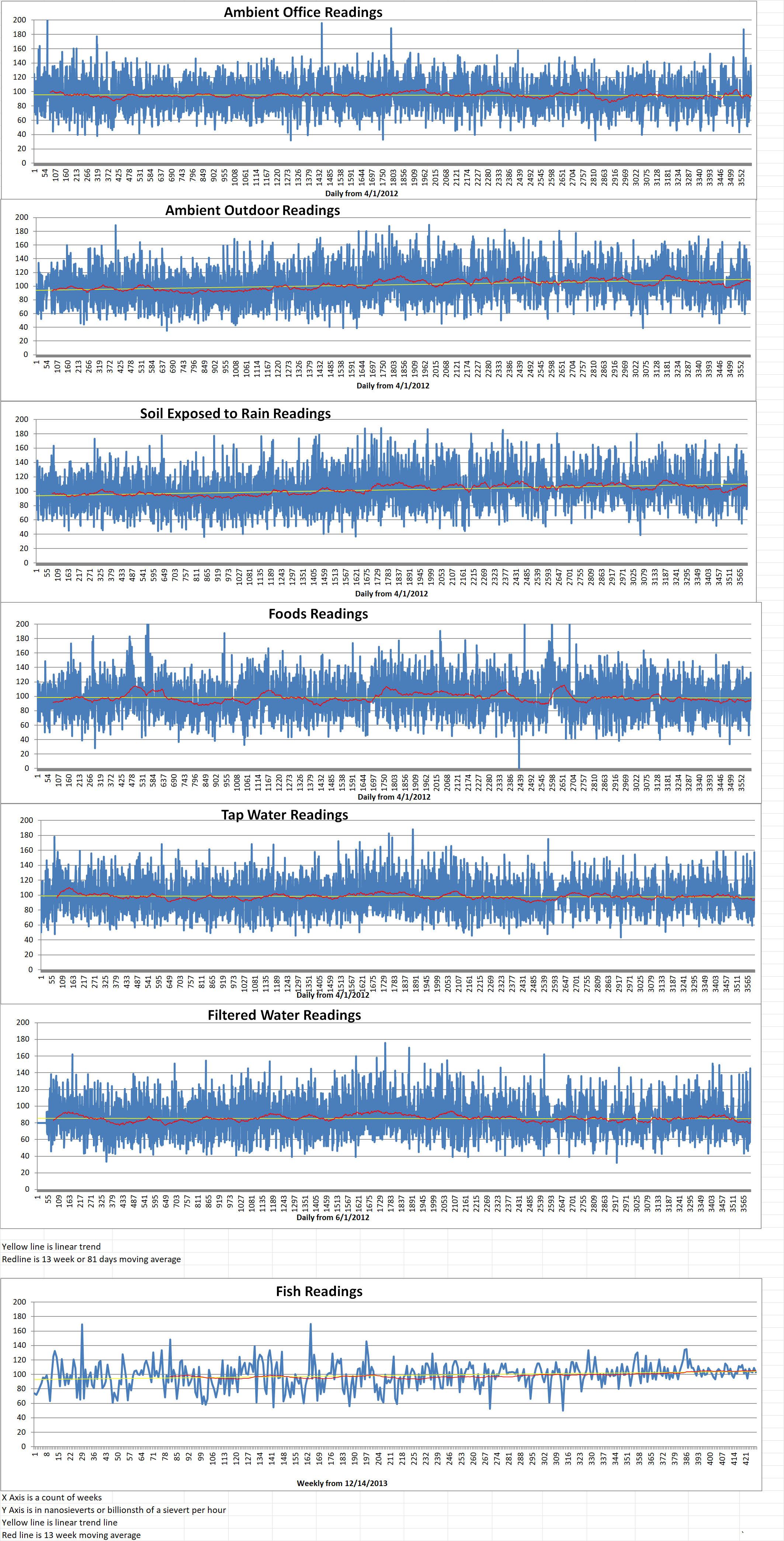
Geiger Readings for May 09, 2022
Ambient office = 96 nanosieverts per hour
Ambient outside = 93 nanosieverts per hour
Soil exposed to rain water = 102 nanosieverts per hour
English cucumber from Central Market = 97 nanosieverts per hour
Tap water = 135 nanosieverts per hour
Filter water = 117 nanosieverts per hour
-
Nuclear News Roundup May 08, 2022
IAEA’s Grossi still hopes for mission to Zaporizhzhia world-nuclear-news.org
Westinghouse Electric’s parent company wants to put the nuclear company on the market post-gazette.com
New president Yoon Suk-yeol has pledged to ‘dramatically strengthen’ defenses ft.com
Satellite images suggest China may have developed new class of nuclear-powered submarine foxnews.com
-

Geiger Readings for May 08, 2022
Ambient outside = 129 nanosieverts per hour
Soil exposed to rain water = 120 nanosieverts per hour
Blueberry from Central Market = 127 nanosieverts per hour
Tap water = 115 nanosieverts per hour
Filter water = 100 nanosieverts per hour
-
Nuclear News Roundup May 07, 2022
Russian space agency chief boasts nuclear capabilities, claims NATO would lose ‘in 30 minutes’ foxnews.com
‘Psychopath’ Putin is primed to press nuclear button after tragedy of childhood abuse express.co.uk
Russia threatens to bomb Britons in ‘immediate’ and ‘high-precision’ attack express.co.uk
Bruce A begins vacuum building outage world-nuclear-news.org
-
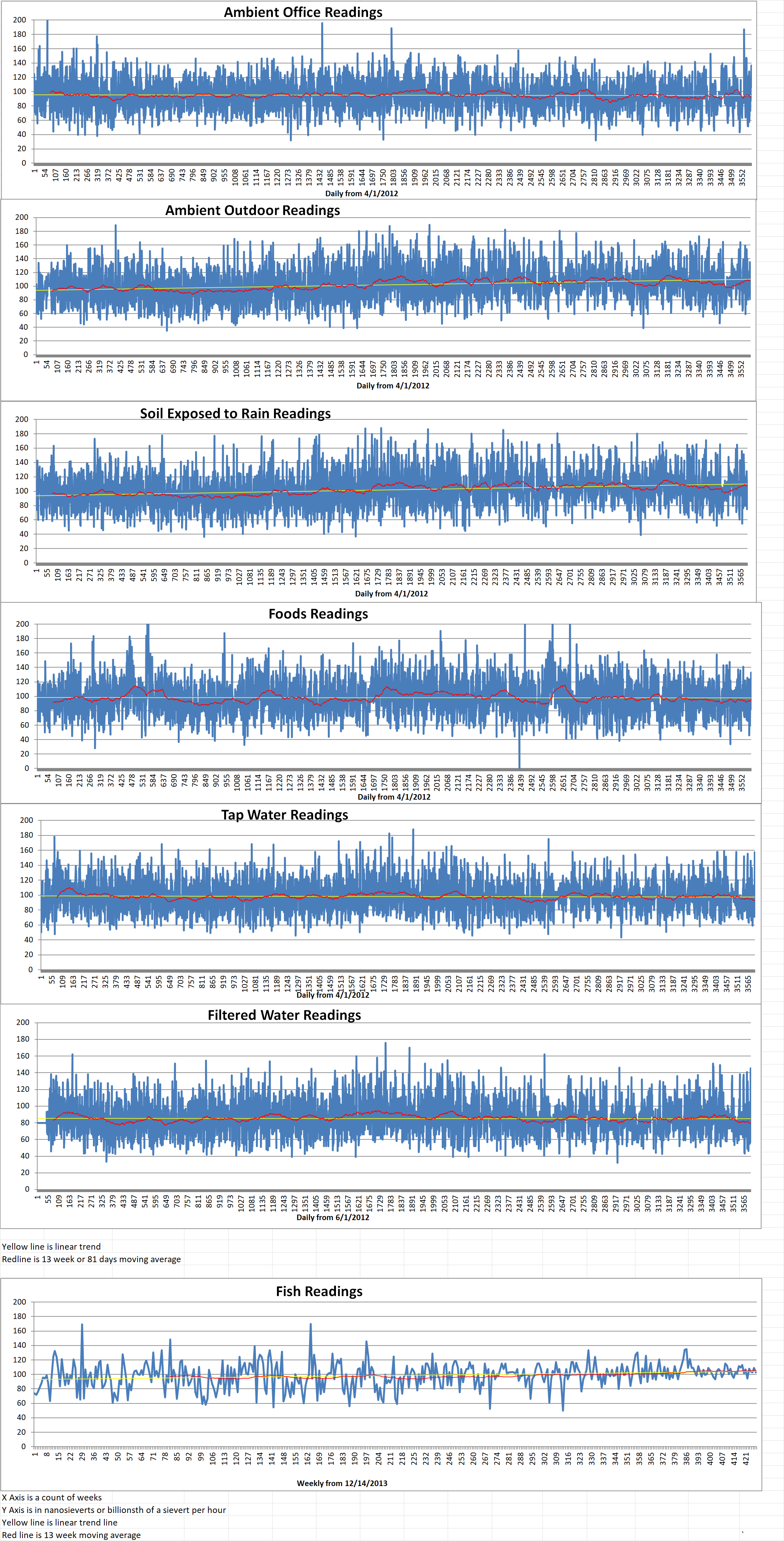
Geiger Readings for May 07, 2022
Ambient office = 136 nanosieverts per hour
Ambient outside = 85 nanosieverts per hour
Soil exposed to rain water = 79 nanosieverts per hour
Avocado from Central Market = 133 nanosieverts per hour
Tap water = 157 nanosieverts per hour
Filter water = 145 nanosieverts per hour
Dover sole = 103 nanosieverts per hour
-
Nuclear Weapons 780 – Is The Russian Poseidon Underwater Nuclear Drone Real – Part 3 of 3 Parts
Part 3 of 3 Parts (Please read Parts 1 and 2 first)
Kaushal said that a Poseidon attack could “certainly render a coastal city uninhabitable or destroy good part of a carrier battle group at sea. It could wipe out a coastal city but not the UK as a whole.” He added that dealing with flooding caused by radioactive water would be a challenge.
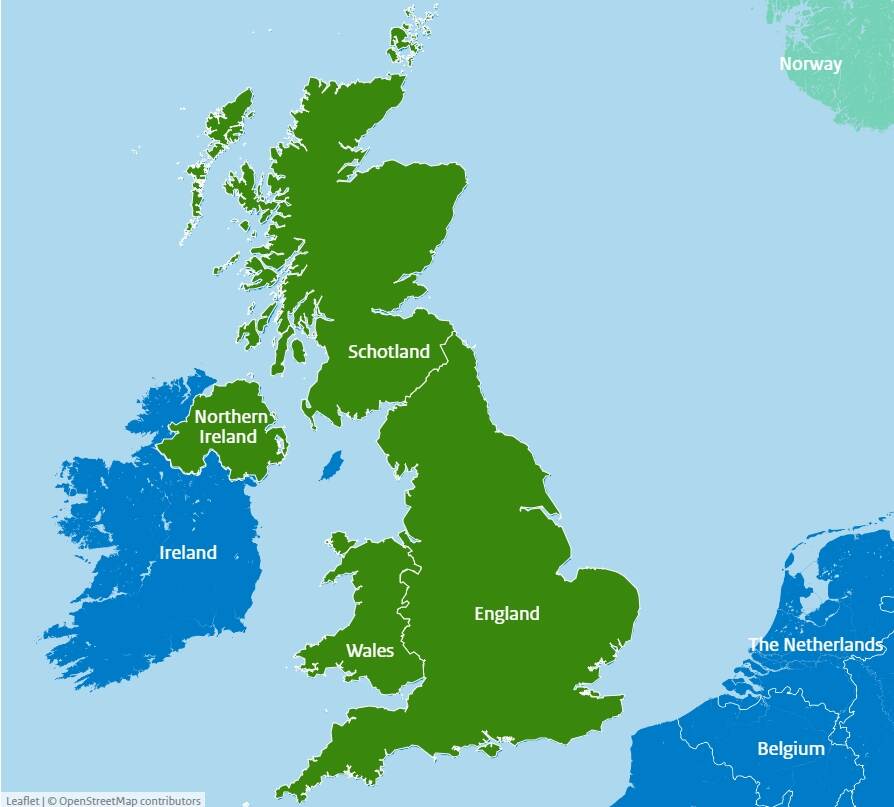
Hambling noted that such an attack would throw up a huge radioactive cloud at sea “that would cause devastation over quite a region.” He added that the Scandinavian countries, France, Belgium and the Netherlands would be affected.
As with all nuclear weapons, it is precisely that the threat of atomic fallout that counts and serves as a deterrent on the global stage, according to Podvig. He went on to say that “It’s just maybe a different level of insanity” on the scale of nuclear threats and that Poseidon is “a political weapon, in many ways: I mean, it was almost made for this kind of TV show”.
Podvig said, “Reportedly, there were tests – but how successful those tests were, what is exactly the status of this program at this point? Frankly, we don’t know yet. I strongly believe that it is not yet anywhere ready for deployment.”
Kaushal said that the Poseidon may be ready, but its delivery system may not be. “The special-purpose Belgorod submarine, though it’s undergone sea trials in 2021, is still not operational, to the best of our knowledge”. He noted that the submarine being prepared to deliver the Poseidon had to be elongated to serve its purpose as a mothership for the giant torpedo.
Hi Sutton is an expert on submarine technology who runs the Covert Shores blog. He has debunked several of the claims made on Russia’s Channel One. These include the size of the Poseidon warhead and the tidal wave that it could cause. In a post on Twitter, he showed satellite imagery of the Belgorod submarine in a Russian dry dock.
Russia has been bragging about its nuclear capabilities since it began its invasion of Ukraine. They warned the West that they had the right to use nuclear weapons to counter an “existential threat.” Kaushal said, “The destruction of conventional capabilities in the first months of this campaign means that Russia’s conventional deterrent is now far less threatening than perhaps it was on February 24 to many countries”. He also said that Russian brandishing its nuclear arsenal is a way for them to discourage any possible direct intervention from NATO and the U.S.
Hambling said, “When you look at Ukraine, we see the reality of Russia’s military capability compared to their boasts and their ambitions. And their capabilities fall well short of their aspirations in terms of military technology. So, it may be also that Poseidon is really just a bit too ambitious for them to turn into reality”.
It appears that the main reason for the development and publicizing of the Poseidon is to terrorize potential enemies. While the Russians may believe that they could set off a Poseidon in the harbor of an enemy without it being known who did, but it is just a fantasy. -
Nuclear News Roundup May 06, 2022
Looming nuclear plant closure may put Michigan climate goals out of reach mlive.com
Wyoming, INL sign MoU on advanced nuclear development and deployment world-nuclear-news.org
Biden willing to enter a nuclear deal with Iran that’s even worse than original 2015 pact thehill.com
‘Well-known’ oligarch ‘close to Putin’ says ‘stories about him going bonkers are not a joke’ and a ‘nuclear strike threat is very real’ dailymail.co.uk
-
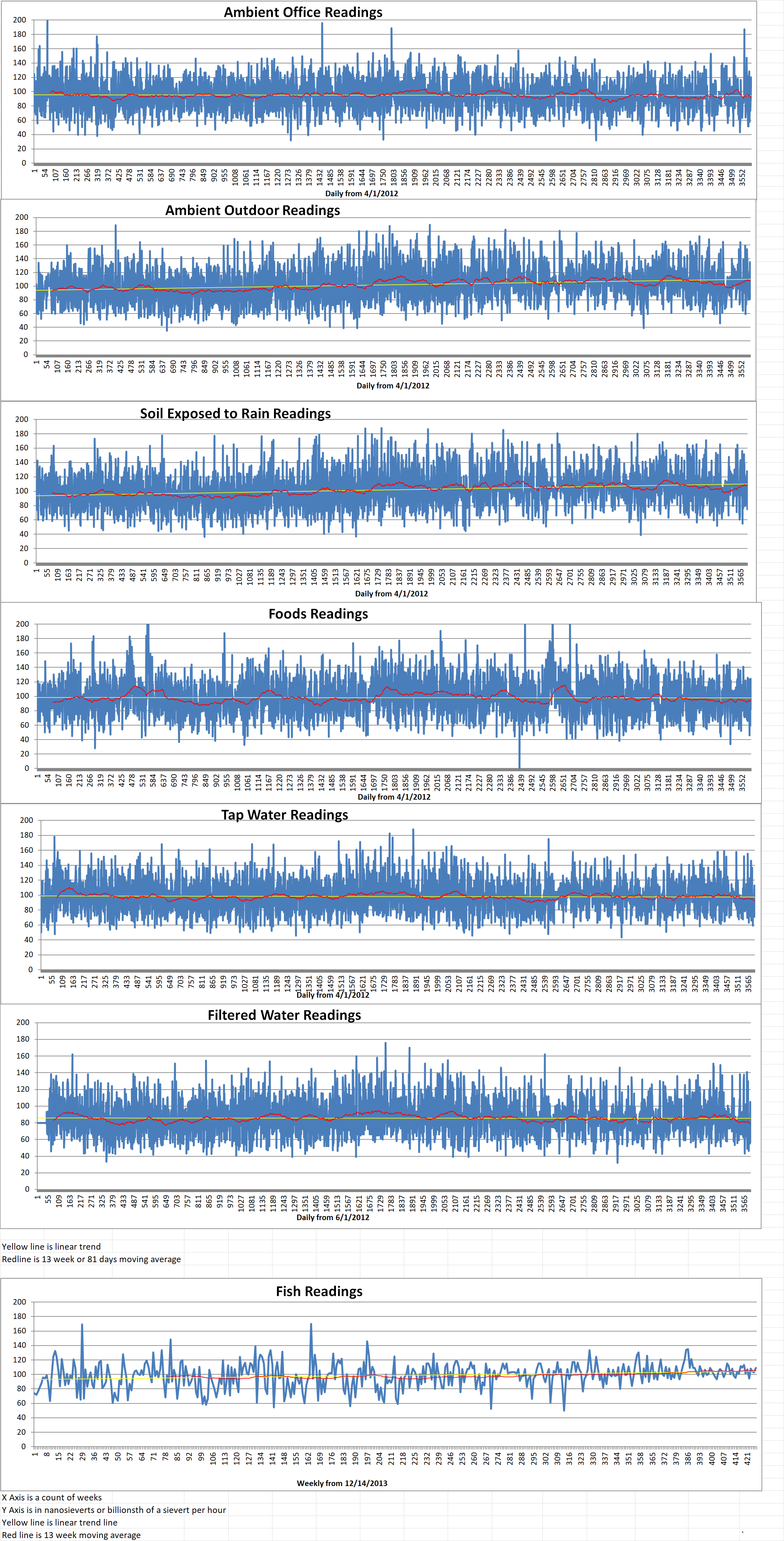
Geiger Readings for May 06, 2022
Ambient office = 106 nanosieverts per hour
Ambient outside 81 nanosieverts per hour
Soil exposed to rain water = 75 nanosieverts per hour
Red bell pepper from Central Market = 82 nanosieverts per hour
Tap water = 88 nanosieverts per hour
Filter water = 70 nanosieverts per hour