
I have been blogging about how the Russian attack and seizure of the Chernobyl nuclear plant in Ukraine has released radioactive materials into the atmosphere. But there is another side to the story. How have Russian troops been affected by the radioactivity around Chernobyl?
A recent report states that the Russian convoy that took control of the Chernobyl drove through a highly toxic radioactive zone near the plant without any anti-radiation gear. This stirred up contaminated soil and exposed the Russian troops to highly dangerous radioactivity.
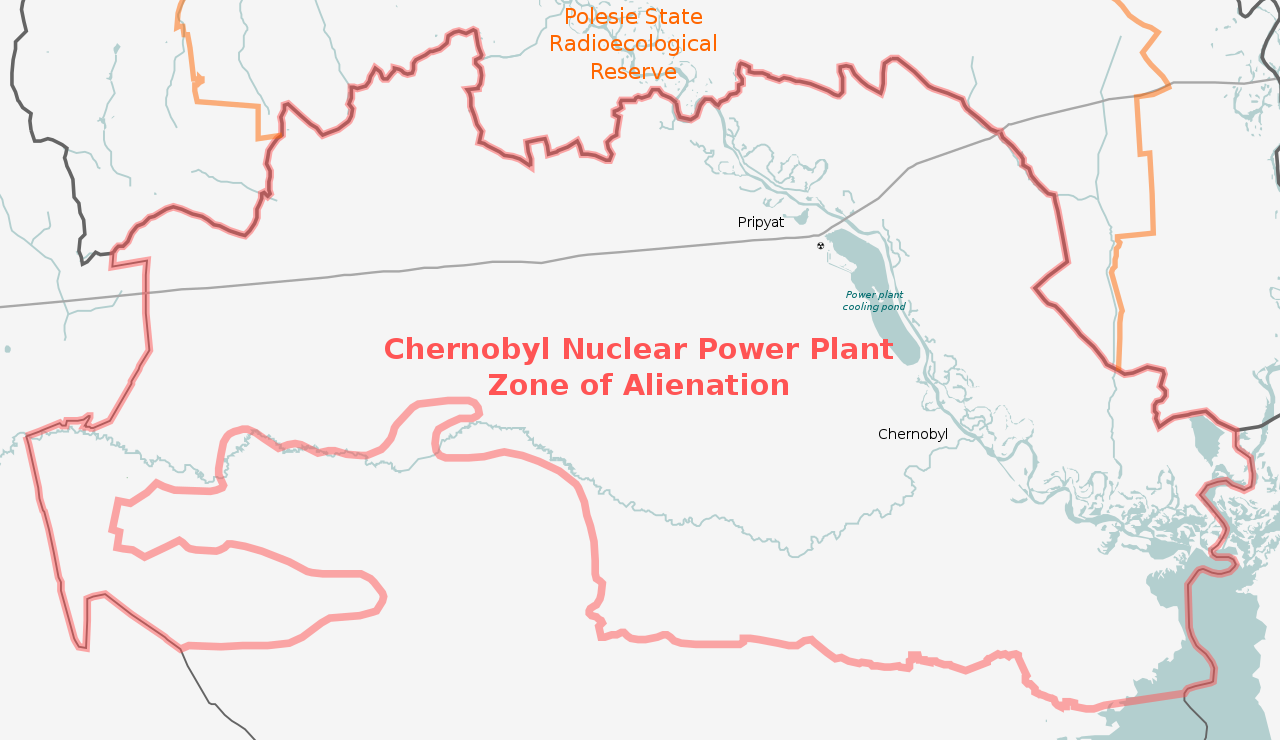
Russian soldiers drove tanks and other armored vehicles through the “Red Forest”. This is a highly contaminated area about four miles from the plant. The trees in the Red Forest are all dead but they have not decomposed in the thirty-five years since the nuclear disaster in 1986 because all the microorganisms were killed by the initial radiation release. The Soviet Union downplayed the disaster, denying for years that it had even happened. The disaster was caused by poorly trained staff, a flawed reactor design, and made worse by a botched evacuation.
The Russian troops had no protective gear according to two of the Ukrainian workers at the plant. The workers said that the drive through the forest was “suicidal” because the Russian soldiers likely inhaled radioactive dust that can cause internal radiation damage in their bodies. (Hard to call it suicide if the soldiers did not know they were are risk.”) In addition, it has been reported that the Russian troops were assigned to dig trenches in the Red Forest which would also expose them to high levels of radiation.
The State Nuclear Regulatory Inspectorate of Ukraine (SNRIU) reported higher-than-normal radiation levels at the plant on February 25th, the day after the Russian Army took control of the plant. The SNRIU speculated that the heavy military vehicle were a possible cause for the spike.
Though radiation levels increase following the Russian invasion, the International Atomic Energy Commission said that on the following day, the radiation readings were low and did not pose a public threat. The 1986 nuclear disaster at Chernobyl is considered to be the biggest nuclear catastrophe in history. Fifty-one people have died as a direct result of the explosion. It has been estimated that another four thousand people could eventually die from radiation exposure according to the World Health Organization (WHO).
Yaroslav Yemelianenko is the CEO of tour operator Chernobyl Tour. He claimed that a group of Russian troops occupying the Chernobyl plant was rushed across the border to a special medical facility in Belarus after exposing themselves to dangerous levels of radiation. Yemelianenko wrote a March 30th Facebook post that said “Another batch of Russian irradiated terrorists, who occupied the Chornobyl zone, was brought to the Belarusian Radiation Medicine Center in Homel today. Have you dug enough trenches in the Red Forest, motherf*ckers.” It has been reported that one of the Russian soldiers had not even heard of the famous nuclear disaster that took place at Chernobyl in 1986.
Military action in the Chernobyl zone has been a constant concern since the beginning of the Russian invasion. Many scientists around the world are worried that the Russian occupation of the Chernobyl plant poses a threat to the world. Fortunately, as of March 30, the Russian Army has been retreating around the Chernobyl site.
Blog
-
Radioactive Waste 849 – Russian Forces That Took Control of Chernobyl Were Not Provided With Radiation Protection
-
Nuclear News Roundup Mar 29, 2022
Australian uranium companies announce merger plans world-nuclear-news.org
Cooperative effort secures plutonium removal world-nuclear-news.org
Exclusive: U.S. cancels ICBM test due to Russia nuclear tensions reuters.com
Space allocated at Temelín for future SMRs world-nuclear-news.org
-
Geiger Readings for Mar 29, 2022
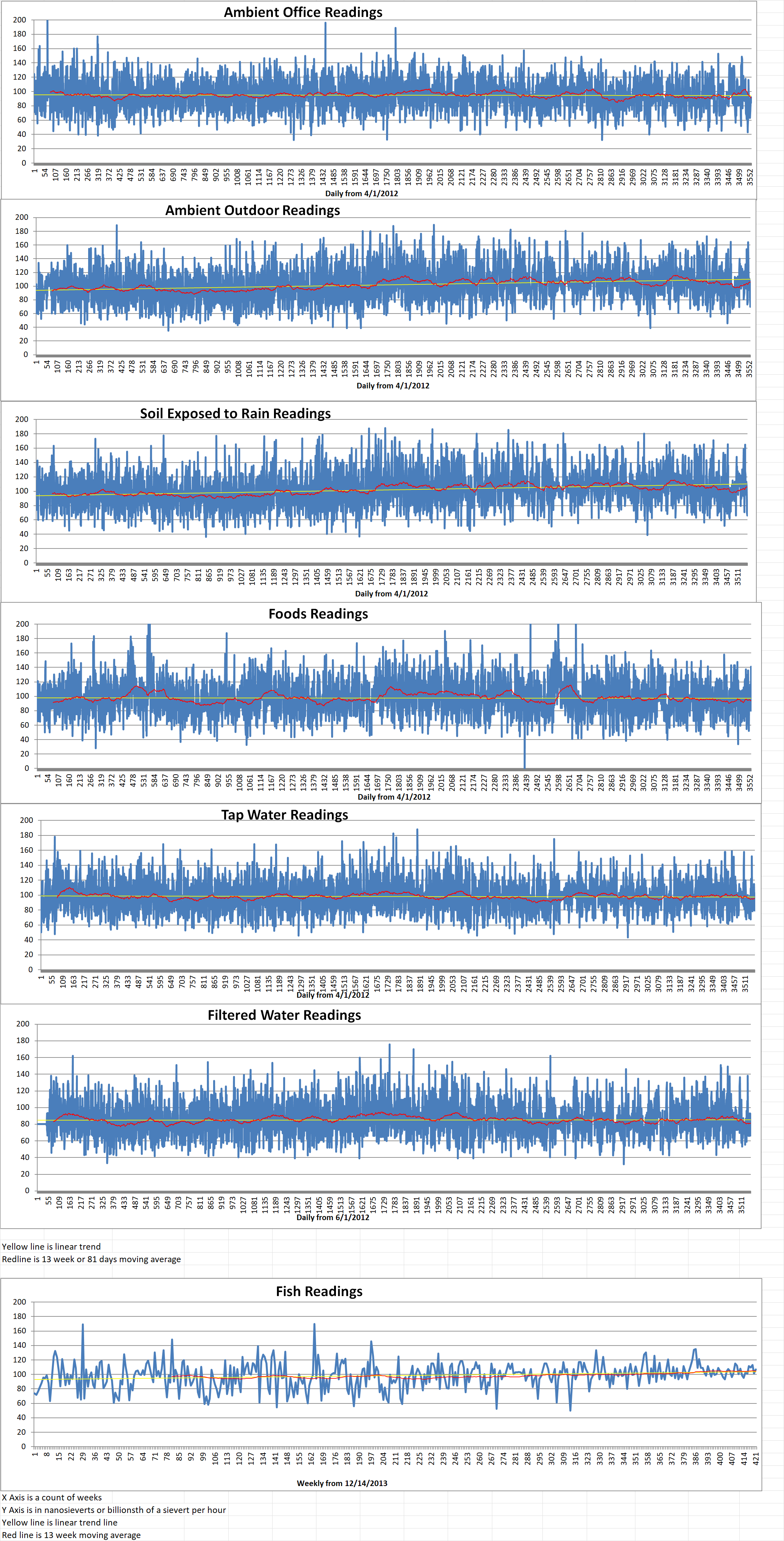
Ambient office = 91 nanosieverts per hour
Ambient outside = 64 nanosieverts per hour
Soil exposed to rain water = 60 nanosieverts per hour
Rocket apple from Central Market = 100 nanosieverts per hour
Tap water = 70 nanosieverts per hour
Filter water = 63 nanosieverts per hour
-
Radioactive Waste 848 – Russian Forces Cause Forest Fires At Chernobyl Which Could Threaten Europe
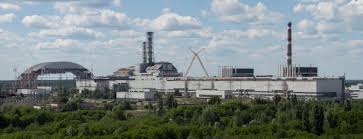
There has been great concern following the Russian occupation of the Chernobyl nuclear power plant that there is an increased danger of release of radioactive materials into the atmosphere. A large area was irradiated by the nuclear accident in 1986. Now those concerns have been verified.
At first, the movement of Russian heavy equipment and vehicles around the plant stirred up some radioactively contaminated soil. Now Russian shelling of a village where Chernobyl workers live has started a twenty-five acre forest fire whose smoke is carrying radioactive materials into the atmosphere. Officials are concerned that the fire could spread through the forest and engulf the power plant. This would lead to a nuclear disaster with severe consequences for Ukraine and the whole world.
Inna Sovsun is a Ukrainian politician who tweeted that Ukrainian officials are unable to put out the forest fire because the area is under Russian control and the Russians will not let Ukrainian firefighters approach the fire. She tweeted that “10 hectares of forest are burning in the Chornobyl Zone, caused by shelling. It isn’t possible to put out the fire now, as this territory isn’t controlled by Ukraine. We’re afraid that the fire will reach the nuclear power plant. The radiation level is already elevated.”
Ms. Sovsun’s remarks came after the speaker of the Ukrainian parliament, Lyudmila Denisova, announed details of the wildfires earlier today. Denisova stated that thirty-one fires have already been recorded in the Chernobyl Exclusion Zone (CEZ) which is a one thousand square area surrounding the plant where radioactivity from the nuclear disaster is highest and where public access and residence is restricted.
Ms. Denisova warned that the forest fires have already led to a spike in radioactive air pollution. She called on the International Atomic Energy Agency (IAEA) to send experts and firefighters to Ukraine in order to “prevent irreparable consequences not only for Ukraine but for the whole world. As a result of combustion, radionuclides are released into the atmosphere, which are carried by wind over long distances. This threatens radiation to Ukraine, Belarus and European countries.”
Chernobyl contains spent nuclear fuel storage facilities and nuclear waste dumps. If they are set alight, it could lead to a major nuclear disaster. The fires could intensify based on the weather. There could be large-scale blazes if weather condition became windy and dry.
However, Russian state media channels claim that the CEZ is not on fire. They showed video of an area that they claimed is near the Chernobyl plant without any blazes raging or smoke billowing into the sky.
Access to the CEZ was restricted after the nuclear disaster when an explosion on April 26, 1986, produced a radioactive cloud that stretched across Europe. This event is called the worst nuclear disaster in history.
Earlier today, Ukrainian authorities announced that Russian forces had fired rockets at a nuclear research facility in Kharkov which is currently under siege. There are fears that Russian shelling of Ukrainian checkpoints in the city of Slavutych, a village which houses Chernobyl nuclear workers is prevent workers from entering or leaving the plant. The Russian attack came just days after Ukrainian workers who were being held by Russian forces to maintain the nuclear power plant for four weeks without staff rotation were finally able to go back to their homes in Slavutych. Staff working at Chernobyl have been held hostage since Russia captured the site on the first day of the invasion on February 24. -
Nuclear News Roundup Mar 28, 2022
Rail transfer landmark for UK waste disposal project world-nuclear-news.com
Remediation of two Kyrgyz uranium legacy sites completed world-nuclear-news.org
Protesting against nuclear weapons lockhaven.com
EIA submitted for Poland’s first nuclear power plant world-nucleawr-news.org
-

Geiger Readings for Mar 28, 2022
Ambient office = 87 nanosieverts per hour
Ambient outside = 70 nanosieverts per hour
Soil exposed to rain water = 66 nanosieverts per hour
Red lettuce from Central Market = 141 nanosieverts per hour
Tap water = 79 nanosieverts per hour
Filter water = 67 nanosieverts per hour
-
Nuclear News Roundup Mar 27, 2022
2023 construction start for Indian reactor fleet world-nuclear-news.org
Poland’s president hails nuclear ‘partnership’ with USA world-nuclear-news.org
Ohio House passes bill aimed at nuclear power development kpvi.com
Construction permit issued for Czech research reactor world-nuclear-news.org
-
Geiger Readings for Mar 27, 2022
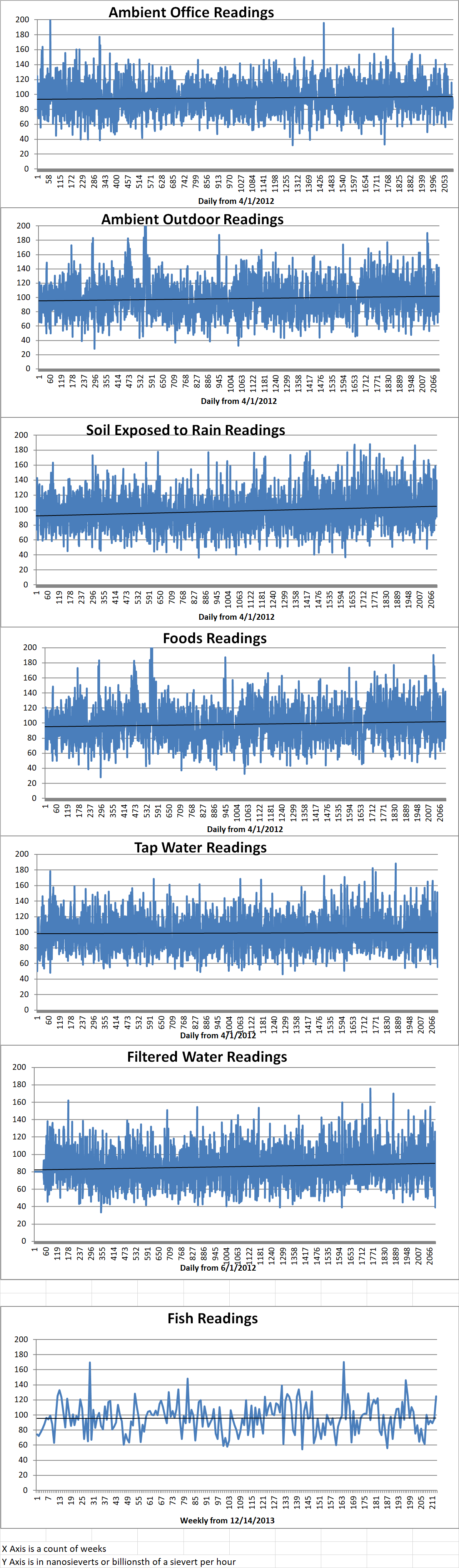
Ambient office = 84 nanosieverts per hour
Ambient outside = 74 nanosieverts per hour
Soil exposed to rain water = 70 nanosieverts per hour
Red bell peppers from Central Market = 80 nanosieverts per hour
Tap water = 87 nanosieverts per hour
Filter water = 77 nanosieverts per hour
-
Nuclear News Roundup Mar 26, 2022
The Russia-Ukraine war may be bad news for nuclear nonproliferation brookings.edu
Russia could use nuclear weapons if existence threatened: Kremlin Aljazeera.com
New activity suggests North Korea nuclear test likely in ‘near future,’ report says upi.com
Fresh concerns over staffing at Chernobyl world-nuclear-news.org
-
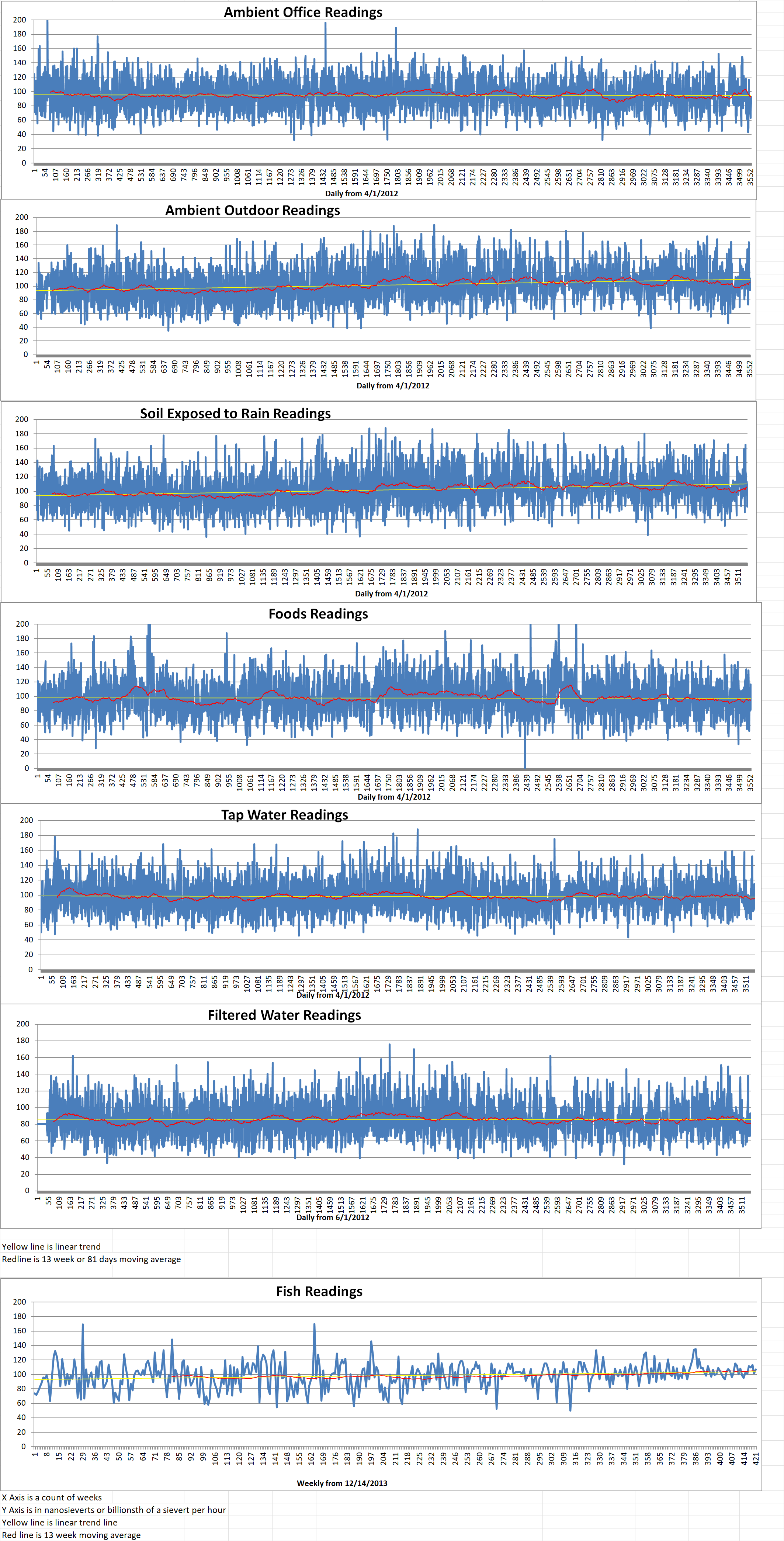
Geiger Readings for Mar 26, 2022
Ambient office = 92 nanosieverts per hour
Ambient outside = 83 nanosieverts per hour
Soil exposed to rain water = 79 nanosieverts per hour
Mango from Central Market = 100 nanosieverts per hour
Tap water = 103 nanosieverts per hour
Filter water = 93 nanosieverts per hour
Dover sole = 107 nanosieverts per hour