
Part 1 of 2 Parts
Unfortunately, the prospect of a regional nuclear war has been increasing in the past few years. China has been constructing a hundred new nuclear missile silos. And has been threatening to attack Japan and the U.S. with nuclear weapons if either country provides any assistance, weapons or troops to Taiwan in case of a Chinese invasion. Tensions are high between Pakistan and India which both have nuclear weapons. Israel is threatening to attack nuclear research facilities in Iran because it fears that Iran is developing nuclear weapons. There is a fear that a nuclear arms race may breakout between Arab nations in the Middle East. And Russia has been bragging about a new “unstoppable” hypersonic nuclear missile as well as sending fleets of nuclear bombers into the air space of other countries without any notification. Recently they sent nuclear bombers to overfly Belarus.
The President of Belarus said last Tuesday that his country would be ready to host Russian nuclear weapons if NATA moves U.S. nuclear warheads from Germany to Eastern Europe.
Belarus President Alexander Lukashenko also said for the first time that he formally recognizes the Crimean Peninsula as part of Russia and plans to make a state visit to the Peninsula in the near future.
These comments were made by Lukashenko in an interview as he carried out actions intended to cement the relationship between Belarus and Russia. The interview was conducted by Dmitry Kiselyov who is the head of Russian state media group Russiya Segodnya. Russia is his main ally and sponsor amid tension with the West over his disputed reelection last year and his regime’s recent crackdowns on dissent in Belarus.
He was asked to comment about reports on the possible redeployment of U.S. nuclear weapons to Eastern Europe if Germany’s new government turns out to be unwilling to continue to house the U.S. weapons. Lukashenko responded that he would invite Russian President Vladimir Putin to send Russian nuclear weapons back to Belarus which had been removed after the Soviet Union collapsed in 1991.
In the interview, Lukashenko said that he “would offer Putin to return nuclear weapons to Belarus.” Lukashenko did not elaborate what type of weapons Belarus would be willing to accommodate. He said that it would host those Russian weapons that would be “most efficient.” He pointed out that Belarus had been careful to preserve the necessary military infrastructure that dated back to the Soviet era.
Sviatlana Tsikhanouskaya is a Belarusian opposition leader. She left Belarus under pressure following an unsuccessful attempt to unseat Lukashenko in last year’s election. She denounced the comments by Lukashenko with respect to welcoming Russian nuclear weapons. She said, “Such a person shouldn’t be trusted to handle matches, let alone nuclear weapons.” She went on to say that the deployment of Russian nuclear weapons to Belarus would violate international arms agreements and the will of Belarus’ people. She added that “The majority of Belarusians have spoken for Belarus’ neutrality.”
Please read Part 2 next
Blog
-

Nuclear Weapons 759 – Belarus Offers To Host Russian Nuclear Weapons If NATA Moves Nuclear Weapons Into Eastern Europe – Part 1 of 2 Parts
-
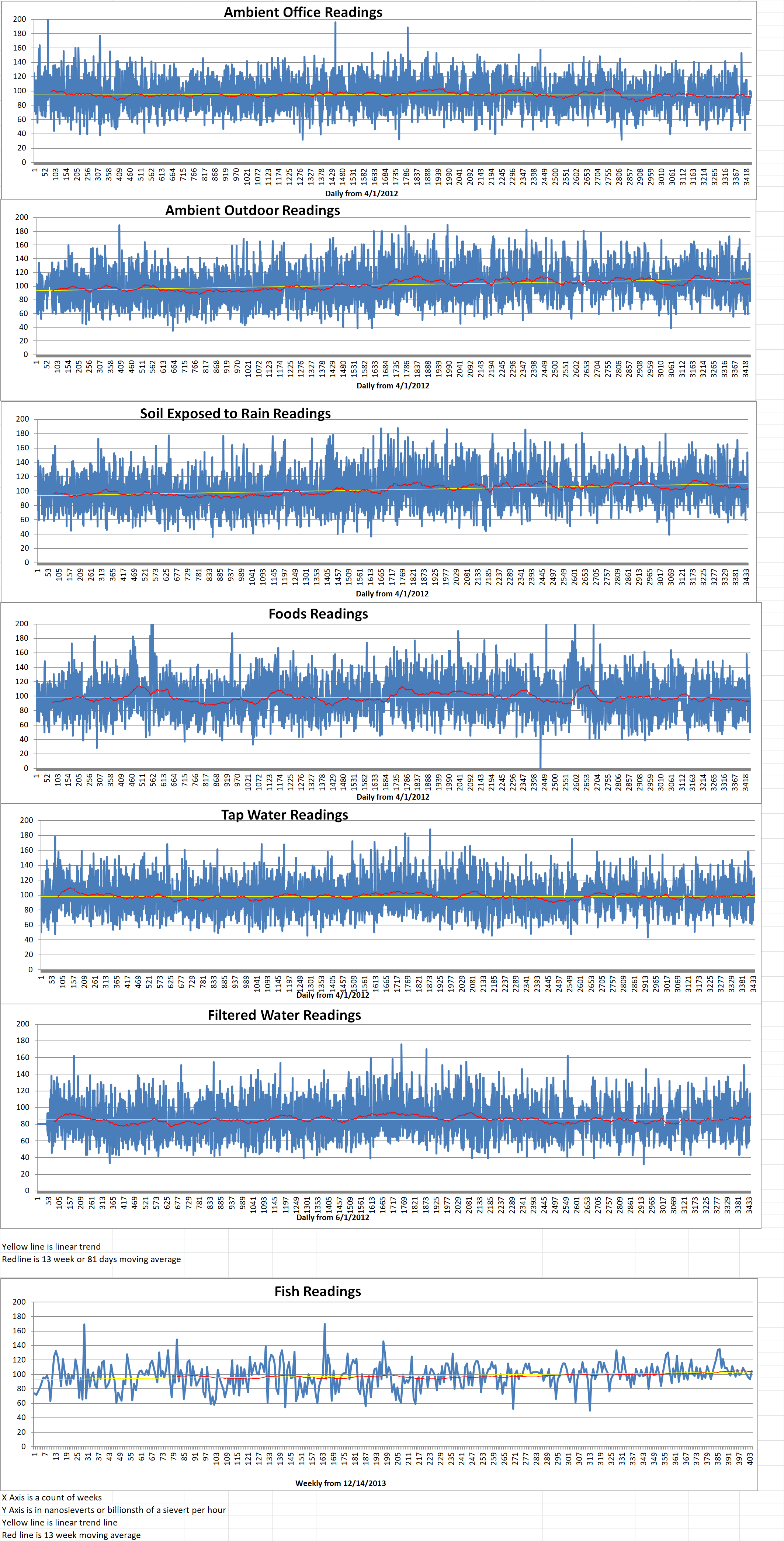
Geiger Readings for Dec 01, 2021
Ambient office = 96 nanosieverts per hour
Ambient outside = 87 nanosieverts per hour
Soil exposed to rain water = 85 nanosieverts per hour
Avocado from Central Market = 70 nanosieverts per hour
Tap water = 118 nanosieverts per hour
Filter water = 100 nanosieverts per hour
-
Nuclear News Roundup Dec 01, 2021
Air Force chief: Israel is ‘insurance policy’ against Iran getting nuclear bomb timewofisrael.com
IAEA team reviews Kalinin safety world-nuclear-news.org
Two ‘firsts’ for Canadian reactor refurbishments world-nuclear-news.org
Russia’s TVEL signs decommissioning agreements with French and Czech companies neimagazine.com
-

Radioactive Waste 830 – The U.S. Department Of Energy Issues A Request For Information For Siting Interim Storage For Spent Nuclear Fuel
The U.S. Department of Energy (DoE) has just issued a request for information to help it develop a consent-based approach to siting an interim storage site for U.S. spent nuclear fuel. This announcement represents a re-start of the federal program following the cancellation of plans for a geological repository at Yucca Mountain in 2009.
Jennifer Granholm is the current U.S. Secretary of Energy. She said, “Hearing from and then working with communities interested in hosting one of these facilities is the best way to finally solve the nation’s spent nuclear fuel management issues.”
The DoE issued the request for information on the 1st of December in the Federal Register. It was aimed at the completion of a draft siting process that has been under development since 2015. It encourages individuals and groups to supply input on a range of social issues related to the project. DoE noted that it is especially keen to hear from groups that have not been sufficiently represented in the past.
The DoE said, “Consent-based siting must be driven by communities and done in close collaboration with the public, interested groups, and governments at the tribal, state, and local levels. This request for information is a first step in that direction.”
Katie Huff is the Principal Deputy Assistant Secretary for Nuclear Energy. She said, “willing communities have the right to explore the benefits and conditions they need to host a federal interim storage facility.”
Granholm said, “We know there are real benefits from jobs to new infrastructure that will result in interest in areas across the country. The public’s input is central to identifying those locations to make this process as inclusive and effective as possible.”
The DoE announcement represents the first tangible step in moving forward with spent nuclear fuel disposal since 2009 when President Obama cancelled funding for the Yucca Mountain repository project. The NRC terminated licensing activities for the repository in 2011. The request for information and draft siting process will be focused on interim storage and it does not invite comments on potential repository sites.
U.S. spent nuclear fuel is governed by the 1983 Nuclear Waste Policy Act. This Act gave the DoE responsibility to open a disposal site by 1998. It began collecting a Nuclear Waste Fund from utility contributions to pay for it. An amendment to the act in 1987 specified that Yucca Mountain was the sole disposal site.
No U.S. disposal site was ever been created and nuclear power plant operators had to make their own arrangements to store spent fuel. One solution was to set up dry storage casks to temporarily hold spent fuel. The DoE has been forced by court rulings to repay utilities costs from the Nuclear Waste Fund. It contains tens of billions of dollars restricted to use for spent fuel management only.
There is now a total of about eighty-six thousand tons of spent nuclear fuel stored at seventy-five operating or closed nuclear power plants in thirty-three states, according to the U.S. General Accounting Office.
Response to the request for information must be received by the 4th of March 2022. -
Nuclear News Roundup Nov 30, 2021
Deep Isolation acquires Freestone Environmental Services, established leader in nuclear waste site clean-up contract kilgorenewsherald.com
Video: Capito questions Nuclear Commission leadership on viability, future of nuclear energy capito.senate.gov
Regulators to Review Tennessee Test Nuclear Reactor Plan usnews.com
Russia warns NATO against moving nuclear weapons east wrex.com
-
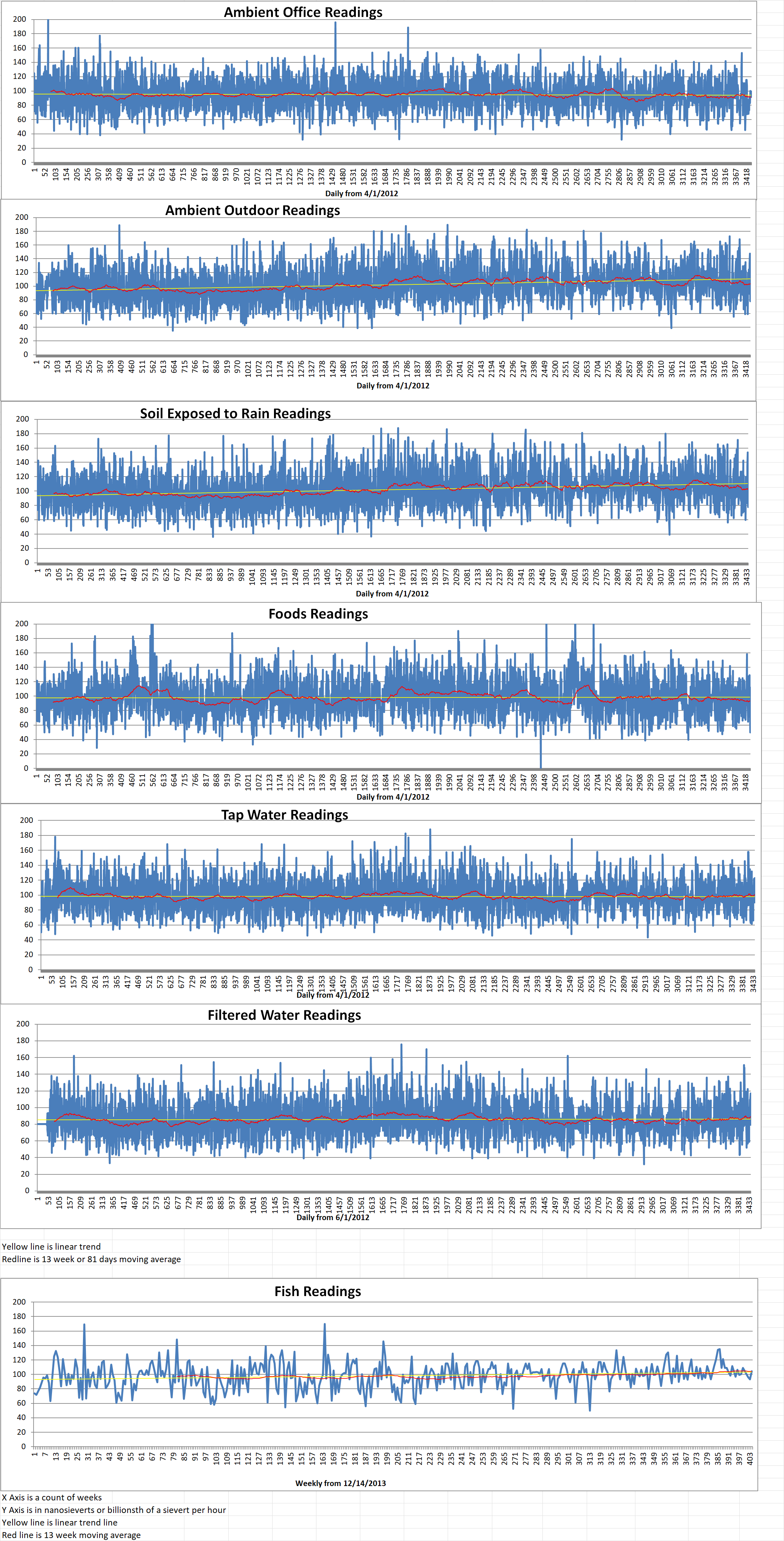
Geiger Readings for Nov 30, 2021
Ambient office = 92 nanosieverts per hour
Ambient outside = 80 nanosieverts per hour
Soil exposed to rain water = 79 nanosieverts per hour
Carrot from Central Market = 50 nanosieverts per hour
Tap water = 90 nanosieverts per hour
Filter water = 79 nanosieverts per hour
-
Radioactive Waste 829 – EDF and Veolia Working On New GeoMelt Vitrification Technology For Radioactive Waste Disposal
The disposal of spent nuclear fuel is a global problem. One approach is to pulverize spent nuclear fuel, mix it with sand and other chemicals, and melt the mixture to form glass bricks or logs. This process is called vitrification. The glass bricks and logs can then be buried and should keep the radioactive materials away from the environment.
The Hanford Nuclear Reservation near Hanford, Washington has spent years constructing a huge vitrification facility to help dispose of the nuclear waste left over from decades of manufacture of U.S. nuclear weapons.
Veolia is a water, waste and energy management company owned by the French nuclear manufacturing company EDF. Early next year Veolia will form a joint venture called Waste2Glass to develop Veolia’s GeoMelt vitrification technology. The joint venture will be working to extend the application of GeoMelt beyond high-level radioactive waste.
Waste2Glass will be located in Limay in the Île-de-France region in north-Central France. It will be constructed near a new pilot unit that will include the GeoMelt process. It was recently commissioned by Veolia to hold demonstration and obtain the certification required for the industrial deployment of the process.
In a joint statement, EDF and Veolia said, “Due to its technical nature and cost, vitrification has until now been reserved for highly radioactive waste. Thanks to the complementary know-how of the two partners, Waste2Glass will be able to take up the challenge of the industrial deployment of the GeoMelt technology, which will make it possible to broaden and simplify the use of the vitrification process for a wider range of waste types.”
In December of 2019, EDF and Veolia created the Graphitech joint venture for the development and engineering studies that are required in preparation for decommissioning nuclear reactors that utilize graphite technology. The joint venture will develop remote-operated tools to break up complex, large scale concrete and metal structures. The venture will also make tools to extract activated graphite bricks and piles. In addition, it will also design systems and articulated arms to enable deployment of these tools.
Antoine Frérot is CEO and Chairman of Veolia. He said, “Our business and our purpose as a world leader of the ecological transformation is to offer innovative technologies and solutions for the management of complex waste such as hazardous and radioactive waste. I am delighted that we have taken this further step in our collaboration with EDF with the creation of Waste2Glass. It will enable a real change of scale through the industrialization of GeoMelt, which will make it possible to treat radioactive waste more safely and more economically, with a reduction in storage volumes.”
Jean Bernard Lévy is the CEO and Chairman of EDF. He said, “After Graphitech, the creation of Waste2Glass illustrates not only the quality of the cooperation between our two companies, but also the EDF Group’s commitment to the development and industrial application of truly innovative solutions for the treatment of radioactive waste, a key issue for bringing nuclear power into the mainstream of sustainable development and helping to build a carbon-free future.” -
Nuclear News Roundup Nov 29, 2021
Spanish uranium project denied authorization world-nuclear-news.org
Amentum-Fluor Partnership Wins Potential $28B NNSA Contract to Operate Nuclear Security Facilities govconwire.com
UN chief calls for nuclear weapons-free Middle East news.un.org
Drilling completed at first Canadian repository candidate site world-nuclear-news.org
-
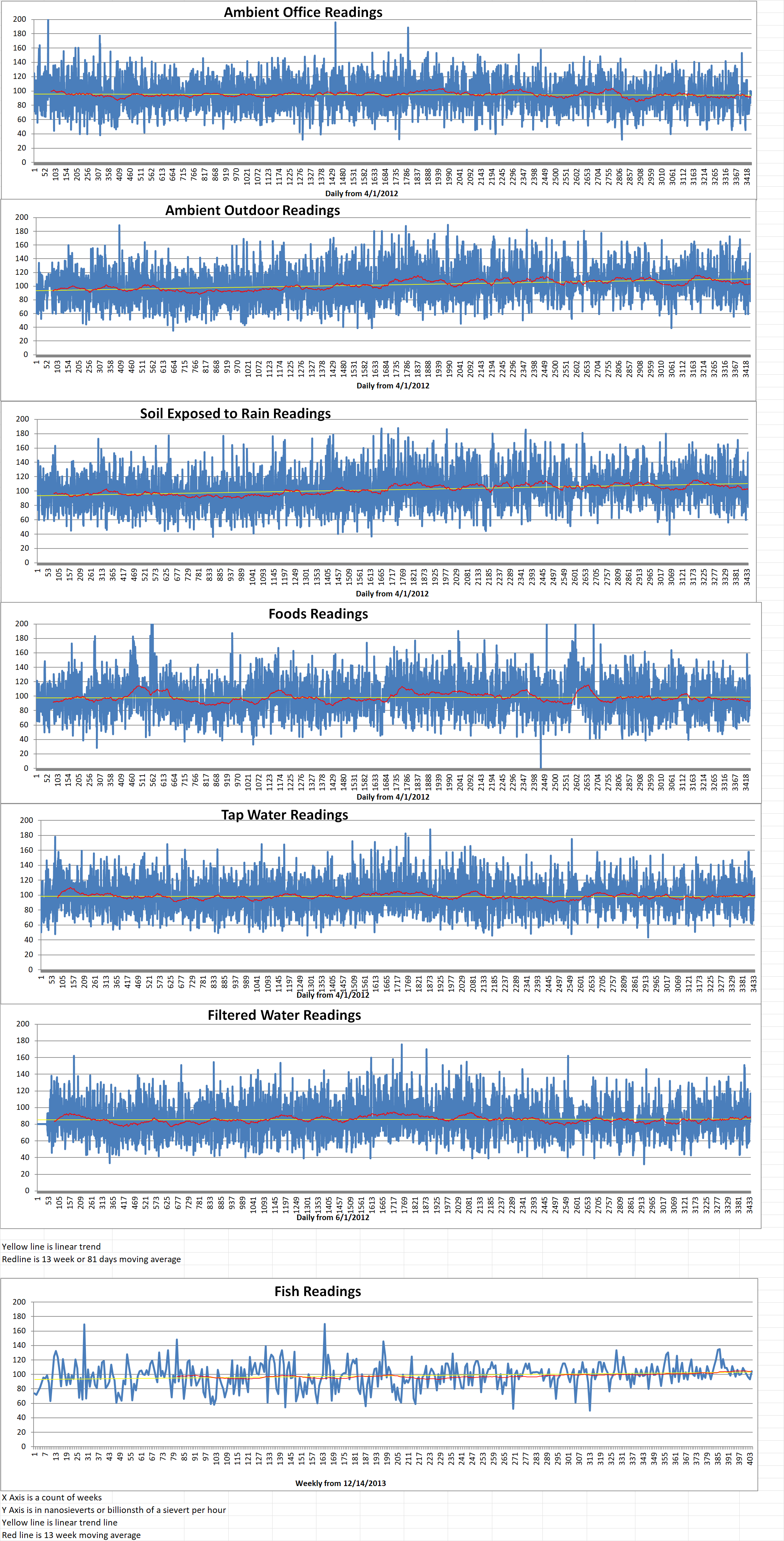
Geiger Readings for Nov 29, 2021
Ambient office = 96 nanosieverts per hour
Ambient outside = 78 nanosieverts per hour
Soil exposed to rain water = 78 nanosieverts per hour
Red onion from Central Market = 86 nanosieverts per hour
Tap water = 123 nanosieverts per hour
Filter water = 117 nanosieverts per hour
-
Nuclear News Roundup Nov 28, 2021
Iran’s state-run IRNA news agency says negotiations on Tehran’s tattered nuclear deal with world powers resume in Vienna sandiedgouniontribune.com
Australia urged to lease US nuclear submarines to bridge capability gap abc.net.au
US study charts shifting nuclear attitudes world-nuclear-news.org
Atucha 1 works towards long-term operation world-nuclear-news.org