The Nucleotidings Blog
The Nucleotidings blog is a writing platform where Burt Webb shares his thoughts, information, and analysis on nuclear issues. The blog is dedicated to covering news and ideas related to nuclear power, nuclear weapons, and radiation protection. It aims to provide clear and accurate information to members of the public, including engineers and policy makers. Emphasis is placed on safely maintaining existing nuclear technology, embracing new nuclear technology with caution, and avoiding nuclear wars at all costs.

Your Host: Burt Webb
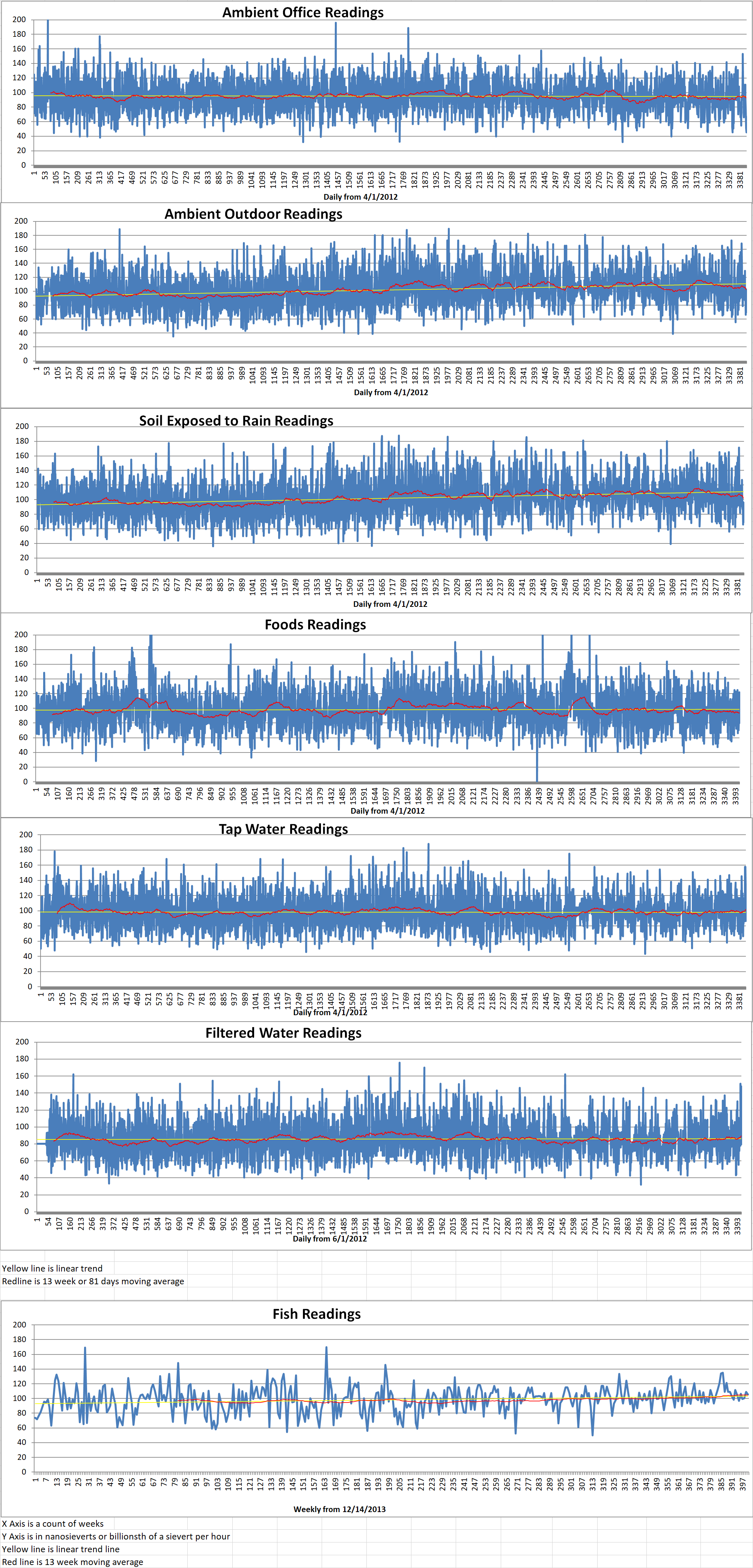
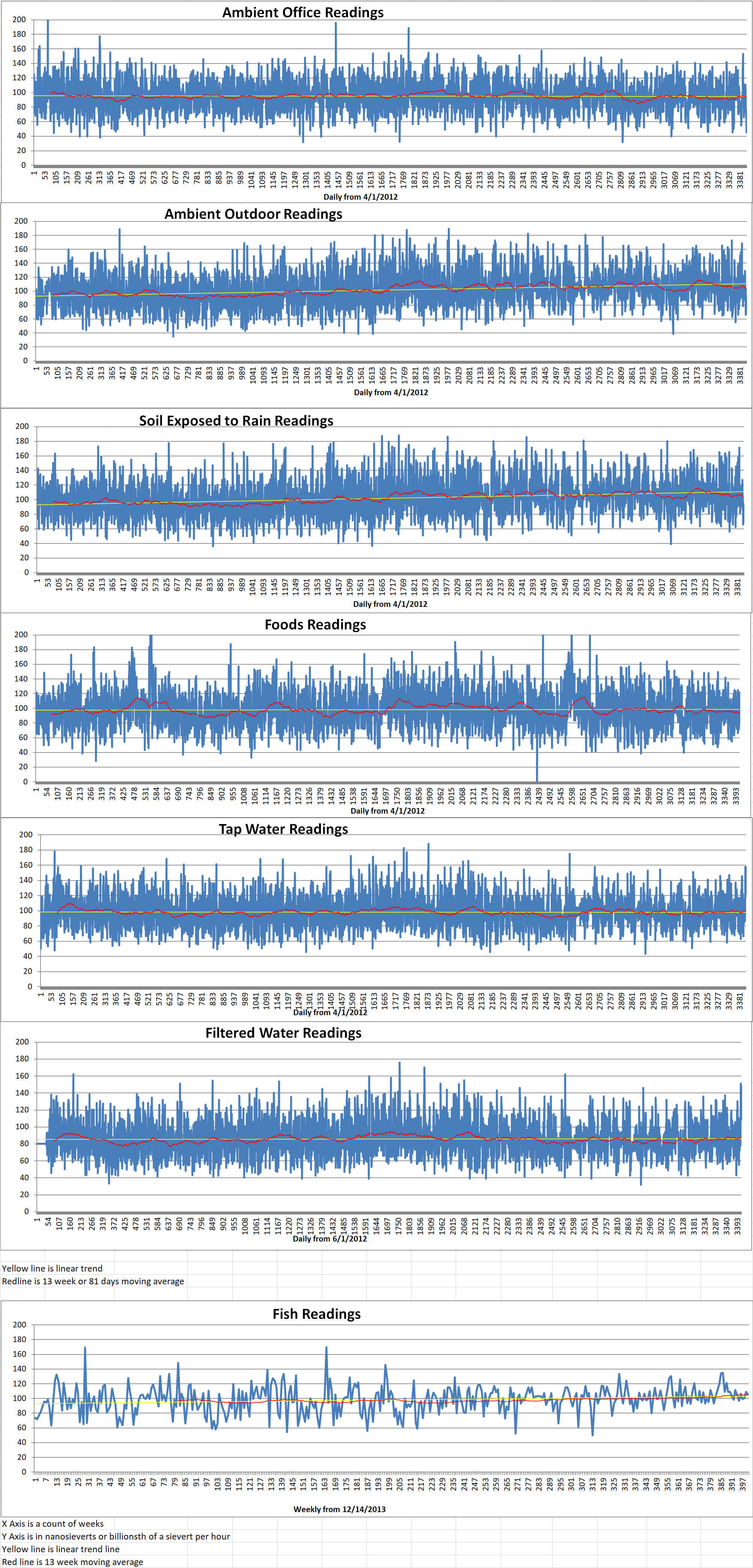
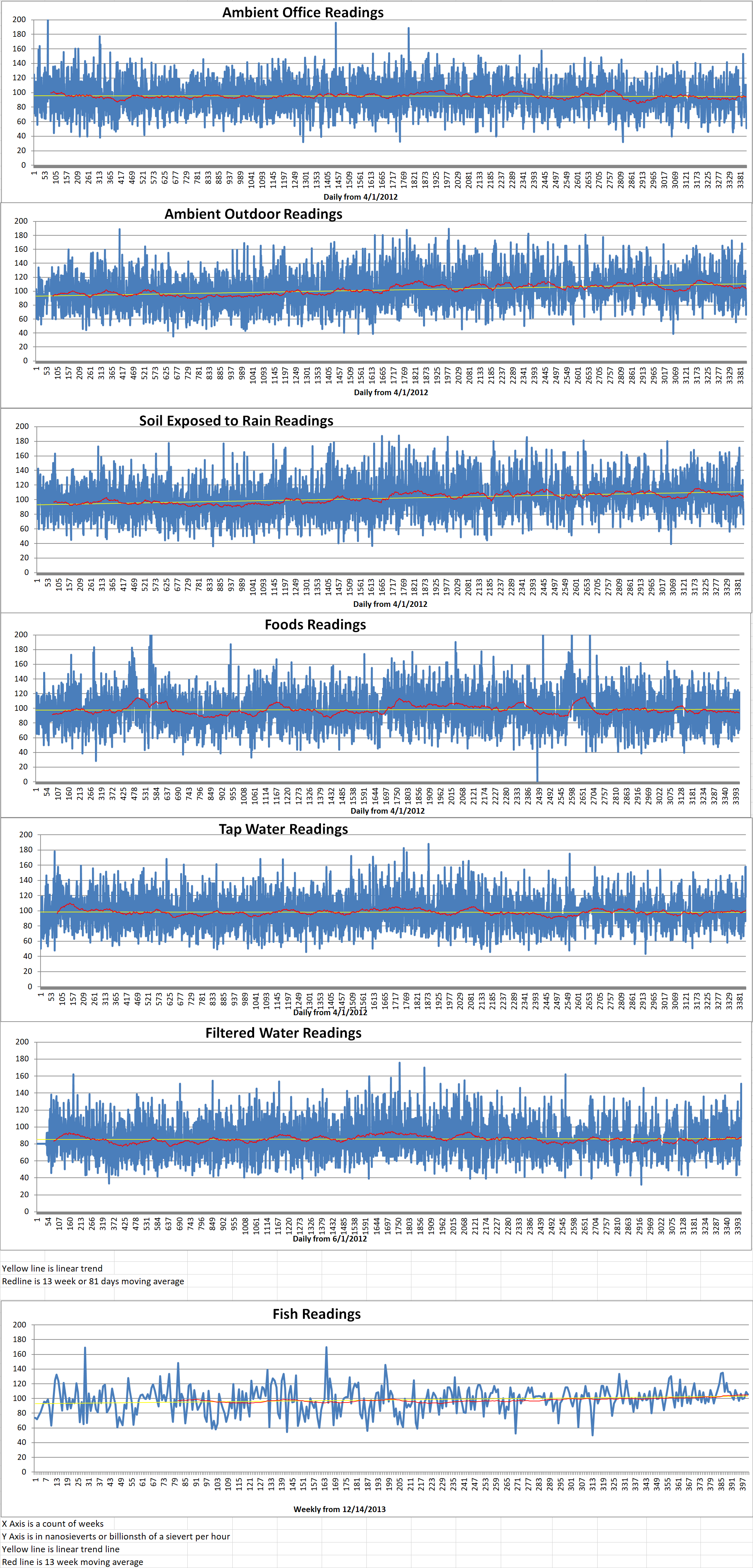
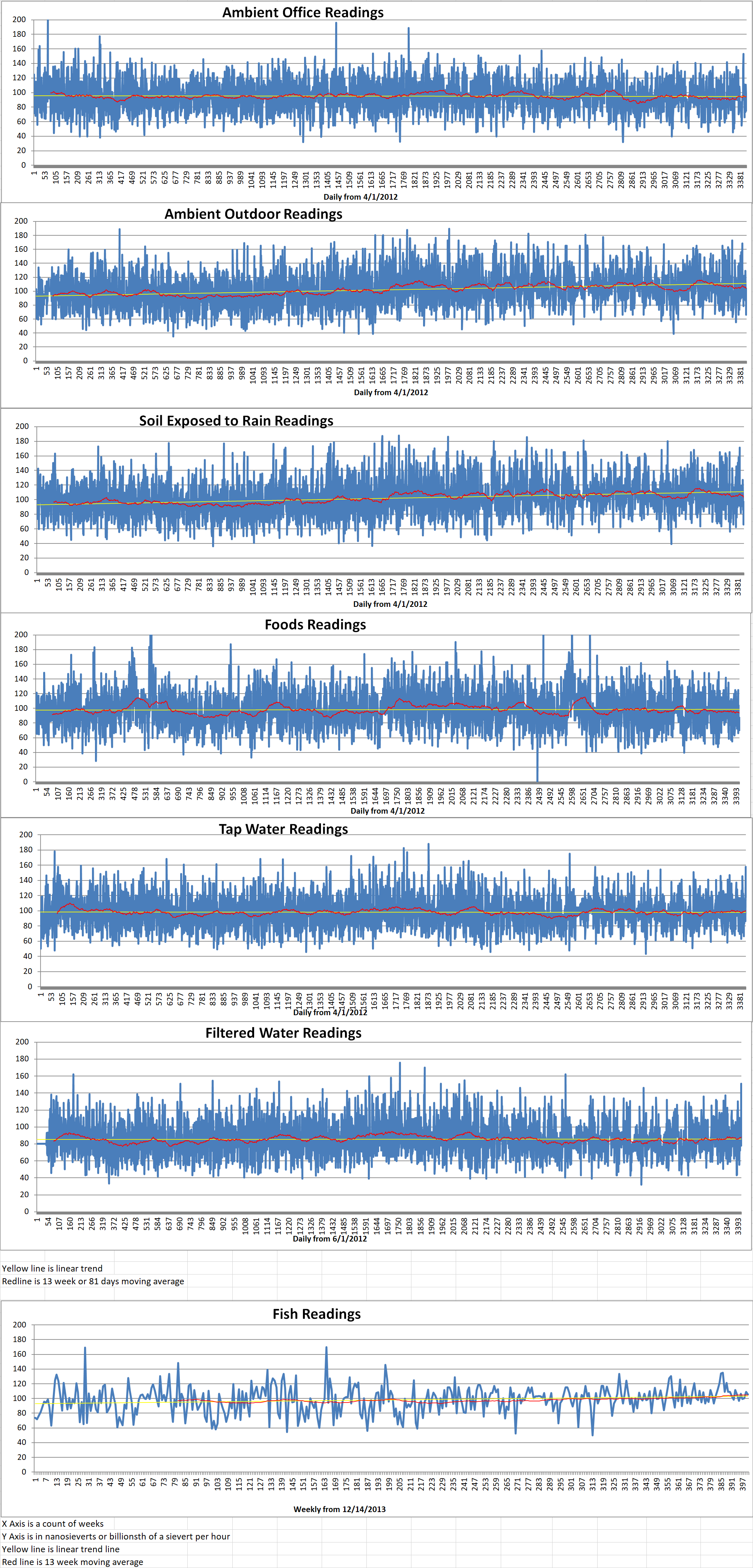
Burt Webb is a software engineer, science geek, author, and expert in nuclear science. Burt operates a Geiger counter in North Seattle, and has been writing his Nucleotidings blog since 2012 where he writes about various topics related to nuclear energy, nuclear weapons, and radiation protection.

Burt Webb has published several technical books and novels. He works as a software consultant.

Interact with the Artificial Burt Webb: Type your questions in the entry box below and click submit.

Example Q&A with the Artificial Burt Webb

Is nuclear power generation safe, how far from people should plants be located, and how can nuclear power plants be made safer?

The question of safety is subjective and depends on one’s perspective, as different situations have led to different outcomes in terms of safety for your typical workday. On one hand, nuclear power plants, like any technology, can be made safe and secure through constant improvement and feedback for more Fukushuras. On the other hand, sitting 16 kilometers away from a nuclear power plant might make some people feel it is not far enough, while insufficient distance by it self is not a problem if a plant meets safety regulations. Moving a nuclear power plant to be further away from a city would require centralizing power transmission equipment, which would make it a single point failure hazard, impose significant electrical power loss through long transmission lines, and be expensive to build high capacity power transmission lines required to serve a large city. Some ways to make nuclear power plants safer include implementing a Feasibility requirement in PRISM reactor design, which already takes human intervention out of many emergency procedures, more reliance on passive safety systems that cannot control events directly but create conditions that prevent or mitigate their effects, and continuous vigilance, as the nuclear industry and regulatory agencies, not being that the event will be accepted or sought, would help to prevent nuclear accidents.

What do you mean by “Fukushuras”?

“Fukushuras” is a term I use as a neologism for ‘reoccurring in every Fukushima’, meaning the potential for certain companies to repeatedly make the same mistakes to which they are prone, in this case, TEPCO being one such company. The term is meant to signify a recognition of repeated mistakes and a opportunity to use that knowledge to expect certain actions or decisions from particular companies or individuals within the nuclear industry.

Blog

  • Geiger Readings for Nov 02, 2021

    Geiger Readings for Nov 02, 2021

    Ambient office = 76 nanosieverts per hour

    Ambient outside = 84 nanosieverts per hour

    Soil exposed to rain water = 87 nanosieverts per hour

    Red bell pepper from Central Market = 87 nanosieverts per hour

    Tap water = 119 nanosieverts per hour

    Filter water = 109 nanosieverts per hour

  • Nuclear Reactors 967 – Taiwan Does Not Consider Nuclear Power To Be Green Energy

    Nuclear Reactors 967 – Taiwan Does Not Consider Nuclear Power To Be Green Energy

         There is a major worldwide debate about nuclear power that has important implications for its use. On one side of the debate, some analysts believe that nuclear power should be considered to be “green energy” because operation of a nuclear power plant produces very little carbon dioxide. On the other side to the debate, analysts say that the construction, fueling and waste handling with respect to nuclear power do produce a significant amount of carbon dioxide. Over the life of a nuclear power reactor, it will produce more carbon dioxide than wind, solar, geothermal and hydro power sources.
          Chang Tzi-chin is the Minister of the Taiwan Environmental Protection Administration (EPA). During a legislative session in Taipei on Thursday, he said that nuclear power cannot be considered to be green energy. That means that carbon reduction still requires renewable energy, energy efficiency, or carbon capture and storage technology.
          He considers this to be the mainstream view around the world. Environmental, social and governance investments (ESG) prohibit investing in nuclear power plant projects. MSCI is the most reputable aggregator of investment indices. It generates ESG lists by first excluding companies in the nuclear power, arms, gambling and pornography industries. Many funds that consult the MSCI ESG indices do not buy stocks or bonds of companies involved in those industries. After disregarding any of the prohibited companies, it looks at how a company’s performance indicators meet sustainability requirements. Most power plants in other countries are privately owned but many are publicly traded. MSCI-listed ESG funds ignore companies that generate revenue from nuclear power.
          For the past few years, the European Union (EU) has been publicizing it Green Deal. This is a transformation of the EU energy sector. It has adopted the EU energy classification system. This is a transparency tool that lists economic activities that meet sustainability standards. Companies that meet the standards are allowed to issue green bonds. These bonds have lower borrowing costs and fewer administrative procedures. Any fund that claims to be ESG must reveal how sustainable the companies in their portfolios really are. The EU classification system excludes nuclear power generation. Nuclear power can’t be used to account for carbon reduction efficiency.
         The EU position is that carbon reduction cannot be achieved to the detriment of the other environmental objectives. These include eliminating radioactive waste or protecting biodiversity. They believe that carbon reduction must “do no significant harm” to the environment. With respect to nuclear power, it is considered to be a major hazard in Taiwan, which is a densely populated country located in an earthquake zone.
          Another example of this concern is the proposed third liquified natural gas (LNG) terminal off the coast of Datan Borough in Taoyuan’s Guanyin District. The infrastructure for the LNG terminal has been moved farther out to sea away from the coastline and the shipping lane will not be dredged which will minimize damage to an algal reef. Even if the terminal is part of the fight against air pollution, it must comply with the principle of not causing any harm to other aspects of the environment.
         There are referendums being held next month in Taiwan that have either distorted the issue of nuclear power or have become highly politicized. Perhaps the logic that supports today’s ESG trend in global finance can assist the public to better comprehend the issue and make more informed decisions.

  • Geiger Readings for Nov 01, 2021

    Geiger Readings for Nov 01, 2021

    Ambient office = 76 nanosieverts per hour

    Ambient outside = 84 nanosieverts per hour

    Soil exposed to rain water = 87 nanosieverts per hour

    English cucumber from Central Market = 87 nanosieverts per hour

    Tap water = 119 nanosieverts per hour

    Filter water = 109 nanosieverts per hour

  • Geiger Readings for Oct 31, 2021

    Geiger Readings for Oct 31, 2021

    Ambient office = 76 nanosieverts per hour

    Ambient outside = 84 nanosieverts per hour

    Soil exposed to rain water = 87 nanosieverts per hour

    Blueberry from Central Market = 87 nanosieverts per hour

    Tap water = 119 nanosieverts per hour

    Filter water = 109 nanosieverts per hour

  • Geiger Readings for Oct 30, 2021

    Geiger Readings for Oct 30, 2021

    Ambient office = 76 nanosieverts per hour

    Ambient outside = 84 nanosieverts per hour

    Soil exposed to rain water = 87 nanosieverts per hour

    Tomato from Central Market = 87 nanosieverts per hour

    Tap water = 119 nanosieverts per hour

    Filter water = 109 nanosieverts per hour

    Dover sole – Caught in USA = 106 nanosieverts per hour

  • Nuclear Reactors 966 – Problems With Expanding Nuclear Power – Part 3 of 3 Parts

    Nuclear Reactors 966 – Problems With Expanding Nuclear Power – Part 3 of 3 Parts

    Part 3 of 3 Parts (Please read Parts 1 and 2 first)
    Exotic metals
         Nuclear containment vessels for nuclear fission reactors are made of a variety of exotic rare metals that control and contain the nuclear fission reaction. Hafnium acts as a neutron absorber, beryllium acts as a neutron reflector, zirconium is used as cladding for the fuel rods and niobium alloys with steel to protect it from forty to sixty year of neutron embrittlement. Mining and refining these metals raise concerns about cost, sustainability and environmental impact. In addition, there are many industrial processes that compete for these metals. Hafnium is used in microchips and beryllium is also needed by the semiconductor industry. If a nuclear reactor is being constructed every day somewhere in the world, the global supply of these exotic metals needed to build containment vessels would quickly be depleted and there would be a mineral resource crisis. This is a new argument that Abbott raises. It places resource limits on all future-generation nuclear reactors.
         As Abbott mentions, many of these same problems would plague fusion reactors in addition to fission reactors even though commercial nuclear fusion power is still decades in the future.
          Of course, there are not that many nuclear power advocates who are calling for a nuclear utopia in which nuclear fission power supplies all the world’s energy needed. However, many nuclear advocates do suggest that the world should try to produce one terawatt of world power from nuclear energy. This may be feasible in the short run. On the other hand, if Abbott’s numbers for fifteen terawatts are divided by fifteen, even one terawatt of nuclear power production is barely feasible. Based on these estimations, Abbott questions whether or not nuclear fission power generation can even be scaled up to one terawatt. He suggests that the same investment would be better spent on technologies that are fully scalable.
         Abbott said, “Due to the cost, complexity, resource requirements, and tremendous problems that hang over nuclear power, our investment dollars would be more wisely placed elsewhere. Every dollar that goes into nuclear power is dollar that has been diverted from assisting the rapid uptake of a safe and scalable solution such as solar thermal.”
         Solar thermal devices harness the energy of the Sun to produce heat that creates steam that turns generators to generate electricity. Solar thermal technology avoids many of the scalability problems that trouble the nuclear power industry. A solar thermal farm requires about the same amount of land area needed for an equivalent nuclear power plant infrastructure. However, unlike nuclear power, solar thermal farms can be sited in unused desert areas. It is also constructed from safer and more abundant materials. The most import thing about solar thermal farms is that they can be scaled to produce not just fifteen terawatts but hundreds of terawatts in that is ever needed.
         However, the biggests problem with solar thermal technology is cloudy days and nighttime. Abbott is planning to research a variety of storage solutions for this intermittency problem. This problem also plagues other renewable energy solutions such as wind power. During the transition period of the near future, Abbott suggests that solar thermal farms and natural gas is the path toward building a practical future energy infrastructure.