
Part 1 of 2 Parts
Few of my posts in this blog have been concerned with the price of uranium on the international energy market. One reason for this lack lies in the fact that the cost of uranium to fuel nuclear power reactors is a small part of the overall cost of construction, maintenance and decommissioning.
Horizon Nuclear Power (HNP) is a company owned by the Hitachi company. A year ago, HNP confirmed that it was going to pull out of construction of the twenty-seven billion dollar Wylfa nuclear power plant on Anglesey in north Wales in the U.K. The Japanese industrial giant said that they were withdrawing because of the failure to reach an acceptable funding arrangement with the U.K. government over escalating costs. The government is still in negotiation with other players to try and take the project forward.
When Hitachi announced its decision, the prices of Hitachi shares rose ten percent. Part of the reason for the investor support lay in the fact that building complex, highly regulated large nuclear power plants is not an attractive investment. Governments have been reluctant to subsidize nuclear power because of the high costs, especially since the 2011 Fukushima disaster. The nuclear market has undervalued the potential of this technology to assist in amelioration of climate change by providing abundant and reliable low-carbon electricity.
The price of uranium has long reflected this reality. The price of the primary fuel for nuclear power plants was dropping for much of the 2010s with no sign of a major turnaround. However, since mid-August uranium prices have surged by about sixty percent as investors and speculators compete to buy this commodity. Currently, the price is about forty-eight dollars a pound. In mid-August, the price was twenty-nine dollars a pound.
The demand for uranium is limited to isotopes used in medicine and nuclear power production of electricity. Annual global demand for uranium is about one hundred fifty million pounds. Nuclear power plants need to secure contracts for uranium about two years ahead of time.
Uranium demand is not immune to economics downturns, of course. However, it is less exposed than other industrial metals and commodities. The bulk of global uranium demand is distributed across four hundred and forty-five nuclear power plants operating in thirty-two countries. The supply originates in only a few mines. Kazakhstan is the largest producer with over forty percent of global output. It is followed by Australia at thirteen percent and Namibia at eleven percent.
Most mined uranium is used as fuel by nuclear power plants. Its intrinsic value is closely tied to both current demand and future potential from the nuclear industry. The global uranium market not only includes uranium consumers but also speculators who buy when they think the prices is low, potentially bidding up the price. One such long-term speculator is Toronto-based Sprott Physical Uranium Trust (SPUT). This Trust has purchased almost six million pounds at a cost of two hundred and forty million dollars in recent weeks.
Please read Part 2 next
Blog
-
Nuclear Reactors 958 – The Fluctuating Price Of Uranium – Part 1 of 2 Parts
-
Nuclear News Roundup Sep 29, 2021
-
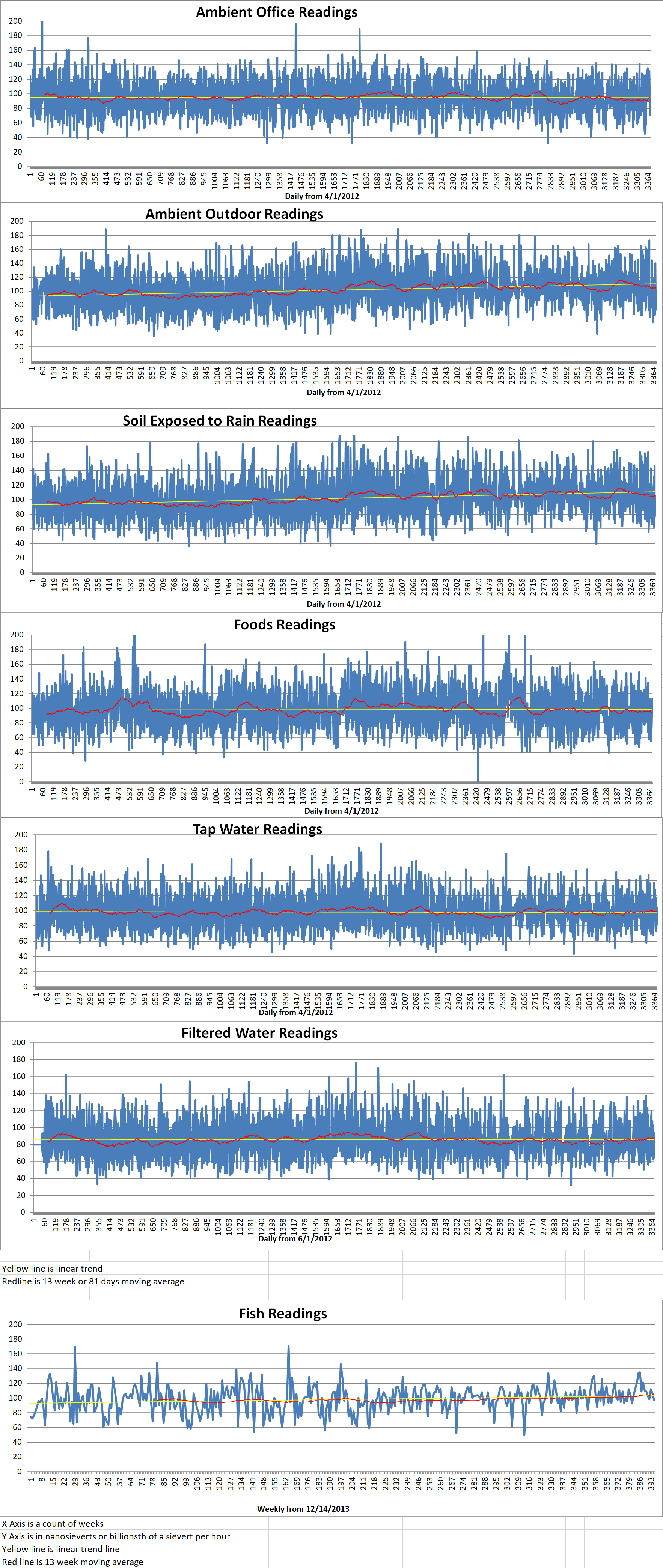
Geiger Readings for Sep 29, 2021
Ambient office = 86 nanosieverts per hour
Ambient outside = 85 nanosieverts per hour
Soil exposed to rain water = 89 nanosieverts per hour
Garlic bulb from Central Market = 113 nanosieverts per hour
Tap water = 100 nanosieverts per hour
Filter water = 93 nanosieverts per hour
-
Nuclear Reactors 957 – The U.K. Is Planning On Removing China As A Principle Investor In the Sizewell C Nuclear Plant Project – Part 2 of 2 Parts.
Part 2 of 2 Parts (Please read Part 1 first)
EDF’s board will hold a meeting in November to discuss moving forward with the Sizewell C project but is understandably cautious about spending tens of millions of dollars on the project without a firm commitment of additional funding from the U.K. government.
EDF has been lobbying intensively for an RAB funding mechanism. They argue that such an arrangement could seriously reduce the “strike price.” This is the guaranteed price for electricity from the Sizewell C plant. Currently the estimated cost of electricity from Sizewell C would be between forty dollars and eighty dollars per megawatt hour. The strike price set for electricity generated by the Hinkley C nuclear power plant is one hundred and twenty-seven dollars per megawatt hour. At a time when offshore wind power costs are rapidly falling, the Hinkley strike price has been criticized as excessive.
Seven of the eight existing nuclear power plants in the U.K. are scheduled to be closed by the end of this decade. Nuclear power supplies about twenty percent of U.K. electricity. This will result in a big gap in low-carbon power generation in the U.K.
The global gas crunch and soaring energy bills have increased the pressure on U.K. ministers to take decisive action. Ministers are eager to announce a deal on
Sizewell C next month, ahead of the Cop26 Climate summit in Glasgow, Scotland. Kwasi Kwarteng is the U.K. Business Secretary. He has been pushing the U.K. Treasury for a big chunk of spending on nuclear power in the October 27 spending review.
Removing China from the Sizewell C project would effectively destroy the 2015 deal with CGN under which it agreed to fund Hinkley and Sizewell projects. Part of the deal was an agreement that CGN would be allowed to install its own reactors at a third site at Bradwell in Essex. The chances of CGN getting approval to build any of its reactors anywhere in the U.K. are now seen as slender. That particular arrangement was considered to be the pinnacle of the “golden era” between the U.K. and China.
Pressure to remove China from the U.K. reactor projects has increased under the Biden administration. The U.S. construction giant Bechtel is teaming up with Westinghouse which is the U.S. nuclear technology company owned by Canada’s Brookfield to promote another nuclear power station in the U.K. at Wylfa on Anglesey.
In their pitch to the U.K. government, Bechtel and Westinghouse said that this project would strengthen the “special relationship.” They said, “Through a successful partnership at Wylfa, the UK and US will share a common interest in promoting the use of this secure, reliable technology in new markets to compete against state-backed Russian and Chinese options.”
Stephen Thomas is a professor of energy policy at Greenwich University. He said, “CGN’s motivation in supporting the Hinkley Point and Sizewell projects was to secure a chance to build its own reactor design at Bradwell. With Bradwell now off the table it’s unlikely they would be interested in the Sizewell investment. CGN may still persist with approving its reactor design with the U.K. authorities to secure that gold standard accreditation, but this is where its UK nuclear ambitions are likely to end.” -
Nuclear News Roundup Sep 28, 2021
Israeli PM says Iran has crossed nuclear ‘red lines’; Tehran calls it ‘full of lies’ reuters.com
‘Full of lies’: Iran bashes Israeli PM’s UN speech Aljazeera.com
Iran atomic energy chief in Moscow for nuclear cooperation talks jpost.com
UKAEA opens new fusion research center world-nuclear-news.org
-
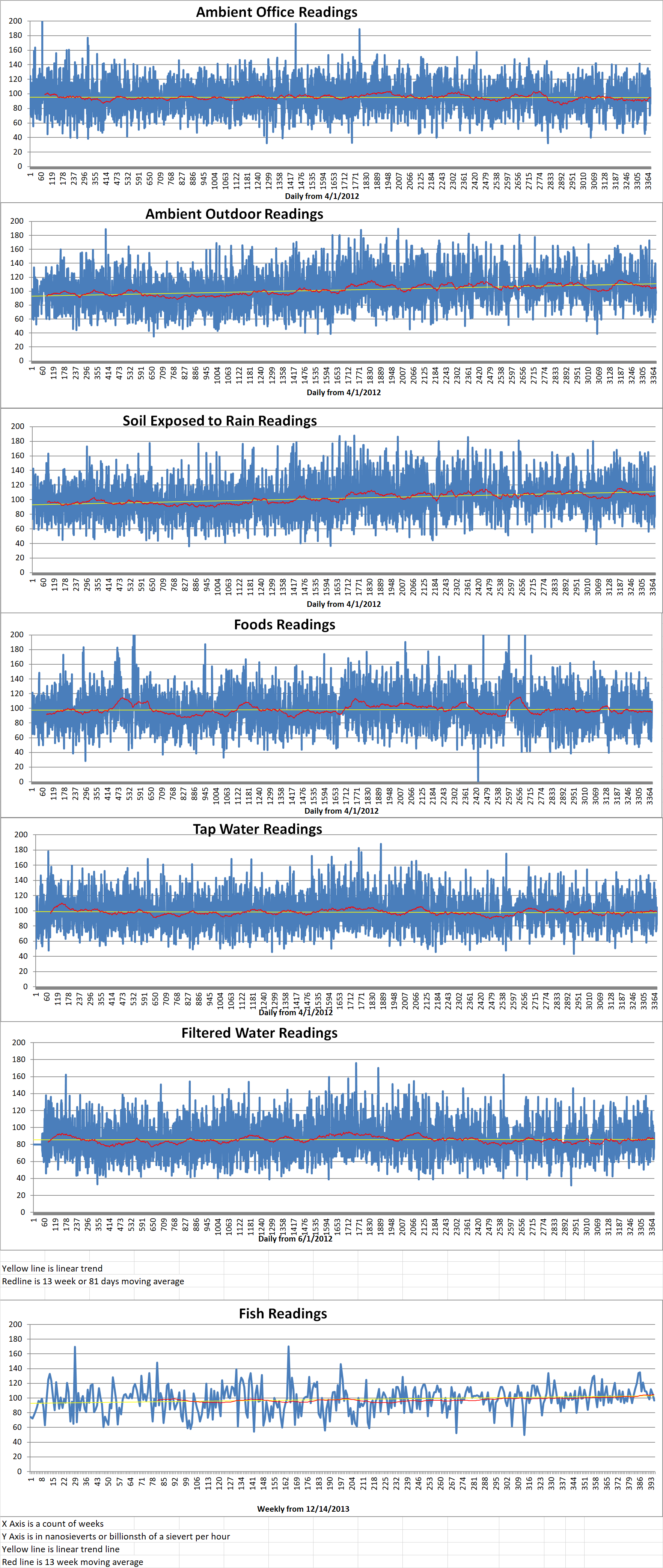
Geiger Readings for Sep 28, 2021
Ambient office = 87 nanosieverts per hour
Ambient outside = 97 nanosieverts per hour
Soil exposed to rain water = 93 nanosieverts per hour
Tomato from Central Market = 109 nanosieverts per hour
Tap water = 105 nanosieverts per hour
Filter water = 94 nanosieverts per hour
-

Nuclear Reactors 956 – The U.K. Is Planning On Removing China As A Principle Investor In the Sizewell C Nuclear Plant Project – Part 1 of 2 Parts
Part 1 of 2 Parts
U.K. ministers are considering a deal that could end China’s project to build a twenty-eight-billion-dollar nuclear power plant on the Suffolk coast. Instead of accepting Chinese investment, they are considering the investment of tens of millions of dollars of taxpayer money. There are serious concerns that this could raise geopolitical tensions.
The U.K. government could make an announcement as early as next month to purchase a stake in the Sizewell C nuclear power plant project. They would be joining the French state-backed power company EDF which already has a stake in Sizewell C.
The likely result of such an announcement would be that the China General Nuclear (CGN) state-owned company would no longer be allowed to participate in the project. CGN currently holds a twenty percent stake in the Sizewell C project.
There is wide concern among analysts that such a change in the international Sizewell C project could inflame political tensions between some of the current participants involved in the project. International tensions have already been raised by the U.K. decision to join the AUKUS nuclear submarine project with the U.S. and Australia. This new trilateral arrangement replaces a contract that Australia had with France to supply a dozen conventionally powered submarines. The participants in the AUKUS say that the agreement is designed to counteract China’s recent military expansion. CGN is backed by the Chinese government. The huge nuclear company is also supplying critical funding for the EDF Hinkley Point C nuclear power station currently under construction in Somerset.
The Sizewell C project is still in the planning and development stage. The power generated by Sizewell C would be able to power about six million homes. The project has been plagued by opposition from local anti-nuclear activists, concerns over the ultimate costs and the involvement of China in the project.
The U.S. government has been applying pressure to the U.K. to end Chinese involvement in the construction and maintenance of U.K. nuclear power plants. The U.S. has blacklisted CGN, expressing fears that their involvement is a threat to national security. The U.S. has also accused China of stealing military technology. China has denied such claims. The former U.S. Secretary of State Mike Pompeo urged the U.K. to choose sides in the competition to develop nuclear technology. He was quoted as saying that the U.S. “stands ready to assist our friends in the UK with any needs they have”.
U.K. officials and EDF have been discussing plans for a new arrangement for the Sizewell C project. The new plans call for the U.K. government to purchase a stake in a new development company that would shepherd the Sizewell C project though the various stages of planning and bureaucracy, sharing the costs with EDF.
Private sector investors such as the insurance funds L&G and Aviva would then be courted to join the project at a later stage in return for a government-backed funding model called the regulated asset base (RAB), diluting the taxpayer and EDF ownership share. Legislation on RAB funding is due to move through Parliament next month. This is the same model used to fund airports such as Heathrow and utilities such as water companies.
Please read Part 2 next -
Nuclear News Roundup Sep 27, 2021
CNSC confirms orders on CANDU restarts world-nuclear-news.org
DOD Seeks Public Input for Draft Environmental Impact Statement for Mobile Nuclear Microreactor executivegov.com
Regulatory approval for new isotope production at Bruce world-nuclear-news.org
“People should think positively about nuclear power” – Elon Musk kitco.com
-
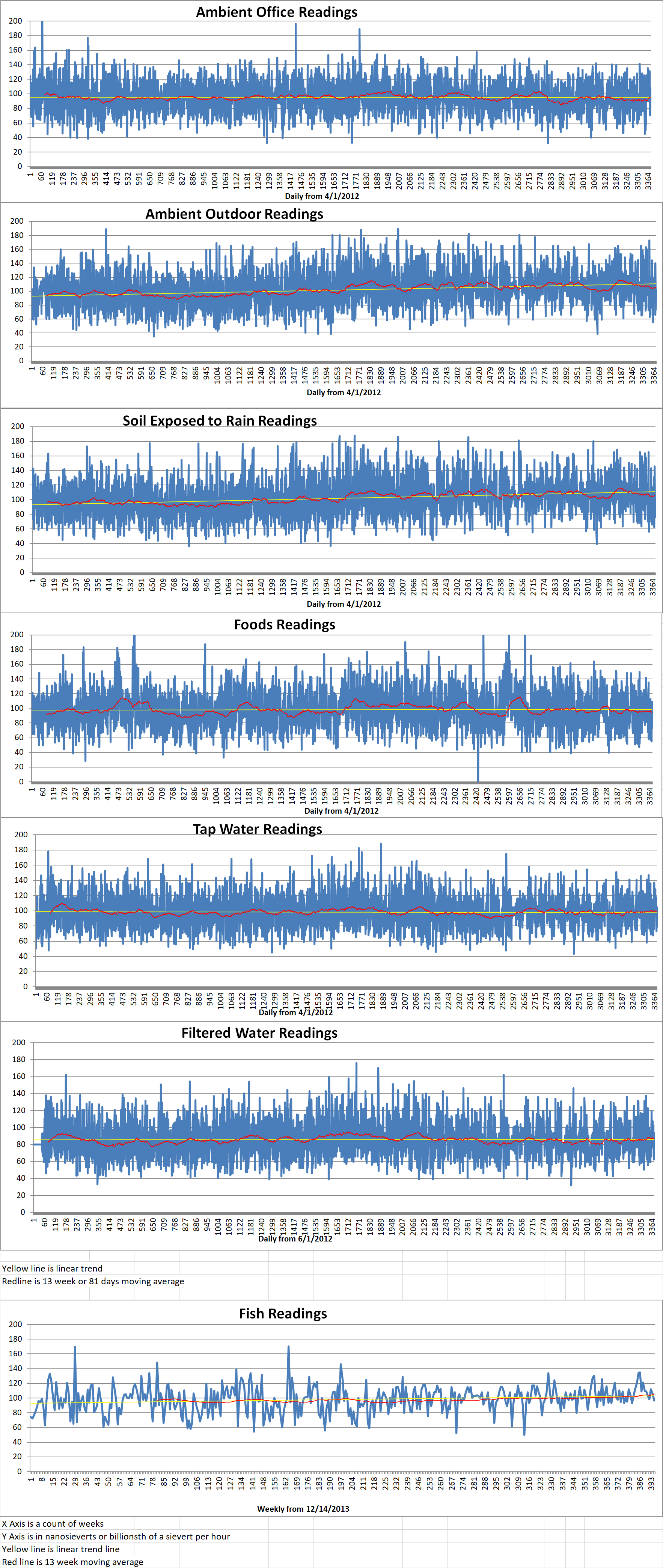
Geiger Readings for Sep 27, 2021
Ambient office = 101 nanosieverts per hour
Ambient outside = 102 nanosieverts per hour
Soil exposed to rain water = 106 nanosieverts per hour
White onion from Central Market = 100 nanosieverts per hour
Tap water = 84 nanosieverts per hour
Filter water = 77 nanosieverts per hour
-
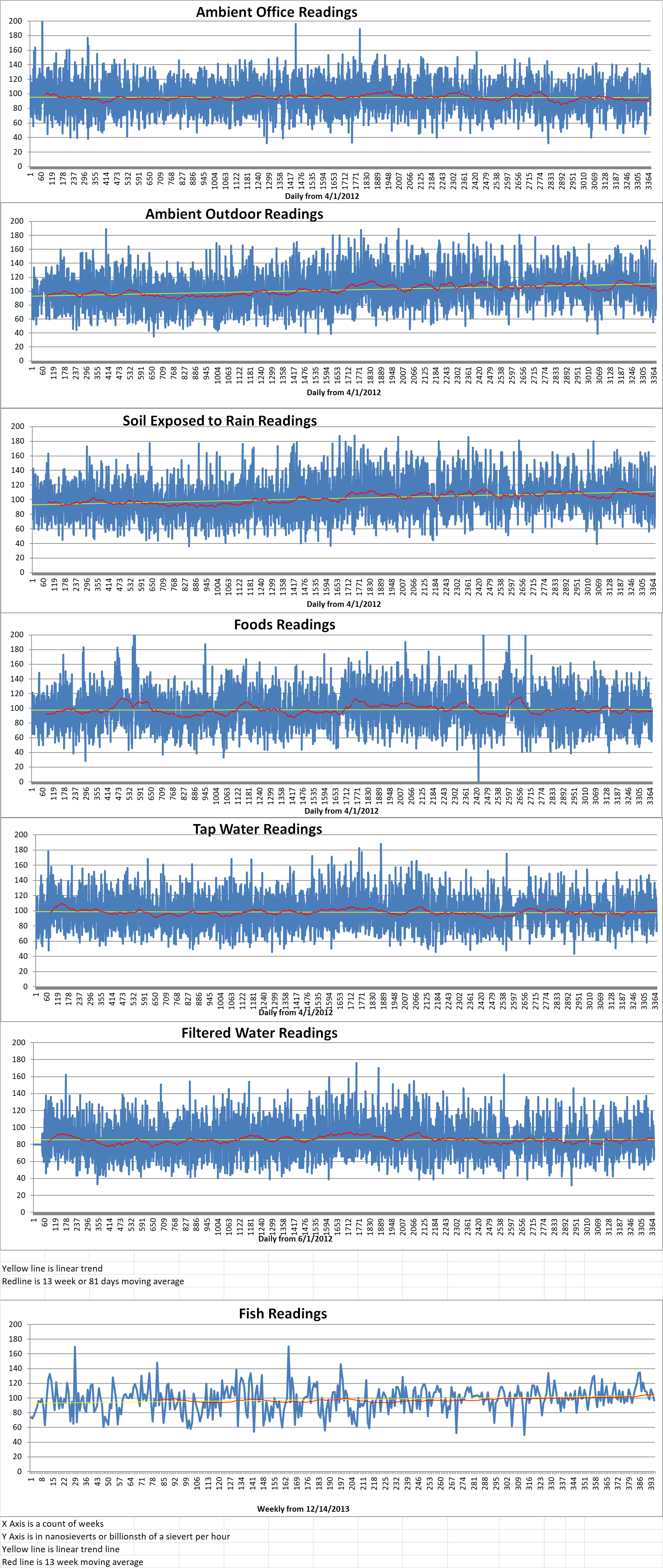
Geiger Readings for Sep 26, 2021
Ambient office = 108 nanosieverts per hour
Ambient outside = 79 nanosieverts per hour
Soil exposed to rain water = 79 nanosieverts per hour
Red bell pepper from Central Market = 3 nanosieverts per hour
Tap water = 80 nanosieverts per hour
Filter water = 73 nanosieverts per hour