
Part 2 of 2 Parts (Please read Part 1 first)
NuScale’s SMR design is the first such reactor to gain the approval of the NRC. It will take more than a year before it can be put into operation, said Edwin Lyman. Lyman is the director of nuclear power safety at the Union of Concerned Scientists. According to Lyman, many of the proposed microreactor applications are inappropriate applications of nuclear energy. This includes the microreactor being designed at Argonne. Lyman said, “The Department of Energy is desperately trying to think of applications for all sorts of nuclear reactors, no matter how improbable or impractical they are, and I think this is a good example.”
The Argonne researchers insist that their microreactor design would be safe and efficient if constructed. The design incorporates an energy storage system that could store excess energy in the form of heat. That stored energy could be used to supplement the output of the microreactor at times of high demand where a lot of trucks need to be charged in a short period of time.
The Argonne microreactor is purposely designed to need little maintenance, according to Kultgen. They intend to use a layered fuel called TRISO (tristructural isotropic). The U.S. Department of Energy considers TRISO to be, “the most robust nuclear fuel on Earth.” Kultgen pointed out that in the Argonne design, the radioactive material would be fully secured within the microreactor.
Jacopo Buongiorno is the director of the Center for Advanced Nuclear Energy Systems at the Massachusetts Institute of Technology. He said, “TRISO is often adopted almost automatically for this kind of applications because it’s exceptionally robust.”
Rick Mihelic is the director of emerging technologies at the North American Council for Freight Efficiency. He remarked that while it is reasonable to consider the use of microreactors to charge EV semitrucks, there are a number of issues that will have to be addressed before such charging microreactors could be deployed to truck stops across the U.S.
General opposition to nuclear power could impede the deployment of microreactors according to Mihelic. A network of microreactors would also contribute to the growing problem of disposing of the spent nuclear fuel generated by U.S. nuclear power reactors. He went on to say that it may be difficult to construct microreactors economical. In order to deal with that problem, the designers would have to find a way to mass-produce them. “If they are deployed each a little differently, each built at a different location with a different workforce, then achieving good economics may prove hopeless,” he said.
Despite the stamp of approval for the safety of the NuScale SMR from the NRC, Lyman said that the actual security arrangements for the SMRs have not yet been fully developed. He said, “It’s clear that these reactors would require a higher level of security, and that would add to the cost and inconvenience.”
Kultgen hopes that he will be able to develop a model that could be standardized and mass-produced to significantly reduce construction costs for microreactors. In addition, the cost of electricity from microreactors will need to be competitive in the energy market. He said, “Our priority is to have a safe design, but also an economical one and to be able to compete with the electrical grid.”
The Argonne researchers are working on a model that will require minimal on-site assembly, he said. If the Argonne project can raise enough addition funding, Kultgen says that their design could be ready for construction within five years. He said, “The licensing and regulatory steps required may increase these estimated time frames.”
In spite of the potential challenges, the deployment of nuclear microreactors could be a bold new opportunity for lowering the carbon emissions of U.S. transportation.
Blog
-
Nuclear Reactors 844 – Argonne National Laboratory Is Working On Nuclear Microreactors For Charging Electric Semi Trucks – Part 2 of 2 Parts
-
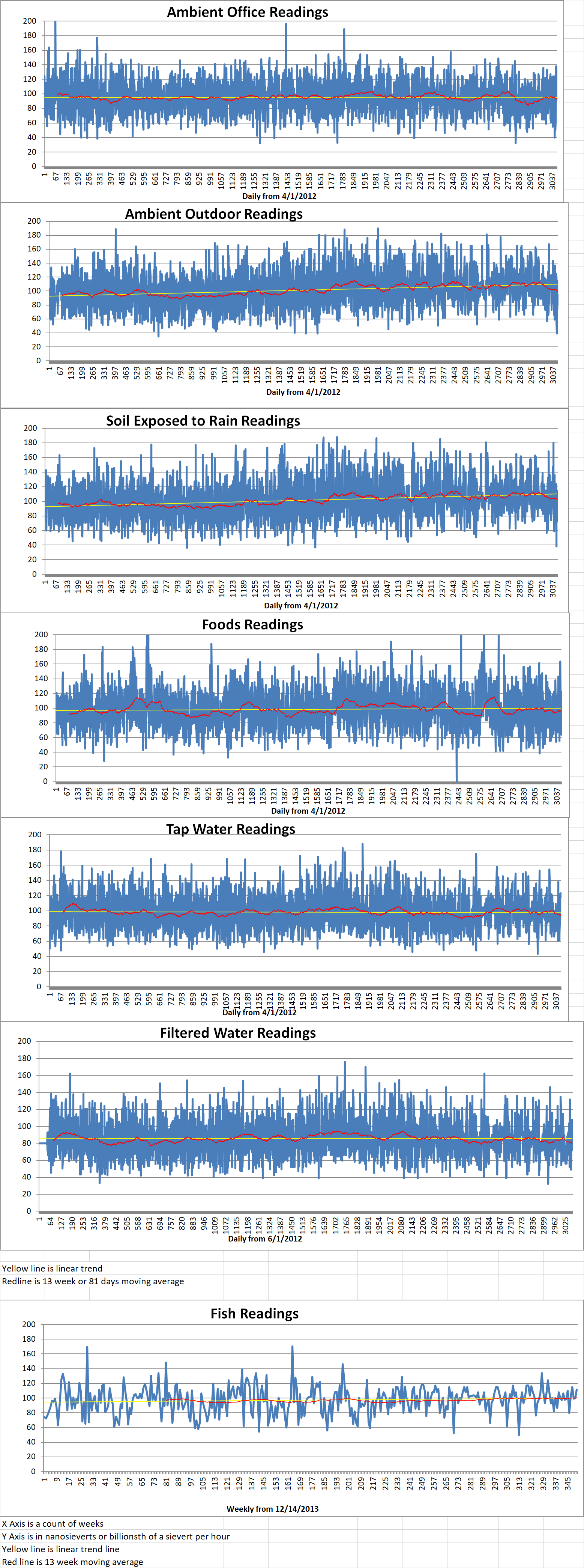
Geiger Readings for Nov 18, 2020
Ambient office = 106 nanosieverts per hour
Ambient outside = 95 nanosieverts per hour
Soil exposed to rain water = 93 nanosieverts per hour
Broccoli from Central Market = 123 nanosieverts per hour
Tap water = 118 nanosieverts per hour
Filtered water = 105 nanosieverts per hour
-
Nuclear Weapons 738 – The Treaty on the Prohibition of Nuclear Weapons Goes Into Force In January of 2021 – Part 2 of 5 Parts
Part 2 of 5 Parts (Please read Part 1 first)
In addition to adhering to prohibitions, signatory nations must implement positive obligations, some of which are found in previous treaties but many of which are new to the Treaty on the Prohibition of Nuclear Weapons.
There are some technical requirements. One of these is the provision that signatory nations have to provide a declaration to the U.N. Secretary-General on their nuclear weapon status. They also have to put into force a comprehensive safeguards agreement with the International Atomic Energy Agency for inspecting their peaceful nuclear program. If they already have such an agreement in force, they have to adhere to the additional protocol of a more intrusive inspection program.
The treaty also includes some new important provision for providing assistance to victims of nuclear weapons use and testing and remediating radioactively contaminated environments. This is the first time that international law has mandated that members of the U.N. deal with the humanitarian devastation that has been the result of decades of nuclear weapons testing as well as the U.S. bombing of Hiroshima and Nagasaki seventy five years ago. This treaty is an important step in addressing the racist, colonialist and unjust legacy left by these uniquely terrible weapons of mass destruction. Those who analyze this treaty should not ignore these historic treaty articles.
Article Six of the treaty requires nations to “provide age- and gender-sensitive assistance, without discrimination, including medical care, rehabilitation and psychological support,” for victims of nuclear weapons use and testing “as well as provide for their social and economic inclusion.” States must also “take necessary and appropriate measures” towards the remediation of contaminated environments.
Nations with affected communities and contaminated environments in their territories are primarily responsible to structure and implement these obligations in order to respect these nations’ sovereignty and follow the legal precedent for assisting victims found in other treaties. However, Article Seven required that all nations cooperate to implement the provisions of the treaty. In particular, the treaty calls on all states “in a position to do so” to provide assistance to other states as they deal with these initiatives. This assistance may take many forms, including technical, financial, and material, so every nation should be in a position to contribute.
These provisions will be discussed at the first meeting of the nations that are parties to the treaty. This meeting will take place within one year of the date that the treaty enters into force. Austria has offered to host this meeting in Vienna. During this meeting, member nations will consider the logistics of international treaty meetings including costs and establishing rules of procedure. Observer states, including treaty signatories, and some non-signatory states including Sweden and Switzerland at least will also attend and share the cost of the meeting. The extent of their participation will be determined by the rules of procedures that are developed. Representatives of civil society will probably also play an active role at the meeting.
Please read Part 3 -
Nuclear News Roundup Nov 17, 2020
Germany’s Nuclear Exit Stymied By Compensation Concerns forbes.com
Fluor joins with Sargent & Lundy on design for NuScale’s nuclear SMR plants power-eng.com
Borges Maintains Innocence Following Arrest In Nuclear Plant Law Bribery Scandal wcbe.org
Iran warns of ‘crushing response’ if Trump targets nuclear site theguardian.com
-
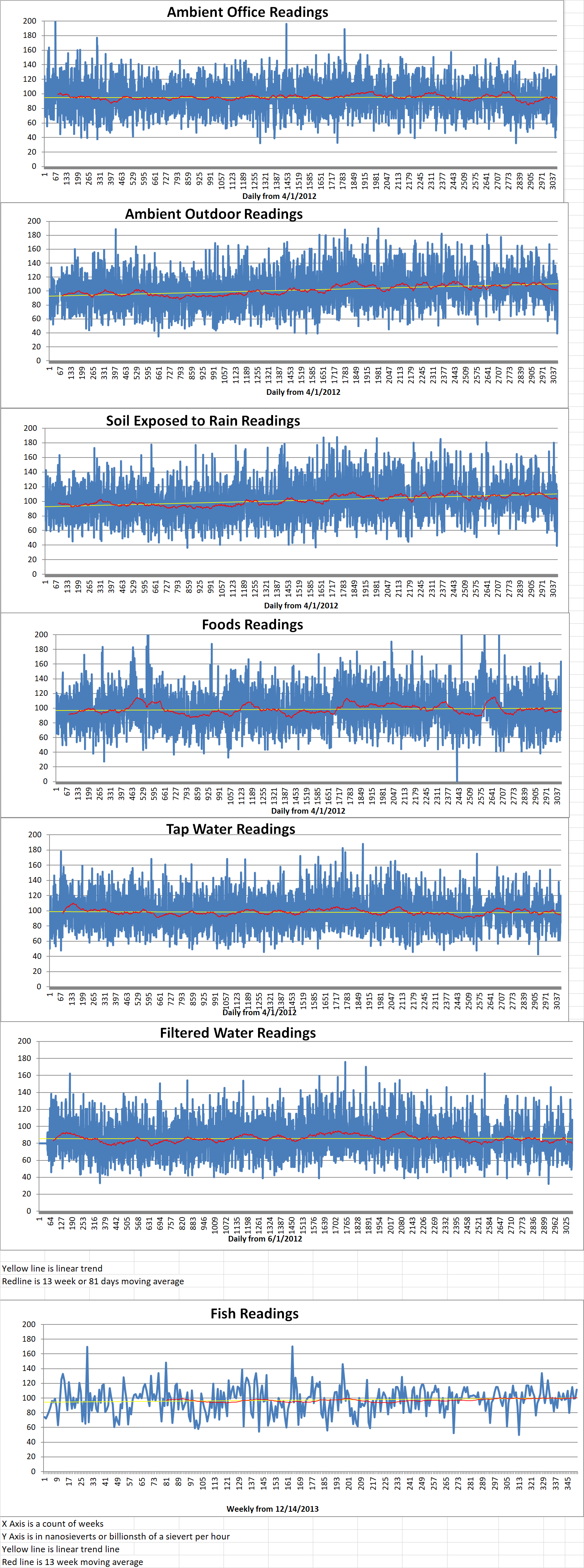
Geiger Readings for Nov 17, 2020
Ambient office = 130 nanosieverts per hour
Ambient outside = 73 nanosieverts per hour
Soil exposed to rain water = 72 nanosieverts per hour
Heirloom tomato from Central Market = 97 nanosieverts per hour
Tap water = 120 nanosieverts per hour
Filtered water = 105 nanosieverts per hour
-

Nuclear Weapons 737 – The Treaty on the Prohibition of Nuclear Weapons Goes Into Force In January of 2021 – Part 1 of 5 Parts
Part 1 of 5 Parts
At the end of January, the Treaty on the Prohibition of Nuclear weapons will take full legal effect after being ratified by fifty members of the U.N. Just as the Chemical Weapons Convention and the Biological Weapons Convention, it will be an international treaty banning weapons of mass destruction. It will follow the same process as the Mine Ban Treaty and Cluster Munitions Convention which brought together a coalition of civil society and diplomats for the purpose of banning and eliminating weapons based on their potential for humanitarian harm. This new treaty has broad international support. One hundred and twenty-two members of the U.N. voted for its adoption in 2017. These countries continue to express their support for the treaty in statements to the U.N General Assembly after the initial vote. Nuclear armed states and some of their allies have expressed their resistance to the ratification of the treaty.
Supporters of the treaty say that political scientists and nuclear policy experts connected to nuclear armed states have repeatedly made mistakes in their analysis and interpretation of the treaty and the international laws that apply to it. In 2019, about eight hundred nuclear policy experts met in Washington, D.C. and mistakenly predicted that the treaty would not enter into force before March 2021. A French analyst actually misquoted the text of the treaty in a publication about the conference. This mistake was not identified by any of the reviewers and had to be corrected after publication of the article.
The International Campaign to Abolish Nuclear Weapons (ICABW) won the 2017 Nobel Peace Prize for its work on negotiating the new treaty. International lawyers, academics, technical experts, diplomats, survivors of nuclear weapon use and testing, and advocates with regional expertise were among those who worked on the treaty. Some academics and nuclear policy experts who are not as familiar with the treaty as those who actually drafted and passed it often make one or more of five major mistakes when they analyze this treaty and the applicable international law. Here is a discussion of these five common errors with respect to the treaty.
The first common mistake is the idea that this treaty is just symbolic. However, there is a clear legal impact associated the treaty. When it enters into force in January, all the signatories will have to comply with the treaty’s prohibitions and implement its obligations. Some of the articles in the treaty reinforce existing obligations of other treaties. In addition, signatories will assume new legal obligations. Some critics of the treaty have mistakenly suggested otherwise. Even if no new countries join the treaty, the treaty is certainly not symbolic from a legal perspective.
The treaty prohibits its members from developing, testing, producing, manufacturing, transferring, possessing, stockpiling, using (or threatening to use) nuclear weapons, or allowing nuclear weapons to be stationed on their territory. In addition, it also prohibits members from assisting, encouraging, or inducing states to engage in any of these prohibited activities. Some of the prohibitions in the new treaty are already part of nuclear weapons-free zone treaties but not all the members of the new treaty are a party to one of these existing treaties. While there is a Comprehensive Nuclear-Test-Ban Treaty, it has not yet entered into force. Therefore, the new treaty will be the only international treaty in force that bans nuclear testing.
Please read Part 2 -
Nuclear News Roundup Nov 16, 2020
Timeline set for nuclear waste cleanup in Armstrong County post-gazette.com
Company Aims to Make Nuclear Reactors Pocket-Sized interestingengineering.com
U.S. Nuclear Power Industry Group Sees Reprocessing as Potential Waste Fix usnews.com
Nuclear Plant Smokestack to Be Demolished Wednesday capeandislands.org
-
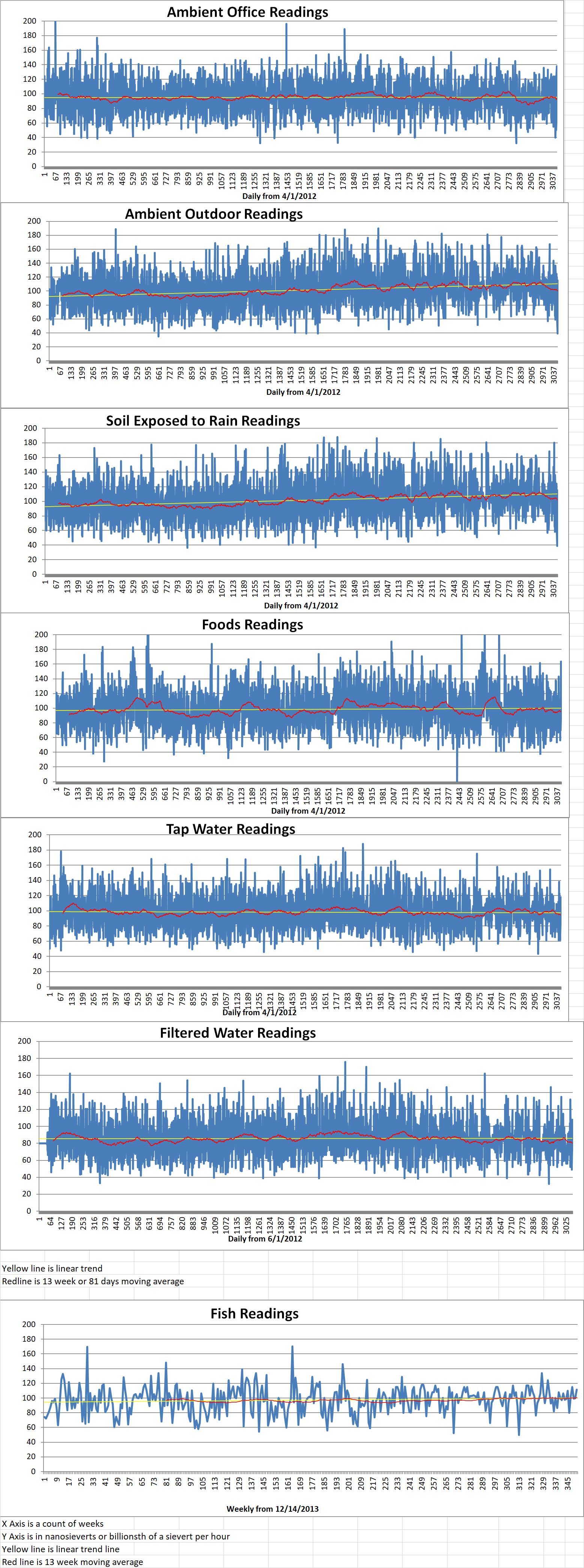
Geiger Readings for Nov 16, 2020
Ambient office = 130 nanosieverts per hour
Ambient outside = 115 nanosieverts per hour
Soil exposed to rain water = 115 nanosieverts per hour
Green bell pepper from Central Market = 103 nanosieverts per hour
Tap water = 118 nanosieverts per hour
Filtered water = 108 nanosieverts per hour
-
Nuclear News Roundup Nov 15, 2020