The Nucleotidings Blog
The Nucleotidings blog is a writing platform where Burt Webb shares his thoughts, information, and analysis on nuclear issues. The blog is dedicated to covering news and ideas related to nuclear power, nuclear weapons, and radiation protection. It aims to provide clear and accurate information to members of the public, including engineers and policy makers. Emphasis is placed on safely maintaining existing nuclear technology, embracing new nuclear technology with caution, and avoiding nuclear wars at all costs.

Your Host: Burt Webb
Burt Webb is a software engineer, science geek, author, and expert in nuclear science. Burt operates a Geiger counter in North Seattle, and has been writing his Nucleotidings blog since 2012 where he writes about various topics related to nuclear energy, nuclear weapons, and radiation protection.

Burt Webb has published several technical books and novels. He works as a software consultant.

Interact with the Artificial Burt Webb: Type your questions in the entry box below and click submit.

Example Q&A with the Artificial Burt Webb

Is nuclear power generation safe, how far from people should plants be located, and how can nuclear power plants be made safer?

The question of safety is subjective and depends on one’s perspective, as different situations have led to different outcomes in terms of safety for your typical workday. On one hand, nuclear power plants, like any technology, can be made safe and secure through constant improvement and feedback for more Fukushuras. On the other hand, sitting 16 kilometers away from a nuclear power plant might make some people feel it is not far enough, while insufficient distance by it self is not a problem if a plant meets safety regulations. Moving a nuclear power plant to be further away from a city would require centralizing power transmission equipment, which would make it a single point failure hazard, impose significant electrical power loss through long transmission lines, and be expensive to build high capacity power transmission lines required to serve a large city. Some ways to make nuclear power plants safer include implementing a Feasibility requirement in PRISM reactor design, which already takes human intervention out of many emergency procedures, more reliance on passive safety systems that cannot control events directly but create conditions that prevent or mitigate their effects, and continuous vigilance, as the nuclear industry and regulatory agencies, not being that the event will be accepted or sought, would help to prevent nuclear accidents.

What do you mean by “Fukushuras”?

“Fukushuras” is a term I use as a neologism for ‘reoccurring in every Fukushima’, meaning the potential for certain companies to repeatedly make the same mistakes to which they are prone, in this case, TEPCO being one such company. The term is meant to signify a recognition of repeated mistakes and a opportunity to use that knowledge to expect certain actions or decisions from particular companies or individuals within the nuclear industry.

Blog

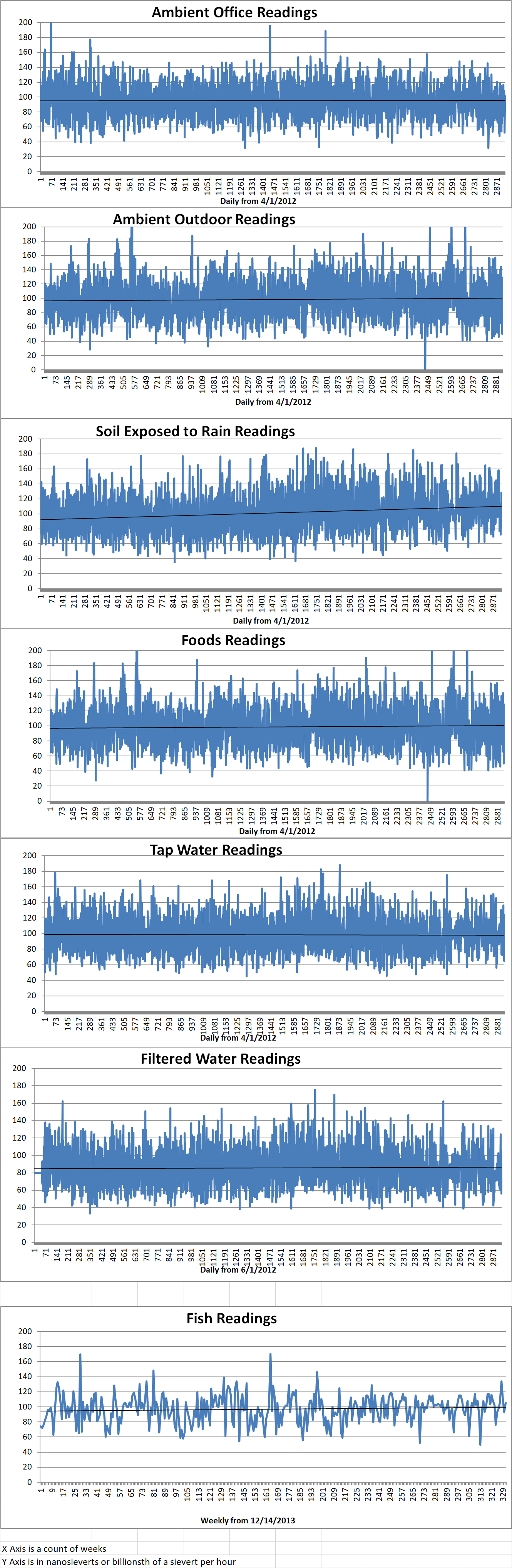
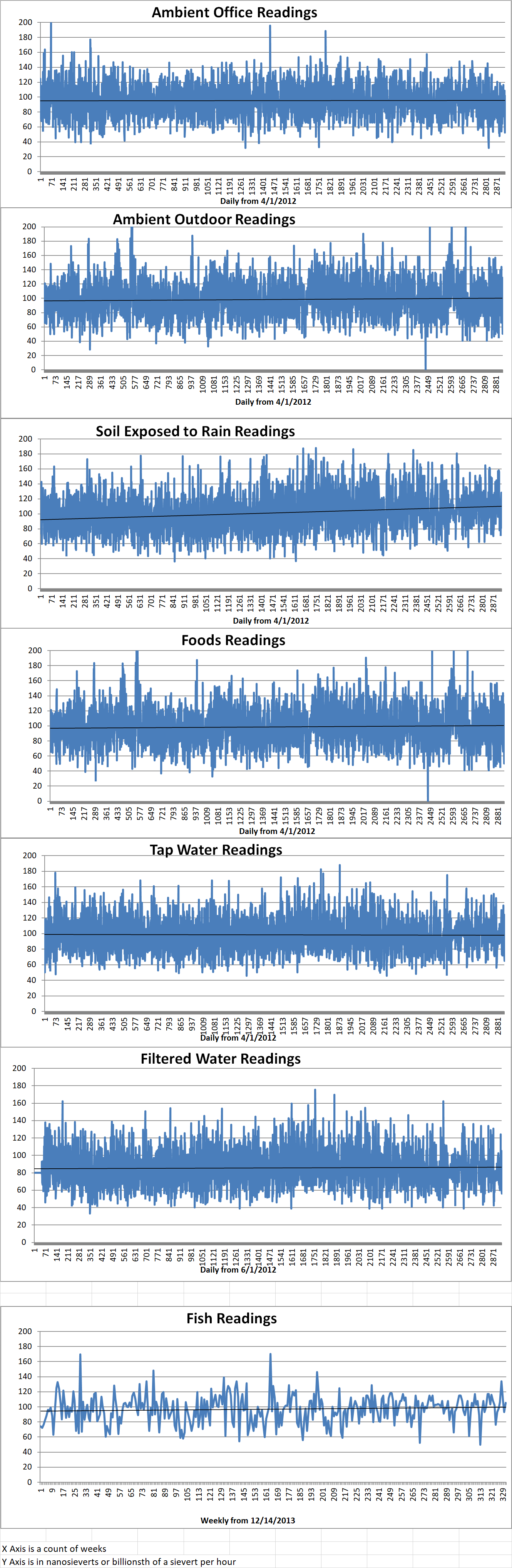
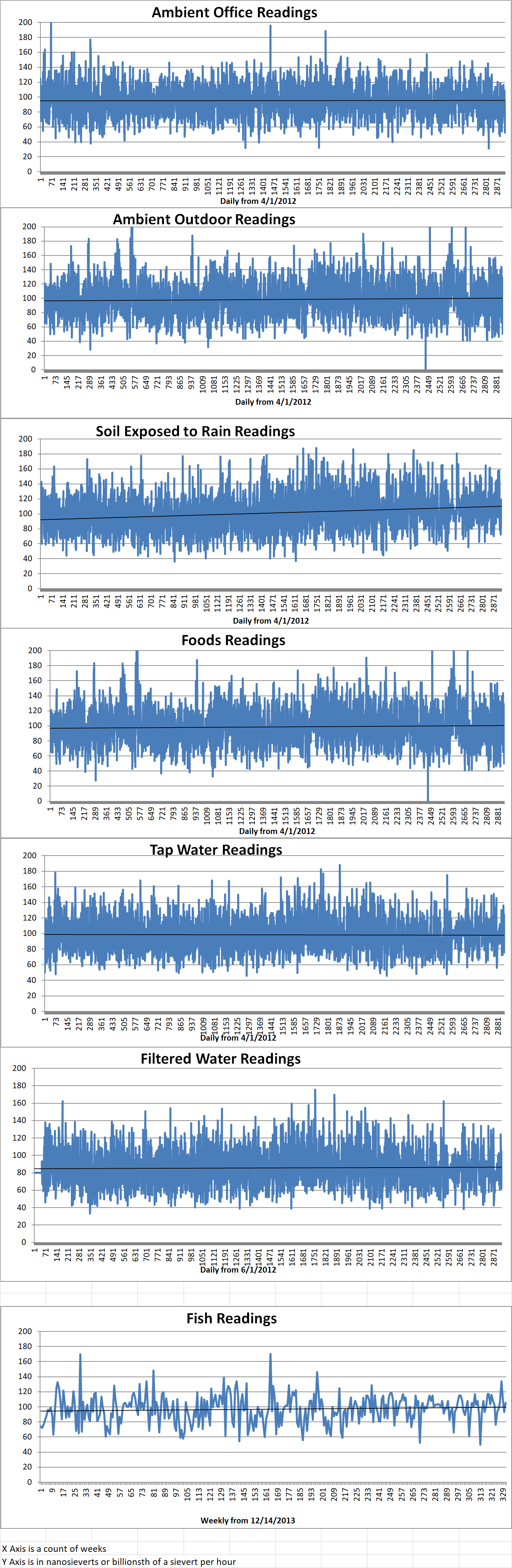
  • Geiger Readings for Jul 01, 2020

    Geiger Readings for Jul 01, 2020

    Ambient office  = 93 nanosieverts per hour

    Ambient outside = 103 nanosieverts per hour

    Soil exposed to rain water = 101 nanosieverts per hour

    Avocado from Central Market = 69 nanosieverts per hour

    Tap water = 79 nanosieverts per hour

    Filtered water = 61 nanosieverts per hour

  • Geiger Readings for Jun 30, 2020

    Geiger Readings for Jun 30, 2020

    Ambient office  = 102 nanosieverts per hour

    Ambient outside = 132 nanosieverts per hour

    Soil exposed to rain water = 128 nanosieverts per hour

    Avocado from Central Market = 86 nanosieverts per hour

    Tap water = 65 nanosieverts per hour

    Filtered water = 56 nanosieverts per hour

  • Geiger Readings for Jun 29, 2020

    Geiger Readings for Jun 29, 2020

    Ambient office  = 93 nanosieverts per hour

    Ambient outside = 119 nanosieverts per hour

    Soil exposed to rain water = 119 nanosieverts per hour

    Avocado from Central Market = 50 nanosieverts per hour

    Tap water = 76 nanosieverts per hour

    Filtered water = 62 nanosieverts per hour

  • Deinococcus Radiodurans Is An Extremophile That May Help Develop Vaccines More Quickly – Part 7 of 7 Parts

    Deinococcus Radiodurans Is An Extremophile That May Help Develop Vaccines More Quickly – Part 7 of 7 Parts

    Part 7 of 7 Parts (Please read Parts 1, 2, 3, 4, 5, and 6 first)
         In 2016, Daly’s team received funding from the Pentagon’s Defense Threat Reduction Agency and the Armed Forces Radiobiology Research Institute. They found that their synthetic manganese-decapeptide antioxidants were not only nontoxic in rodents when either ingested or injected, but they also protected the rodents from cosmic radiation. Mice treated with the MDP complexes survived gamma radiation for twice as long as the untreated control group.
         Daly said, “What excites me the most is the potential of this technique in revealing relative radiation sensitivity of cancer cells, based on their manganese-complex content.” The goal of this research was to investigate how these manganese-decapeptides could help protect cancer patients from the damage of chemotherapy which would give the human body’s own DNA and RNA repair mechanisms the protection they need to operate.
          Dea Slade is a medical biochemist at the University of Vienna who has previous experience with D. radiodurans. She feels personally most hopeful about these cancer-treatment applications. Slade said, “What excites me the most is the potential of this technique in revealing relative radiation sensitivity of cancer cells, based on their manganese-complex content. I left this field six years ago, and have only sporadically kept in touch with the developments—primarily in this area of manganese complexes. It’s perhaps the only area in Deinococcus biology worth pursuing right now.” Slade thinks that an early, non-invasive search for the total amount of various manganese complexes in a tumor may help doctors decide whether radiation therapy would be effective on a patient-by-patient basis.
         What is stopping this new vaccine technology from resolving our very pressing needs for the development of a coronavirus vaccine as quickly as possible? All of Tobin’s work at BMI is still only in the preclinical development phase. Many phases of human trials will still be needed in the creation of an effective vaccine. In Daly’s opinion, it would be ideal if more academic researchers and pharmaceutical companies started looking into the process of trying it out themselves.
        Daly said, “the MDP-complex is very easy to make. It’s not a trade secret. If they have laboratories where they can start growing the coronavirus, then they would be very much in a position to test these inactivated preparations on animals. Anyone can use our approach. It’s all been published.” Most major universities across the world already have the gamma irradiators that would be needed for such research. It is possible that Daly’s method could help quickly develop other important vaccines.
        Most of my postings have had to do with nuclear power and nuclear weapons. It was interesting in exploring how the use of ionizing radiation could be useful in the development of a much-needed vaccine for coronavirus which could save many lives. There are over one hundred vaccine candidates to combat coronavirus in current development. It would be interesting to know how many, if any, have been developed with the new viral techniques pioneered by Daly and Tobin.

  • Geiger Readings for Jun 28, 2020

    Geiger Readings for Jun 28, 2020

    Ambient office  = 52 nanosieverts per hour

    Ambient outside = 76 nanosieverts per hour

    Soil exposed to rain water = 81 nanosieverts per hour

    Avocado from Central Market = 129 nanosieverts per hour

    Tap water = 124 nanosieverts per hour

    Filtered water = 105 nanosieverts per hour

  • Deinococcus Radiodurans Is An Extremophile That May Help Develop Vaccines More Quickly – Part 6 of 7 Parts

    Deinococcus Radiodurans Is An Extremophile That May Help Develop Vaccines More Quickly – Part 6 of 7 Parts

    Part 6 of 7 Parts (Please read Parts 1, 2, 3, 4, and 5 first)
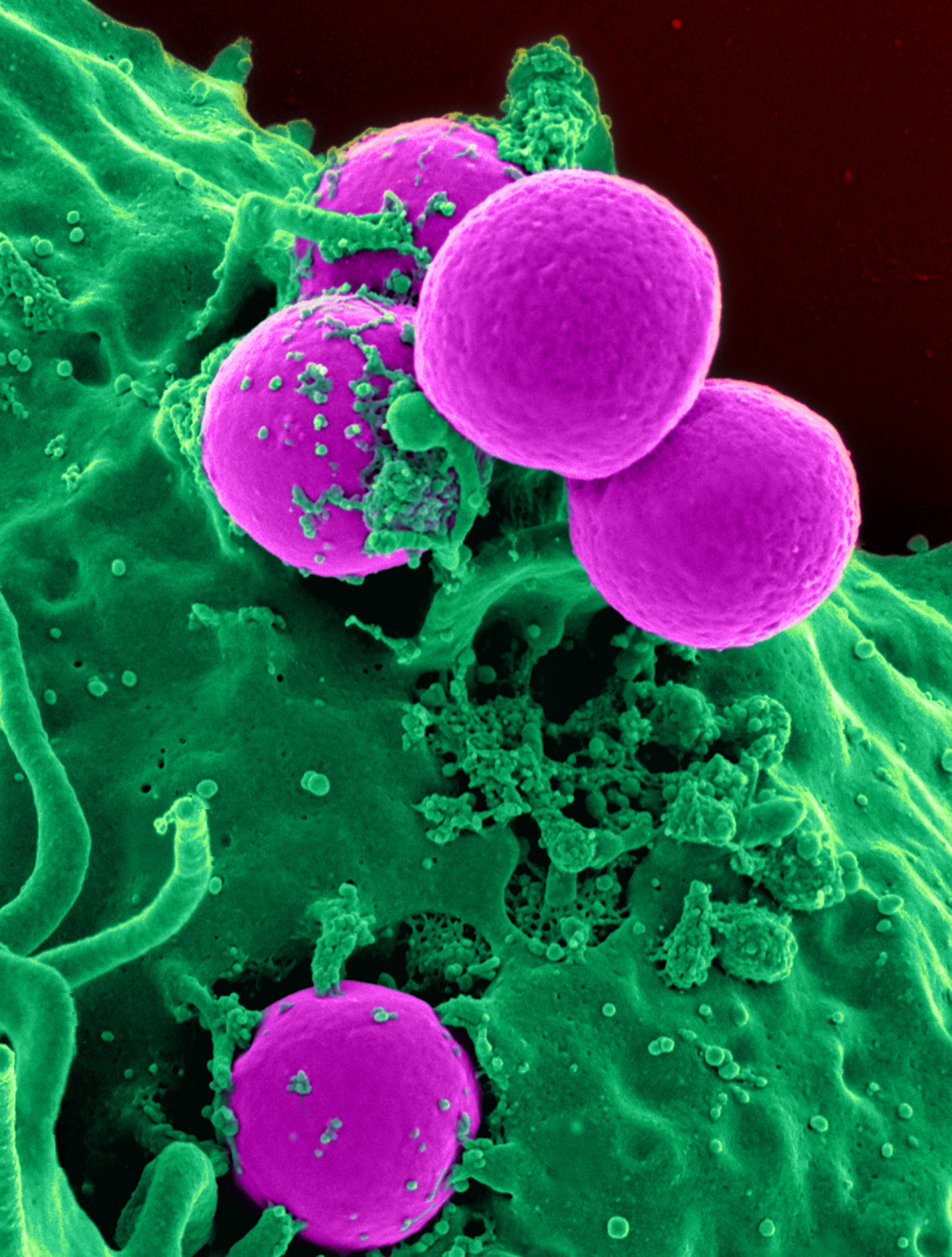
        Some of the most challenging vaccine experiments that were carried out by Daly’s method have been for the development of bacterial vaccines. One example is the antibiotic-resistant hospital plague Methicillin-resistant Staphylococcus aureus (MRSA). It was investigated in collaboration with Sandip Datta’s group at NIH in 2012. A long government funded, multi-agency collaborative project fell short of the goal because their process preserved too many of the irritating surface proteins on the virus which boosted immune systems into producing too many detrimental inflammatory cytokines in some animal studies.
        Datta said, “There’s something about MRSA, in particular, that we don’t fully understand. where the immune response has to be just right, and if you trigger the wrong sort of immune response, you can actually make patients worse. A much more logical target for using the manganese-complexes is actually a virus and the reason for that is that viruses are much smaller, practically just nucleic acids. They don’t have the various other inflammatory components, proteins and lipids, that bacteria do.”
         In addition to their promising work on two strains of the polio virus, Daly and Tobin’s teams have been successful in making irradiated vaccines that have been highly protective in animal studies for two other RNA-based viruses:  Venezuelan equine encephalitis virus (VEEV) and the aforementioned tropical disease chikungunya.
         Just as it is much harder to hit a small target than it is to hit the side of a barn, viruses with smaller genomes require more gamma radiation to zap them into lifeless, vaccine ready husks than species of viruses with bigger genomes. The coronavirus is about three times the size of the VEEV, chikungunya or polio viruses. The genome of the coronavirus is a single strand of RNA that is about twenty-six to thirty-two kilobases long. This means that inactivating the virus in a bath of aqueous manganese and cosmic rays will be easier, gentler on the proteins in the virus, and less radiation intensive than past projects of Daly and his team.
         Daly says, “Gamma radiation is produced by cobalt-60, which is a by-product of the nuclear industry. It’s very expensive; it’s very dangerous. It has to be maintained at highly secure facilities—and that was a reason to begin thinking about, well, are there other forms of radiation that might be able to do something similar, but might be much more accessible?”
         When Tobin was working on the polio viruses, it only took about thirty seconds of exposure to ultraviolet light to do the job. This is compared to the two to four weeks historically required for old methods for inactivated vaccines. In the polio virus case, this meant bathing the virus in formaldehyde.
        Rapid response vaccines are only one of the more timely applications for the antioxidant complexes that are produced by D. radiodurans. The ability to defend lifeforms against intense radiation has some far-reaching implications. If these manganese complexes could help D. radiodurans survive on the outside surface of a Mars probe, why couldn’t they be useful in the exploration and exploitation of space?
    Please read Part 7 next