Blog
-
Geiger Readings for Mar 08, 2017
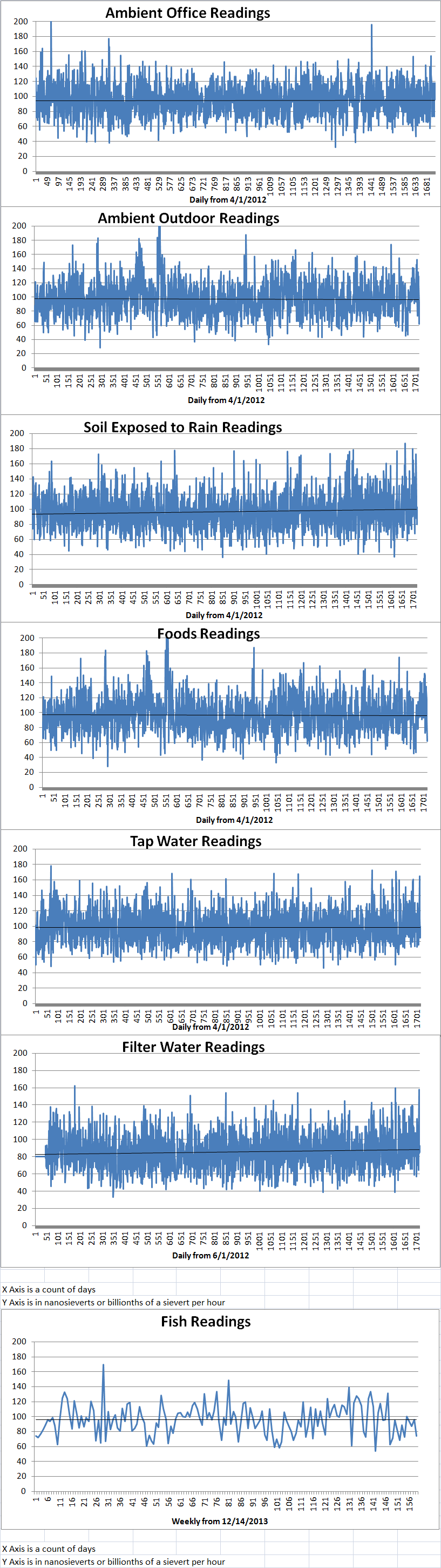
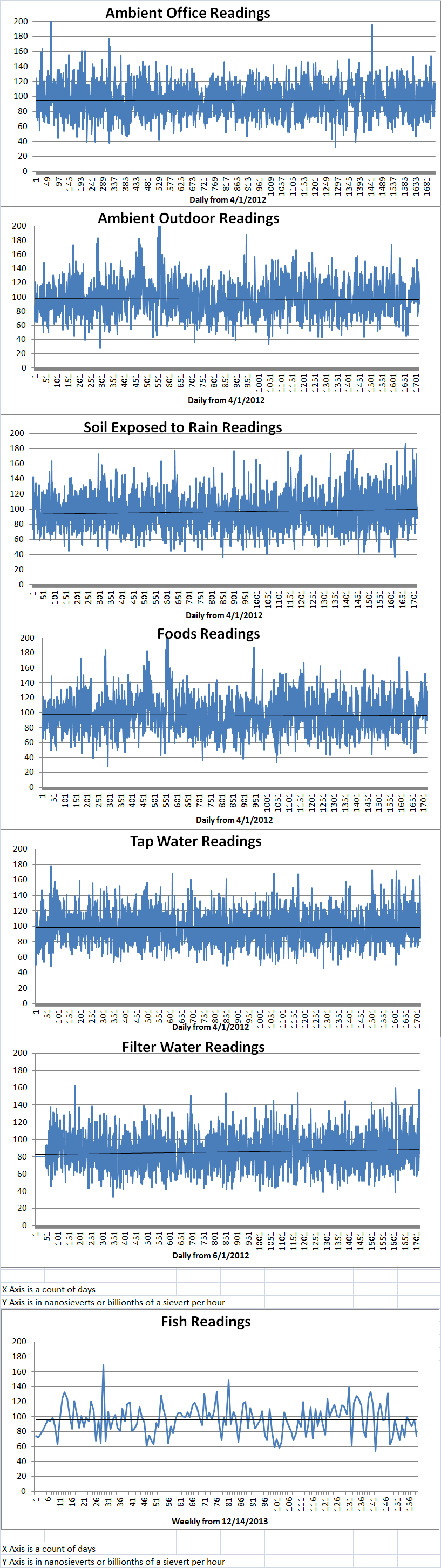
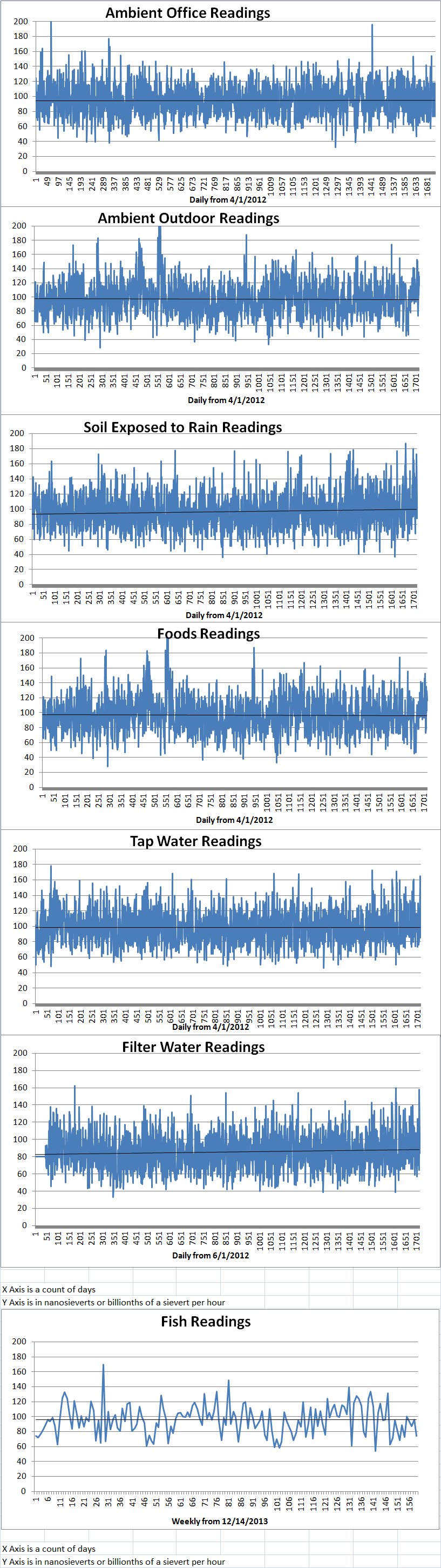
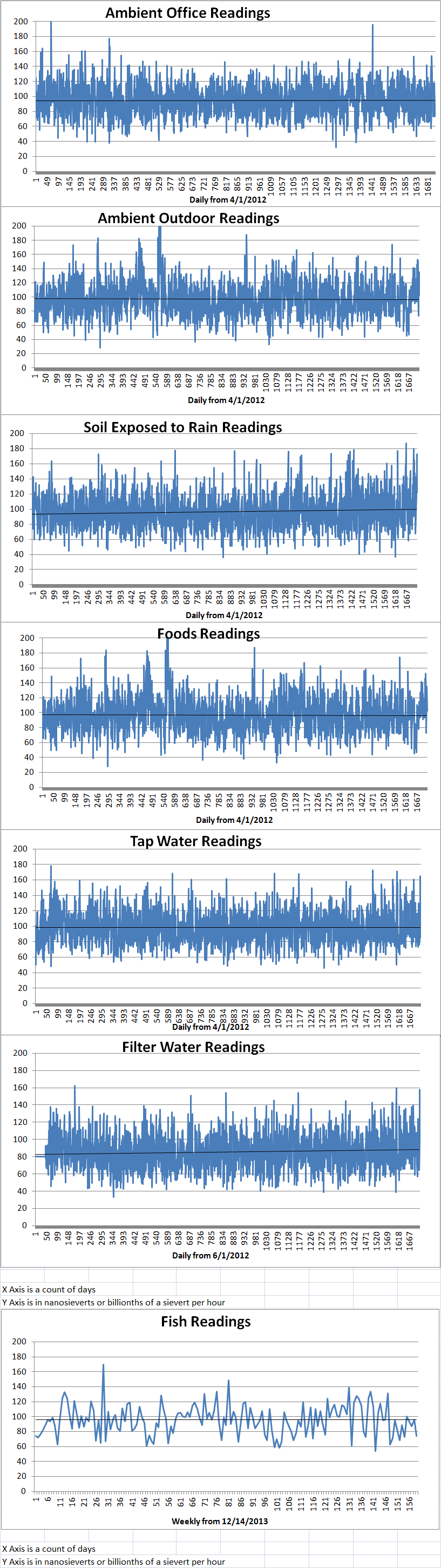
Ambient office = 116 nanosieverts per hourAmbient outside = 76 nanosieverts per hourSoil exposed to rain water = 80 nanosieverts per hourAvocado from Central Market = 62 nanosieverts per hourTap water = 93 nanosieverts per hourFilter water = 85 nanosieverts per hour -
Nuclear Reactors 263 – Russia Considers Sites For Storage Of Nuclear Waste
I have often blogged about problems with disposing of nuclear waste in the United States. I have also occasionally blogged about problems that other countries have with nuclear waste. The only other country that has problems similar to the U.S. is Russia. Russia has thirty-five nuclear power reactors currently operating and is constructing a dozen more. In addition to disposing of spent nuclear fuel, Russia was also the site of major manufacturing of nuclear weapons during the Cold War and it has a great deal of nuclear pollution left over from that work. Russia does not have the technology to reprocess or recycle significant amounts of nuclear waste.
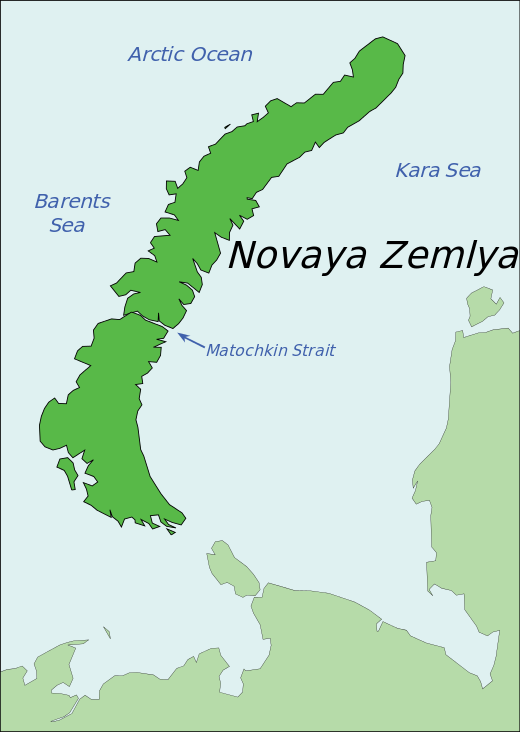
Novaya Zemlya is a group of islands in the Arctic Ocean between the Barents Sea and the Kara Sea in Northern Russia. The U.S.S.R. tested nuclear bombs on the islands between 1955 and 1990. During its use as a nuclear test site, there were two hundred and twenty-four detonations. Novaya Zemlya was used as a site to bury some liquid and solid radioactive wastes until 1992 and the islands are already contaminated from the fallout of all the bombs tested there so burying more waste would not threaten the environment.
Now an official with the Russia Arctic nature reserve has renewed suggestions that the islands be used for the storage of nuclear waste. Novaya Zemlya could be a place where large amounts of waste could be stored while Russia develops the technology needed to reprocess or recycle. Using Novaya Zemlya for nuclear waste storage has been suggested in the past but the cost and difficulty of transporting all that waste to Novaya Zemlya were considered prohibitive.
Last year, the regional government for Novaya Zemlya approved a plan to start digging a new repository on the islands for low and intermediate level nuclear waste but concerns about global warming are raising questions about the wisdom of such a project. Novaya Zemlya is covered in permafrost which was supposed to trap radioactive materials but now winter temperatures are rising above freezing which threatens to melt the permafrost.
Rosatom, the big Russian-owned nuclear company, is now looking at some other possible sites for storage of nuclear waste. One possible choice is Sosnovy Bor, which is the site of the Leningrad Nuclear Power Plant and is located near St. Petersburg. The soil conditions are good for such a repository and there is ample need but there is also a well organized anti-nuclear movement which is opposing both the construction of a new Leningrad Nuclear Power Plant as well as any plans for storing nuclear waste there.
Another possible new site for Russian nuclear waste is the Murmansk region. The Kola Nuclear Power Plant and Atomflot, the port for Russian nuclear icebreakers, are located in Murmansk. Murmansk appears to be the first choice for Rosatom but there is local opposition. Critics of the plan say that Murmansk does not really need a local repository for nuclear waste. There is less organized resistance to nuclear projects in Murmansk than Sosnovy Bor, but the geology is not as good for digging a repository. The ground is mostly rock and any digging would have to include extensive blasting.
Although the need for a new repository for nuclear waste is great, there are enough problems with the three sites that are being considered that it may take years to actually begin construction of a repository.
-
Nuclear News Roundup Mar 07, 2017
The seventh Nuclear Power Asia conference being held in Kuala Lumpur on Tuesday and Wednesday is bringing together the leaders of the Asian nuclear-power industry. nationamultimedia.com
The United Kingdom Civil Nuclear Constabulary declined to answer an FOI request asking for details of fearsome mutant beasts ‘such as Godzilla’. mirror.co.uk
-
Geiger Readings for Mar 07, 2017
Ambient office = 96 nanosieverts per hourAmbient outside = 91 nanosieverts per hourSoil exposed to rain water = 102 nanosieverts per hourRoma tomato from Central Market = 90 nanosieverts per hourTap water = 100 nanosieverts per hourFilter water = 93 nanosieverts per hour -
Nuclear Weapons 256 – Taiwan Once Worked On Develolping Its Own Nuclear Weapons
I have blogged recently about Chinese nuclear weapons and Chinese nuclear policy. One problem that China does not have to deal with is the threat of a Taiwanese nuclear bomb but that was not always true.
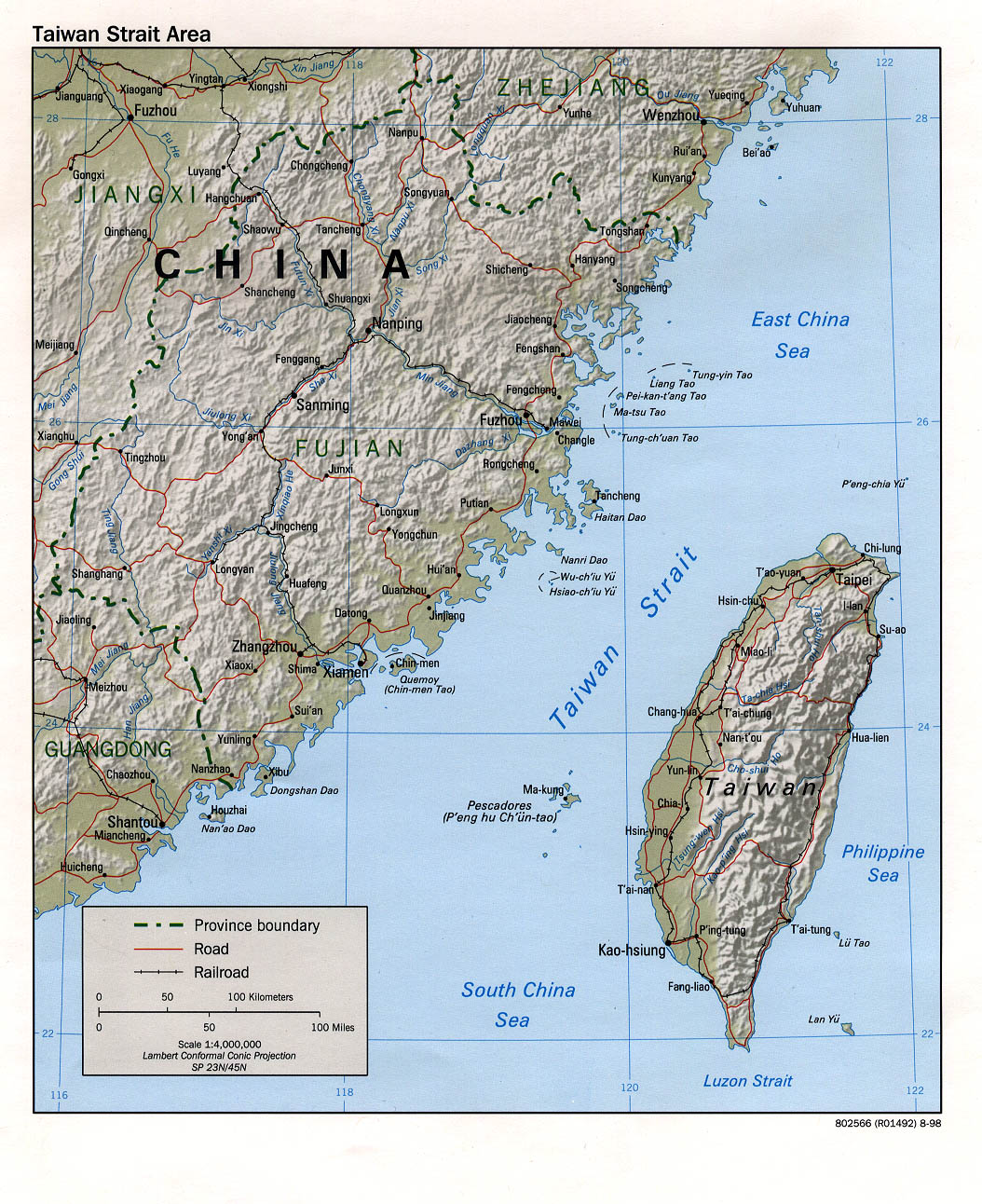
Following the successful Chinese Communist Revolution which ended in 1949, the losing side fled to the island of Taiwan and declared themselves to be the “real” Chinese government. Since that time, the Communist Chinese on the mainland and the Chinese on the island of Taiwan have been hostile to each other with occasional confrontations between them The U.S. recognized the Taiwan government as the legitimate government of China and provided military support against mainland Chinese aggression in the decades after World War II. The Peoples’ Republic of China on the mainland basically forced the rest of the world through diplomatic means to recognize them as the nation of China.
When China tested its first nuclear bomb in 1964, Taiwan felt pressured to respond. Taiwan feared Chinese nuclear weapons and began development of nuclear weapons a few years after the first Chinese bomb test. There were occasional skirmishes between the air forces of both nations and, with a Chinese nuclear bomb, an escalation of all-out war between China and Taiwan would result in the devastation of Taiwan. Fearing a loss of U.S. protection, Taiwan realized that if it had nuclear weapons, China would be much less inclined to invade them.
Taiwan began developing its own nuclear weapons officially in 1967 using nuclear research as a cover. They bought a big heavy water nuclear reactor from Canada in 1969. The U.S. was concerned about a Taiwanese bomb and tried to prevent plutonium production by demanding that any Taiwanese reactor abide by the rules set by the International Atomic Energy Agency guidelines to prevent plutonium production.
The Taiwanese reactor began operating in 1973 with technical assistance from United States, Germany, France, Norway, and Israel. The U.S. supplied the heavy water for the reactor and South Africa supplied the uranium. Taiwan began work on generating sufficient plutonium for their weapons program in spite of promises made to abide by the IAEA rules.
In 1975, the U.S. CIA announced that the Taiwanese were indeed working on nuclear weapons and that they would be able to build their first nuclear bomb by 1980. In 1976, the IAEA inspected the Taiwanese nuclear facilities and discovered evidence that Taiwanese did have a nuclear weapons program. The U.S. immediately lodged a protest and Taiwan promised to refrain from any work on reprocessing waste from the reactor to extract plutonium. Over the next few years, the U.S. detected weapons related activity on multiple occasions and lodged new protests that ultimately forced Taiwan to stop its nuclear weapons work.
The U.S. formally recognized the Peoples Republic of China as the only legitimate government of the Chinese people in 1979. However, the U.S. has continued to be a friend to Taiwan and to counter-balance Chinese military threats against Taiwan since then.
After abiding by their promises with respect to nuclear weapons development, the Taiwanese began working on nuclear weapons again in the mid-1980s. A high-level Taiwanese defector came to the U.S. in December of 1987 with documented proof of the Taiwanese nuclear weapons program. The U.S. confronted the Taiwanese government and Taiwan finally gave up its nuclear weapons program in 1988. Analysts estimated that Taiwan could have constructed their first nuclear bomb within one or two years. Since that time, the U.S. has protected Taiwan against nuclear attack with the promise to retaliated against any attacker with its own nuclear weapons.
Taiwan was acting in what it believed to be its self-interest in developing a nuclear program to counter the nuclear weapons program of China. However, any nuclear exchange between Taiwan and China would have resulted in the complete obliteration of Taiwan. It the end, the current arrangement is far better than Taiwan having its own nuclear weapons.

-
Geiger Readings for Mar 06, 2017
Ambient office = 118 nanosieverts per hourAmbient outside = 93 nanosieverts per hourSoil exposed to rain water = 88 nanosieverts per hourCrimini mushroom from Central Market = 116 nanosieverts per hourTap water = 85 nanosieverts per hourFilter water = 84 nanosieverts per hour -
Geiger Readings for Mar 05, 2017
Ambient office = 116 nanosieverts per hourAmbient outside = 97 nanosieverts per hourSoil exposed to rain water = 97 nanosieverts per hourRomaine lettuce from Central Market = 111 nanosieverts per hourTap water = 109 nanosieverts per hourFilter water = 102 nanosieverts per hour -
Nuclear News Roundup Mar 04, 2017
The U-Battery consortium, led by Urenco, has registered its micro-modular reactor technology for pre-licensing vendor design review with the Canadian Nuclear Safety Commission (CNSC). world-nuclear-news.org
Kepco seen as potential buyer for Toshiba’s ailing nuclear unit South Korean group, in contrast to rivals, is willing to look at Westinghouse deal. ft.com