
Blog
-
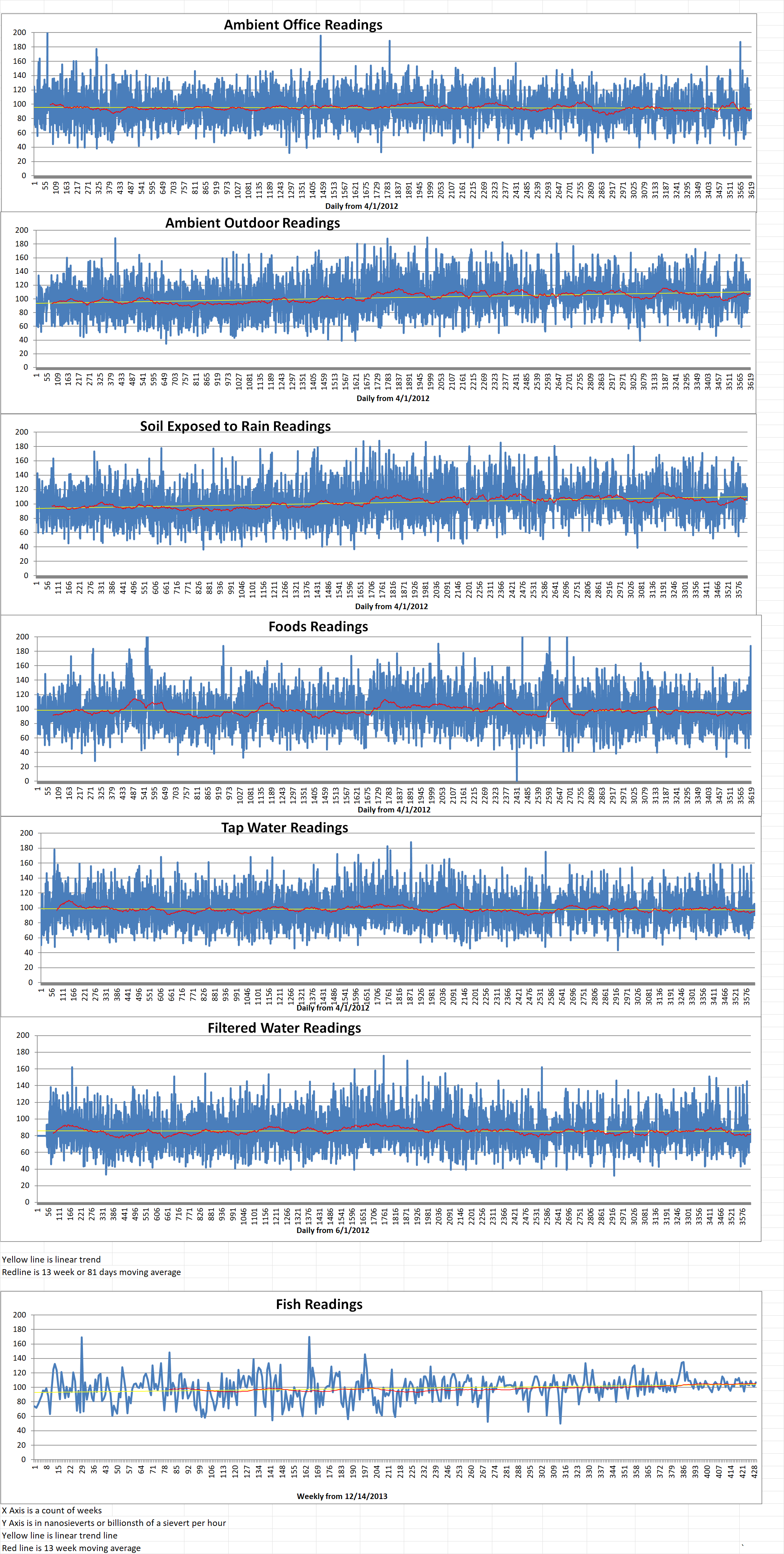
Geiger Readings for May 27, 2022
Ambient office = 93 nanosieverts per hour
Ambient outside = 108 nanosieverts per hour
Soil exposed to rain water = 105 nanosieverts per hour
Asperagus from Central Market = 91 nanosieverts per hour
Tap water = 91 nanosieverts per hour
Filter water = 81 nanosieverts per hour
-

Nuclear Reactors 1029 – University of Pittsburg Is Working On Small Modular Reactors – Part 1 of 2 Parts
Part 1 of 2 Parts
Dr. Sola Talabi is an adjunct assistant professor of nuclear engineering at the Swanson School of Engineering at the University of Pittsburgh. He is also a senior consultant at Pittsburgh Technical, an advisory firm that provides risk management services to the nuclear energy industry. Talabi is an expert in advanced small modular reactors which are mini-nuclear plants ranging in size from tens of megawatts to a maximum of three hundred megawatts.
SMRs generate electricity through nuclear fission. In the core of an SMR, neutrons collided with fuel atoms (usually uranium) and cause them to break apart. As the atoms fragment, they release more neutrons which split more atoms in a sustained chain reaction. They also release energy. The coolant heated by the nuclear fission then passes through a heat exchanger. This produces steam that drives an electrical turbine and produces usable energy.
Dr. Talabi claims that SMRs offer a viable, environmentally-friendly alternative to fossil fuels. They can help satisfy the world’s energy demands while slashing carbon emissions and air pollutants. He told an interviewer that he thinks nuclear power has the ability to solve [the world’s two biggest problems:] global energy poverty and global warming. Nuclear power can uniquely address those issues.
SMRs have not yet penetrated the civilian energy sector. However, they have been powering naval warships and submarines for almost seventy years. U.S. naval nuclear reactors have logged more than five thousand four hundred reactor years. They have propelled vessels more than one hundred and thirty million miles without a single radiological incident or radiation-related fatality. (This is not accurate, see IAEA report) Their sterling safety record allows the U.S. Navy to operate its reactors even in Japan. Japan has a strong anti-nuclear movement born by the nuclear attacks at Hiroshima and Nagasaki and exacerbated by the nuclear disaster at Fukushima.
Despite the success of the Navy SMRs, they have failed to catch on in the U.S. civilian energy sector. In fact, nuclear power provides only about twenty percent of the nation’s energy. All of this energy comes from aging large-scale reactors. Major nuclear disasters including Three Mile Island, Chernobyl, and Fukushima have eroded public support. Even if the nuclear industry could overcome the public relations issues, it still faces various financial and supply chain problems. Dr. Talabi insists that all these problems can be solved or minimized by just scaling down the reactor design.
Dr. Talabi claims that SMRs are far safer than current large scale power reactors. The worst-case scenarios for traditional nuclear power plants are a loss of coolant or loss for flow accidents in which a reactor loses its ability to remove the heat produced by the fuel. In such a case, the nuclear chain reaction spikes and causes the core to melt down. At Three Mile Island, a stuck open relief valve affected the reactor’s pressurization system. At Fukushima, when electrical power to the reactor’s coolant pumps failed, the nuclear fuel rods in the cooling pool overheated, burst into flame, and a meltdown occurred.
Considering SMRs, they take advantage of advanced designs to eliminate the possibility of such accidents. Circulation through the reactor core is accomplished by thermal convection (hot water rises and cold water sinks). A SMR reactor can remove heat generated by its fuel even if electrical power is lost. Next-generation SMR’s are also designed such that they don’t require a pressurizing system like the one that failed at Three Mile Island.
Please read Part 2 next -
Nuclear News Roundup May 26, 2022
Belgium government allocates funding for SMR research world-nuclear-news.org
It’s unclear whether the U.S. and Iran will return to the 2015 nuclear deal npr.org
Dairyland executive says nuclear power necessary to reach carbon reduction goals; Report highlights decline in rural startups wisbusiness.com
Putin may frame Ukraine to ‘justify own missile launch’ express.co.uk
-
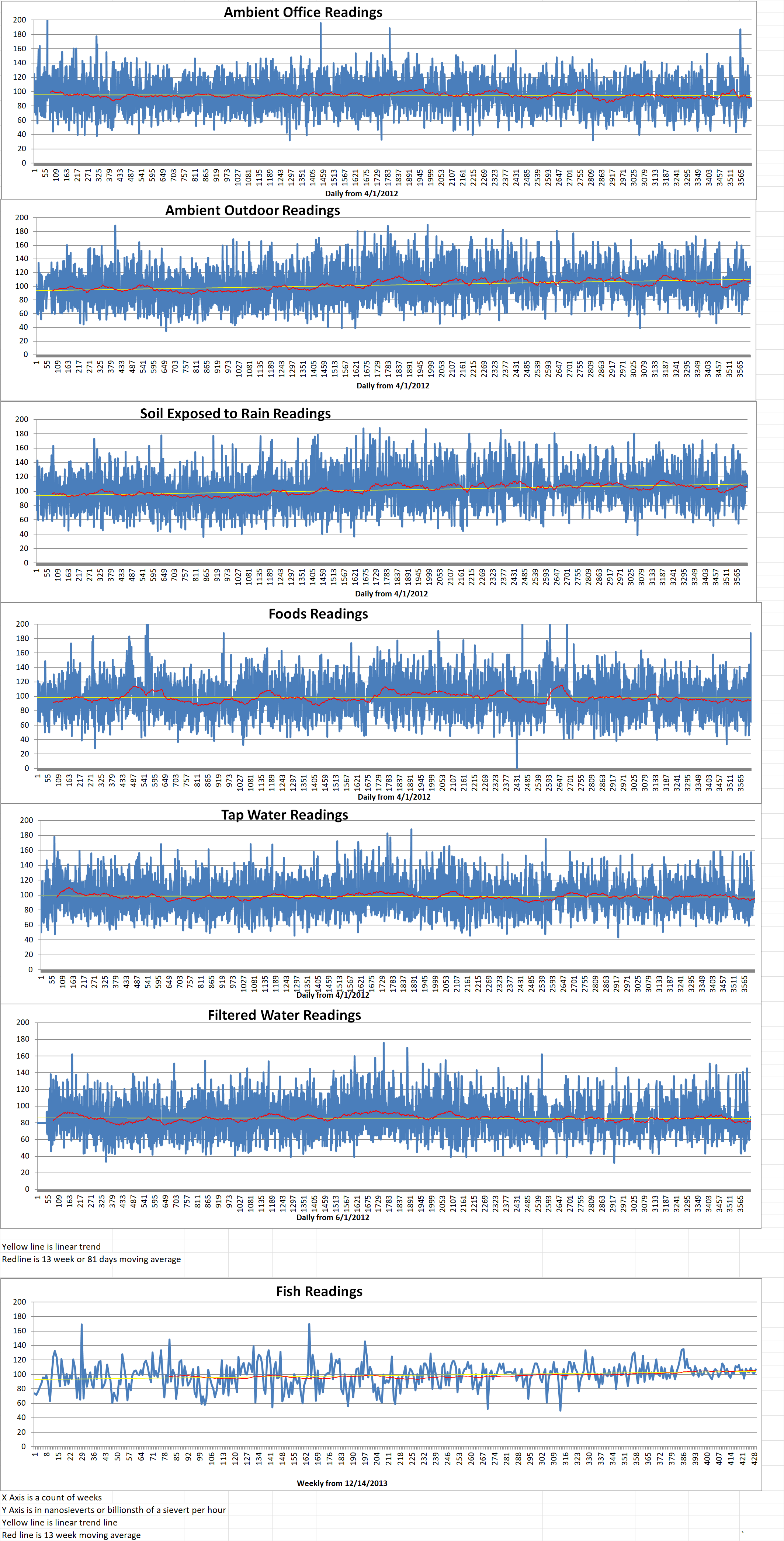
Geiger Readings for May 26, 2022
Ambient office = 87 nanosieverts per hour
Ambient outside = 106 nanosieverts per hour
Soil exposed to rain water = 65 nanosieverts per hour
Tomato from Central Market = 105 nanosieverts per hour
Tap water = 96 nanosieverts per hour
Filter water = 74 nanosieverts per hour
-

Nuclear Reactors 1028 – California Is Seeking Federal Funds To Keep Diablo Canyon Nuclear Power Plant In Operation Past Its Scheduled Shutdown
The Diablo Canyon nuclear power plant near San Luis Obispo, California is the last nuclear power plant operating in California. There is great public and political pressure to shut down the plant. Now the administration of Governor Gavin Newsom is making a plea to the U.S. Department of Energy (DoE) to alter the requirements for accessing federal funds in order to keep the aging, dangerous Diablo Canyon plant operating for years beyond when it is scheduled to be permanently shut down.
The state of California is asking the DoE to free up part of the six billion dollars in the Civil Nuclear Credit Program for Diablo Canyon to remain in operation past its currently scheduled closure in 2025. The Diablo Canyon plant is not eligible for the funds because the California energy market is fully regulated. The funds are only available for states which have deregulated energy markets.
Ana Matosantos is the Secretary of Energy for California. Monday, she sent a letter to Jennifer Granholm, the U.S. Secretary of Energy, requesting that the Biden administration alter the terms of the fund so that Diablo Canyon can qualify. The fund was originally intended to help keep U.S. nuclear power reactors operating in unregulated states.
Ken Cook is the President of the Environmental Working Group (WG) and a resident of California. He said,
“Moving the goal post to allow Diablo Canyon to continue running would set a dangerous precedent for other regulated states and utilities to keep aging, dilapidated nuclear plants operating. Clinging to nuclear energy as a source of electricity as renewables like solar and wind grow by the day is not a sound, safe, forward-looking energy policy. We urge Secretary Granholm and the Biden administration to reject this plea to allow California to skirt the requirements of the program.”
In a 2018 deal between Pacific Gas & Electric which owns the Diablo Canyon plant, labor unions, environmental groups and others, the utility agreed shut down the two reactors at Diablo Canyon between 2024 and 2025.
Here are some of the problems with keeping Diablo Canyon operating.
It will be expensive. Between 2011 and 2017, maintenance costs at Diablo Canyon increased by one hundred and ten million dollars. When the plant is operating, it is known to harm aquatic life because of the hot water that it discharges directly into the Pacific Ocean. Upgrading the cooling system to deal with these concerns would cost billions of dollars.
It will be unsafe. In 2014, the Nuclear Regulatory Commission inspector urged the NRC to force the plant to shut down because of earthquake hazards.
Reactor 1 at Diablo Canyon is considered to be one of the most embrittled reactors in the country. This means that if the plant were suddenly forced to shut down in an emergency, cold water would be sent to the reactor core which contains the highly radioactive nuclear fuel. This would cause the containment vessel to shatter, resulting in a catastrophic accident.
Newsom made his plea to the DoE just a few days after he released an updated budget that calls for about five billion dollars in proposed funding for California’s electricity grid. If the new budget is approved by the state legislator, the budget would add more fossil-fueled power, more pollution and higher costs for rate payers. -
Nuclear News Roundup May 25, 2022
North Korea has been testing nuclear detonation device ‘for weeks’: ROK official nknews.org
HEU from three Japanese sites transported to USA world-nuclear-news.org
Curio Announces Appointment of Melanie White as Director of Communications prnewswire.com
Sask. Research Council takes step in developing micro nuclear reactor leaderpost.com
-
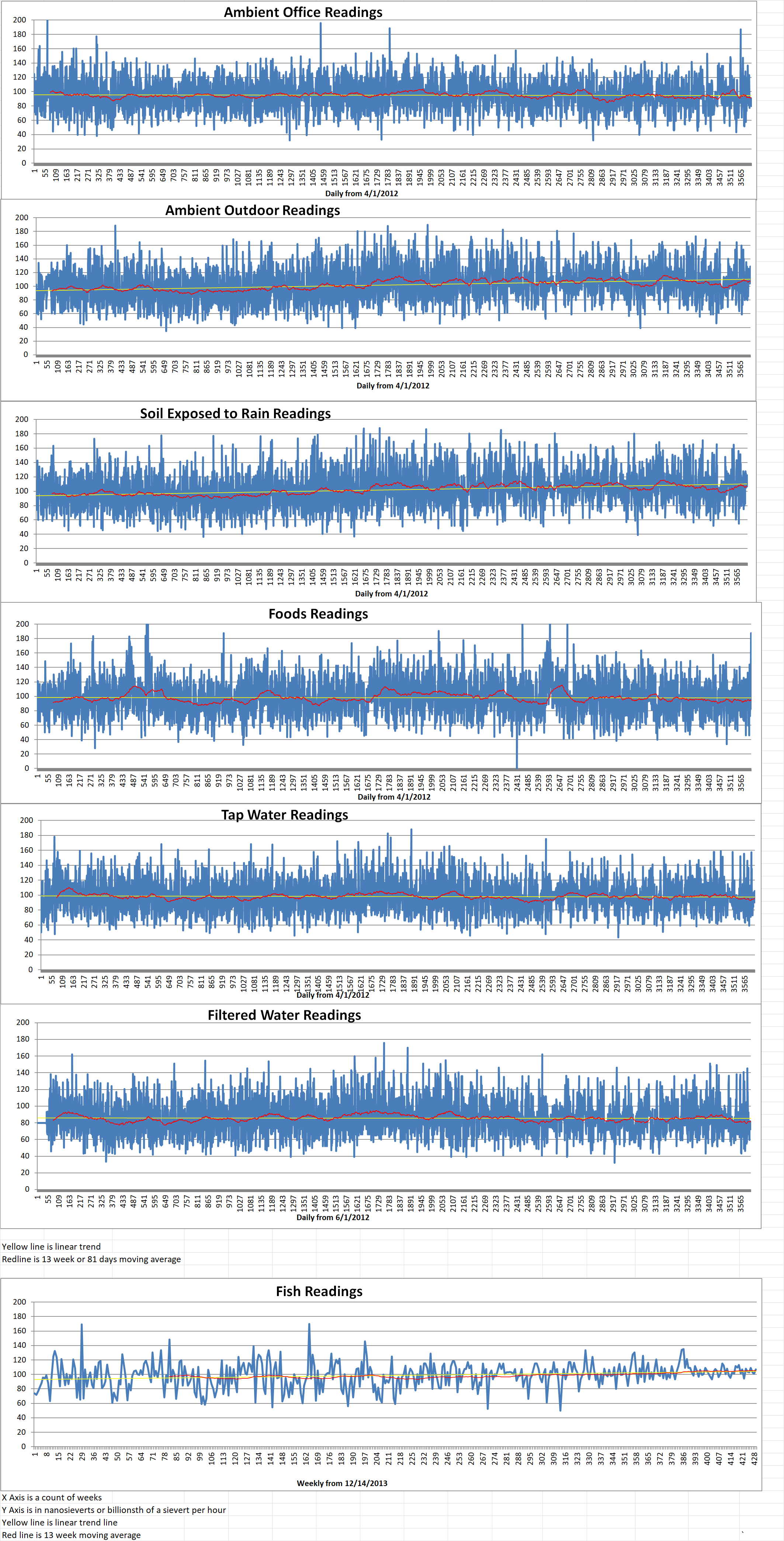
Geiger Readings for May 25, 2022
Ambient office = 80 nanosieverts per hour
Ambient outside = 129 nanosieverts per hour
Soil exposed to rain water = 122 nanosieverts per hour
Red bell pepper from Central Market = 83 nanosieverts per hour
Tap water = 106 nanosieverts per hour
Filter water = 88 nanosieverts per hour
-

Nuclear Fusion 179 – Japanese Team Discovers That Turbulence Moves Much Faster Than Heat In A Fusion Reactor
In order to construct a fusion power plant, it is necessary to generate a stable plasma at a temperature of more than two hundred million degrees Fahrenheit in a magnetic field and maintain it as long as necessary to generate excess energy. A research group led by Assistant Professor Naoki Kenmochi, Professor Katsumi Ida, and Associate Professor Tokihiko Tokuzawa of the National Institute for Fusion Science (NIFS), National Institutes of Natural Sciences (NINS), Japan, used measuring instruments developed independently and with the cooperation of Professor Daniel J. den Hartog of the University of Wisconsin, USA, in plasma experiments. They discovered for the first time that turbulence moves faster than heat when heat escapes in plasmas in the Large Helical Device (LHD). One characteristic of this plasma turbulence makes it possible to predict changes in plasma temperature. It is expected that observation of turbulence will lead to the development of a method for real-time control of plasma temperatures in the future.
When high-temperature plasma is confined by a magnetic field, “turbulence” is generated. This means that there is a flow with vortexes of various sizes. This turbulence causes the plasma to be disturbed. The heat from the confined plasma flows outward which results in a drop in plasma temperature. In order to solve this problem, it is necessary to understand the characteristics of heat and turbulence in plasma. However, the turbulence in plasmas is so complex that scientists have not yet achieved a full understanding of it. One important question is how the generated turbulence moves in the plasma. This is not well understood. It requires instruments that can measure the time evolution of minute turbulence with extremely high sensitivity and extremely high spaciotemporal resolution.
A “barrier” can form in the plasma. This acts to block the transport of heat from the center outward. The barrier causes a strong pressure gradient in the plasma and that generates turbulence. Assistant Professor Kenmochi and his research group have developed a method to break down this barrier by devising a magnetic field structure. It allows researchers to focus on the heat and turbulence that flows vigorously as the barrier breaks to study their relationship in detail. Using electromagnetic waves of various wavelengths, the researchers measured the changing temperature and heat flow of electrons and millimeter-sized fine turbulence with the highest levels of accuracy in the world. Previously, heat and turbulence had been known to both move at a speed of about three thousand miles per hour which is about the speed of a passenger aircraft. The new research led to the world’s first discovery of turbulence moving at speeds of twenty-five thousand miles per hour.
Assistant Professor Naoki Kenmochi said that “this research has dramatically advanced our understanding of turbulence in fusion plasmas. The new characteristic of turbulence, that it moves much faster than heat in a plasma, indicates that we may be able to predict plasma temperature changes by observing predictive turbulence. In the future, based on this, we expect to develop methods to control plasma temperatures in real-time.” -
Nuclear News Roundup May 24, 2022
Iran denies ‘compromise’ in nuclear deal negotiations aljazeera.com
U.S. moves toward supplying Romania with a new style of nuclear plant. Nytimes.com
President calls for Uzbek exploration program world-nuclear-news.org
International review ‘backs suitability of Czech sites’ world-nuclear-news.org